




Follow us on social media:



Runtime: 10:01
0:00 Lucid Denies Bankruptcy Rumors
1:05 Slate Pickup Officially Starts At $26,400
1:44 Walmart Surges in U.S. EV Charging Race
2:32 Volvo Considers Electric Sedan and Wagon for U.S.
4:18 EV Range Anxiety Plummets as Batteries Improve
5:19 Horse Powertrain Unveils Methanol EV Range Extender
6:01 BMW And Toyota Test Renewable Gasoline
6:50 Mahle Cools Data Centers with Automotive Tech
7:49 Volkswagen Launches New ID.Cross EV
Visit our sponsors to thank them for their support of Autoline Daily: AlixPartners, CSP and Intrepid Control Systems.




This is Autoline Daily, the show dedicated to enthusiasts of the global automotive industry.
LUCID DENIES BANKRUPTCY RUMORS
The situation at Lucid Motors is going from bad to worse. Its stock is down 58% this year, and down 98% since the company went public. At its peak during EV mania in November, 2021 the company was trading at $552 a share. Now it’s at $4.62. Yesterday, rumors broke that the company would file for bankruptcy after word got out that Lucid hired AlixPartners, which is known for its expertise in bankruptcies. But Alix, which is a sponsor of Autoline, is also known for its expertise in turning companies around. And Lucid says that’s why it hired Alix, to get back on its feet, not to file for bankruptcy. Even so, at its current burn rate, Lucid will run out of cash next year. And that’s why we think there could be some pretty drastic action.
SLATE PICKUP OFFICIALLY STARTS AT $26,400
Our $1,400 estimate for Slate’s destination charges was pretty much spot on. InsideEVs reports it’s $1,450. So, that means the official starting price for the bare-bone or what the company calls the Blank Slate pickup truck is $26,400. But with over 200 accessories already available, including a square- and fast-back SUV kit that cost $5,000 and $7,000, most customers will probably modify their vehicle in some way. And some of those customers are on track to take delivery before the end of this year.

WALMART SURGES IN U.S. EV CHARGING RACE
Tesla still dominates everyone else in the U.S. when it comes to EV charger deployment, but there’s another player moving up the charts fast and it just might surprise you. According to data from Paren, Walmart installed the second most amount of EV chargers in the second quarter, beating out other companies like ChargePoint and Electrify America. While the retail giant doesn’t even have a 1% share of the overall charging market in the U.S., in Q4 of last year it wasn’t even in the top 10 and in Q1 it was in 9th. So, it’s made a big surge in the last few months. Overall, companies added nearly 4,400 charging ports in the second quarter of this year, down 10% from last year.
VOLVO CONSIDERS ELECTRIC SEDAN AND WAGON FOR U.S.
About a year after dropping the last sedan and wagon from its lineup in the U.S., Volvo is considering bringing them back. Automotive News reports that the automaker is studying bringing an electric mid-size sedan and station wagon to the U.S. that could go on sale as soon as 2028. The vehicles are already being developed for Europe and it wouldn’t be difficult for Volvo to adapt them for the U.S. Both models will ride on Geely’s SPA3 platform, which is an 800-volt architecture. While they’ll will be relatively affordable for a Volvo, priced in the low $50,000 range, the company doesn’t expect them to be big sellers in the U.S. Sales are estimated at 10,000 vehicles a year because of the soft EV market.

EV RANGE ANXIETY PLUMMETS AS BATTERIES IMPROVE
Range anxiety used to be one of the top reasons car buyers were reluctant to get to an EV. In 2023, a McKinsey survey found that 44% of U.S. consumers said range was an obstacle to switching. But now that’s down to 18%. People aren’t as worried about range because most EVs are now capable of going more than 300 miles on a single charge. The survey found that 34% of consumers cite not being able to charge at home as the top reason not to switch. That’s followed by concerns over high prices at 32%. But despite those, more buyers are open to owning an EV. According to the survey 17% of consumers plan to buy an EV as their next vehicle, up from just 11% in 2023. At the same time, fewer buyers say they’ll never make the switch, it was 34% in 2023 and now 30% say they don’t want an EV.
HORSE POWERTRAIN UNVEILS METHANOL EV RANGE EXTENDER
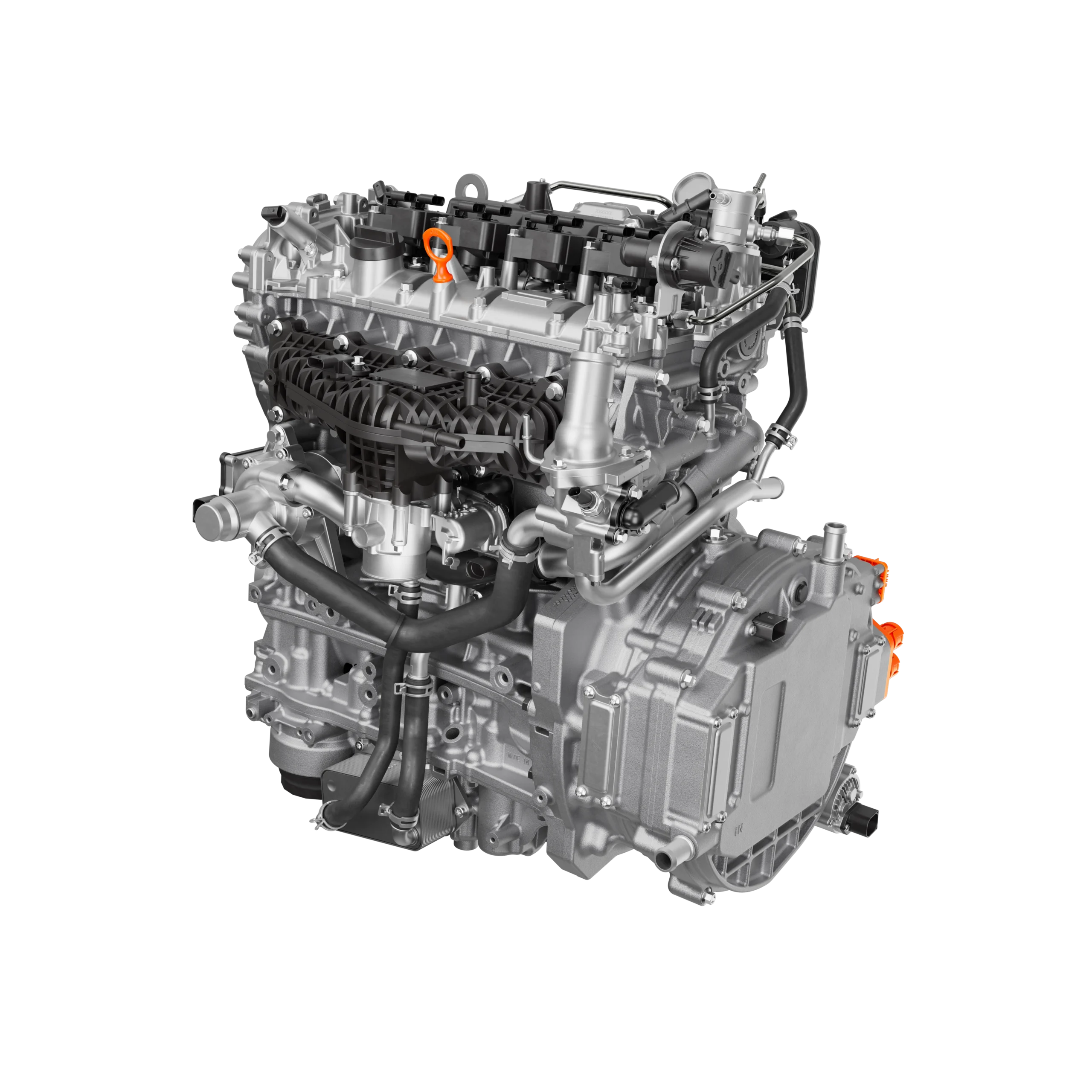
Horse Powertrain, the joint venture between Renault and Geely, is launching an interesting new range extender. It features a 2.0-liter turbocharged four-cylinder engine that makes about 140 horsepower. But instead of running on gas or diesel, it runs on methanol to help improve emissions. That engine spins an attached generator, which would send electricity to the vehicle’s battery pack, but instead of using a traditional electric motor, Horse uses an axial flux or pancake motor, which takes up 46% less space. Mercedes-AMG are using the same type of motors in their newest electric performance cars.
BMW AND TOYOTA TEST RENEWABLE GASOLINE
And speaking of alternative fuels, BMW, Toyota, Bosch and Spanish energy company Repsol, formed a partnership to test vehicles running on 100% renewable gasoline in the real world. The six-month pilot program launched in Spain earlier this month with a fleet of 20 BMW and Toyota vehicles. The cars will run on Repsol’s renewable gasoline and Bosch will monitor them with its advanced digital fuel tracking technology. The goal of the pilot is to provide evidence that running on renewable fuels can be deployed at scale, using existing vehicles and infrastructure. And to also provide data to support that renewables can contribute to Europe’s effort to reduce CO2 emissions, in addition to electrification.
MAHLE COOLS DATA CENTERS WITH AUTOMOTIVE TECH
As automakers and suppliers search for new areas of business to get into, one thing that caught their eye is data centers. Ford announced it would pivot part of its EV battery manufacturing capacity to making batteries for data centers. General Motors says it’s going to do the same thing. When Joe Fadool, the CEO of Borg Warner was on Autoline After Hours, he talked about how they’re using their expertise in turbochargers to make gas turbine generators for data centers. And now Mahle, the German supplier, is using its expertise in thermal management to make cooling units for data centers. Mahle says the cooling unit is about the size of two chocolate bars on top of each other, and are installed directly on circuit boards that control electronic switch functions, using a coolant to dissipate heat. Mahle is working with Infineon to develop the coolers and went from concept to working prototypes in only 4 months.
VOLKSWAGEN LAUNCHES NEW ID.CROSS EV
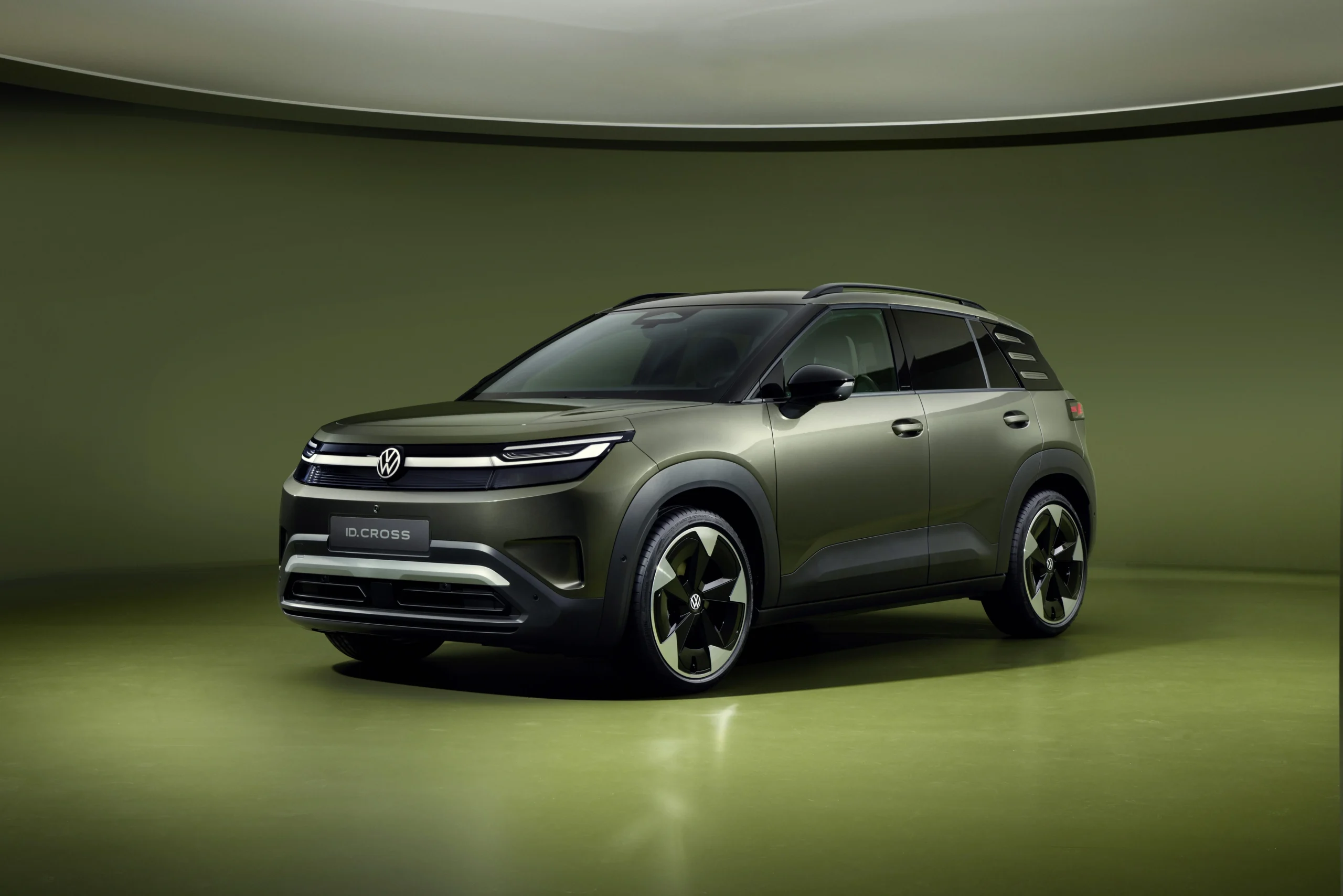
While the VW Group may need to slash as much as 50% of its models, the VW brand’s new family of more affordable EVs will not be on the chopping block. The all-new ID.Cross is now available to order in parts of Europe with a starting price just under 28,000 euros. It rides on the automakers new MEB+ platform and is like the SUV version of the ID.Polo. The front electric motor comes in three outputs 85 kW, 99 kW and 155 kW and there’s two battery sizes 37 kWh and 55 kWh, the latter of which provides up to 427 kilometres or about 265 miles of range on the WLTP test cycle. Models with the big motor and battery start at just over 36,500 euros.
But that brings us to the end of today’s show. Thanks for tuning in.
Thanks to our partner for embedding Autoline Daily on its website: WardsAuto.com







IMHO, EV range anxiety will still be a factor until highway charging stations are a lot more plentiful natiionwide with little to no wait time.
Concur about charging stations; it is ‘charging anxiety’, not range anxiety.
How is it that the reusable fuels work? Are they saying that they contribute few to know harmful emissions? Is hydrogen one of those renewable fuels? Outside of hydrogen, this is the first I’ve ever heard of renewable fuels.