




Follow us on social media:



Runtime: 9:35
0:00 Stellantis Selling Brampton Plant to Roshel
1:03 Musk’s Cybertruck Claims Don’t Add Up
2:06 Honda Spending Billions on Another U.S. Plant
2:55 Lucid Gets Critical Cash Infusion
3:38 Subaru’s Aerospace Division Boosts Revenue, Not Cars
4:25 Original Mach-E Batteries Still Healthy
5:09 Daimler Reveals Next-Gen Electric Bus
6:14 New Polestar Concept Previews Upcoming Design
Visit our sponsors to thank them for their support of Autoline Daily: AlixPartners; Bridgestone; CSP and Intrepid Control Systems.




This is Autoline Daily, the show dedicated to enthusiasts of the global automotive industry.
STELLANTIS SELLING OFF CANADIAN PLANT
It’s official. Stellantis is selling its idled Brampton plant in Canada to Canadian defense company Roshel. The two companies signed a memorandum in September outlining details of a sale and now Roshel will acquire the plant and all of its equipment for an undisclosed amount of money. The transaction is expected to close by the end of the year and the companies will also explore collaborating on future defense projects using automotive technology. However, Canadian union Unifor is highly critical of selling the plant even though it’s been idle for the past three years. The union is concerned many jobs will be eliminated because Roshel’s operations are much smaller than Stellantis, and that it will also lead to more job losses across the entire supply chain. Stellantis acknowledges its obligations to Unifor employees and says that it’s prepared to negotiate a settlement to assist workers.
MUSK’S CYBERTRUCK CLAIMS STILL DON’T ADD UP
With all due respect to Mr. Elon Musk, we just can’t believe the words that are coming out of his mouth. He claims that orders for the Cybertruck far exceed the company’s ability to make them. He says Tesla will race to build as many of the trucks as it can over the next 8 months, but will probably have to return deposits to a bunch of customers. This is an astonishing claim because never in the history of any business have we heard of a company dropping a product because it was selling so well that it couldn’t keep up with orders. As we explained in yesterday’s show, we believe Cybetruck production is running about 65% below capacity. And we speculated that the truck is actually a manufacturing nightmare to make. We think that’s the real reason why it can’t keep up with orders. And maybe Mr. Musk hinted at that when he posted on X that, “the opportunity cost of the complexity of Cybertruck is vastly outweighed by the value of incremental Cybercab production.”

HONDA SPENDING $3 BILLION ON ANOTHER U.S. PLANT
Honda announced it will invest $3 billion to build a new plant in Ohio to meet growing demand for hybrid vehicles. The site, which will be located near its current manufacturing operations in the state, will have the capacity to build 240,000 vehicles a year and create more than 2,000 new jobs. Production is expected to start in 2029, giving Honda the ability to make about 1.3 million vehicles a year in the U.S. and 1.9 million in all of North America.
LUCID GETS CRITICAL CASH INFUSION
Lucid is burning through hundreds of millions of dollars every 3 months and it was in danger of running out of cash next quarter. But its largest stock holder, the Saudi Arabian Public Investment Fund, just loaned it enough money to get to the end of 2027, another $1.75 billion to be exact. Investors liked the news and Lucid’s stock was up 9% in pre-market trading. Lucid has slowed its cash burn by about 30% by slashing production and laying off employees. Even so, it lost $1 billion in the third quarter. The company is counting on a smaller EV, which goes into production next year in Saudi Arabia, to help its turnaround.

SUBARU’S AEROSPACE DIVISION BOOSTS REVENUE, NOT CARS
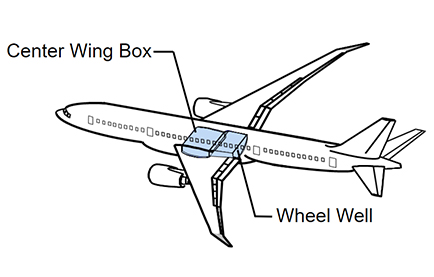
Subaru posted higher revenue in the first half of its fiscal year, but it had nothing to do with selling cars. Instead, the company credited higher sales of center wing boxes. So what the heck are those? Center wing boxes are the structural components, made by Subaru’s Aerospace Division, that tie the wings of an aircraft to the fuselage. On the car side of the business, Subaru sold 444,000 vehicles, down 6% from a year ago. But it boosted its operating and net profit by 13% thanks to the depreciating yen, as well as lower U.S. tariffs on Japanese cars, and from lower warranty work. Subaru posted an H1 net profit of $645 million.
ORIGINAL MACH-E BATTERIES STILL HEALTHY
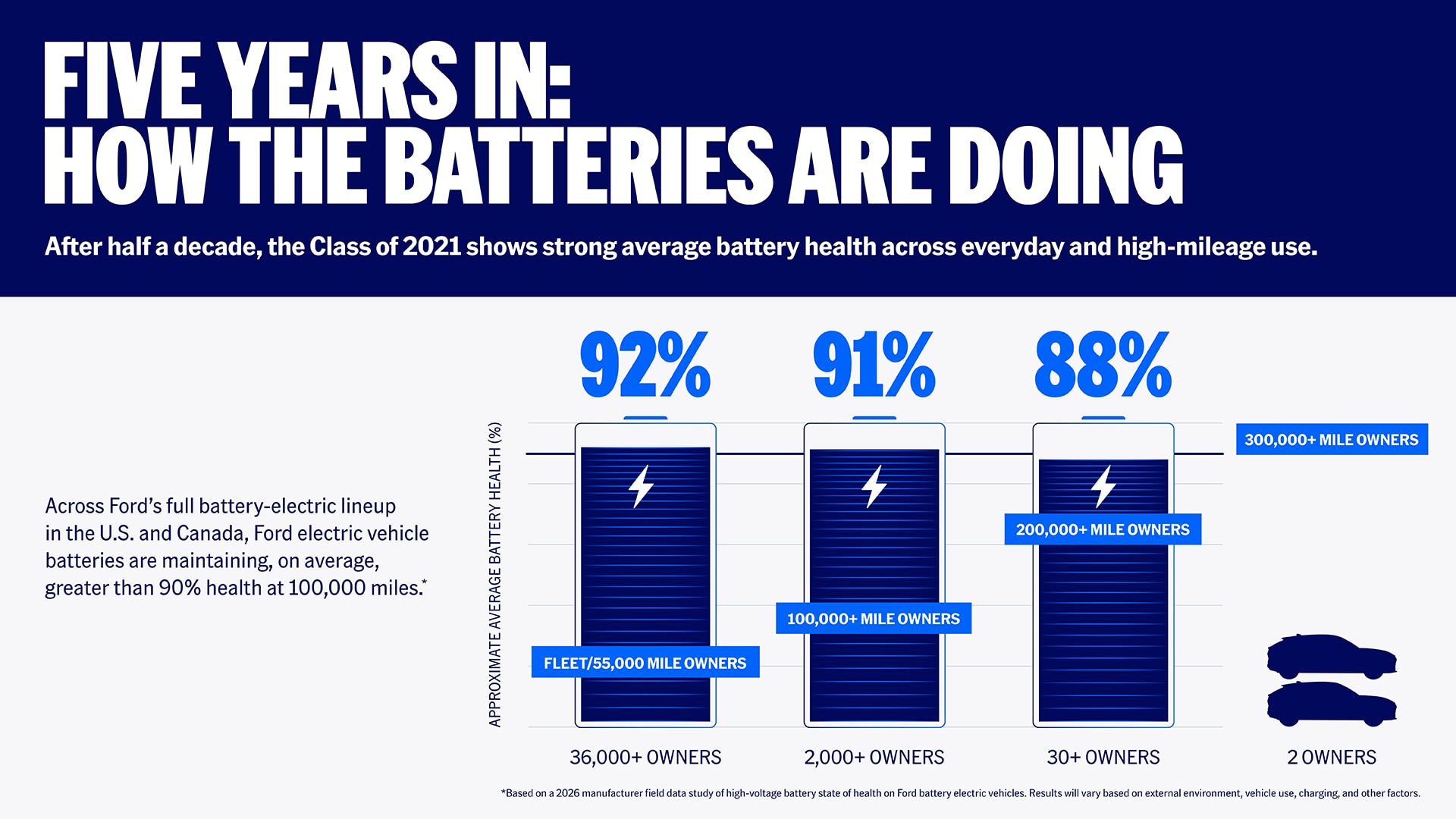
Ford says the battery health of 2021 Mustang Mach-Es, its first model year, are strong, even those with high-mileage. There are more than 36,000 examples on the road, which have driven a combined 2 billion miles across all 50 states and Canada. For vehicles with at least 55,000 miles, the average retained battery health is 92%. That only drops to 91% at 100,000 miles and 88% at 200,000 miles. Even when you include the E-Transit and F-150 Lightning, Ford says the batteries in all of the BEVs that it has sold in the U.S. and Canada over the last five years, have averaged more than 90% health at 100,000 miles.
DAIMLER REVEALS NEXT-GEN ELECTRIC BUS
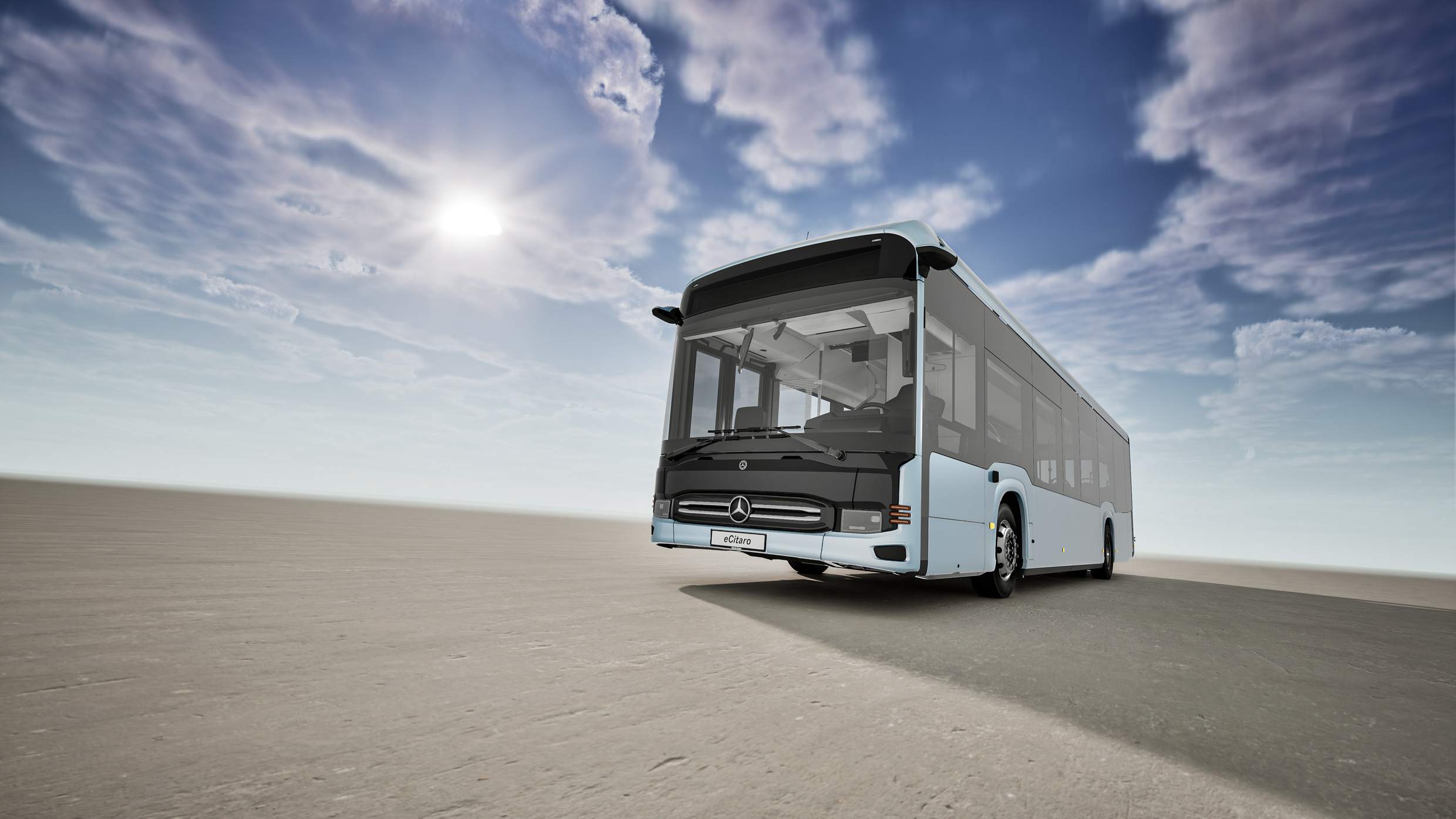
Daimler revealed the all-new next-generation version of its electric bus, called the eCitaro. The first-gen model came out in 2018 and about 4,600 units have been sold since then. But it was based on an architecture that was originally developed for a diesel powertrain and Daimler says the potential of that architecture has been exhausted. So the new eCitaro was developed from the ground up to an EV, featuring a modular architecture with a front, center and rear module as well as a new electronic architecture with OTA update capability. The bus is switching from NMC battery cells to LFP, which will help keep costs down. While it now requires more battery packs, anywhere from 6 to 14 packs that are each roughly 50 kWh, it still reduces energy consumption and weighs less than the old bus. The result is more range and a lower total cost of ownership for customers. But we’ve still got well over a year before we’ll see them on the road with a planned launch sometime in 2028.
POLESTAR CONCEPT PREVIEWS UPCOMING DESIGN
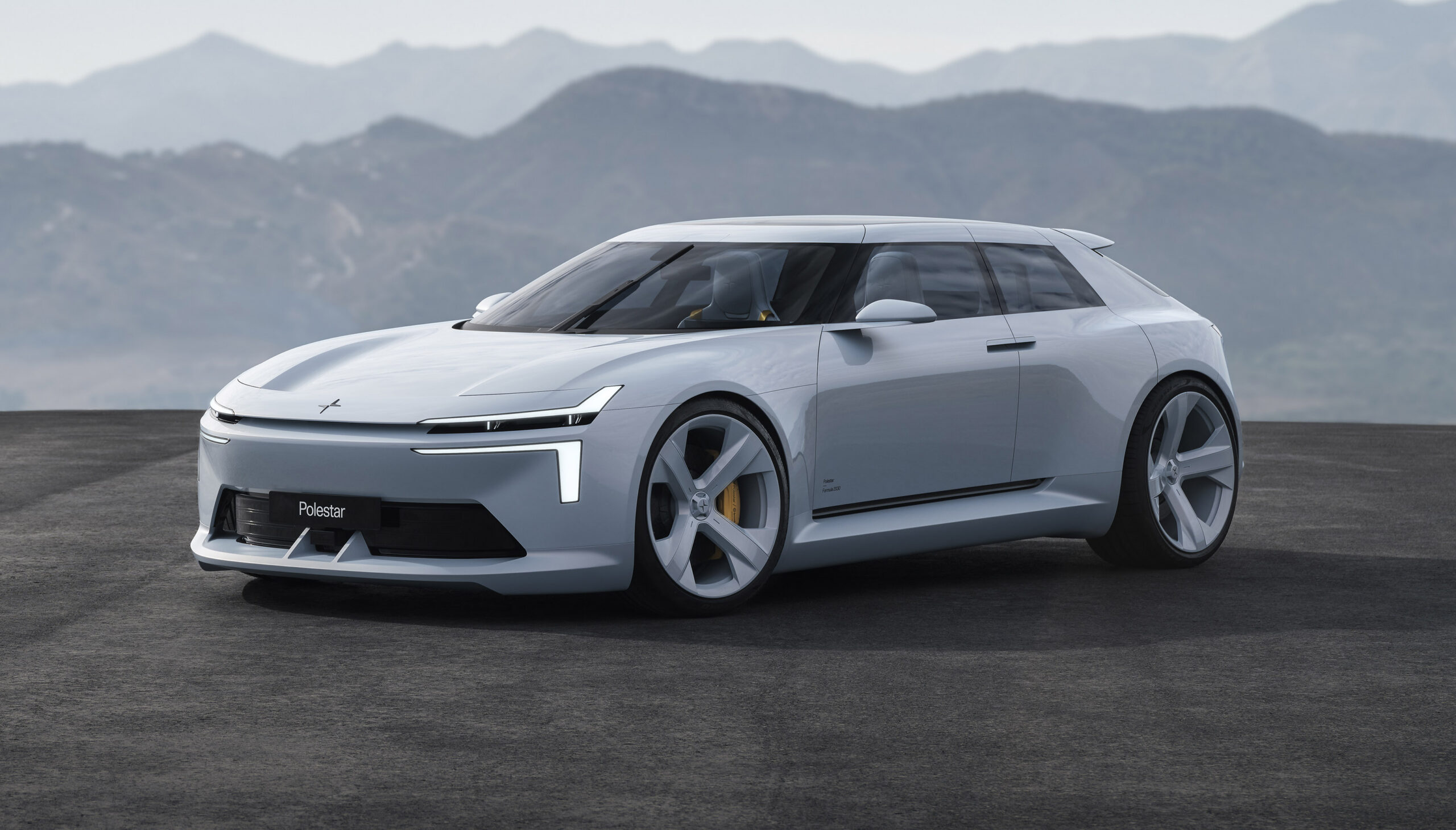
Speaking of future product, Polestar pulled the wraps off a new concept car, called the Formula 2030, the first show car created by the company’s new head of design that joined last year. We would describe it as a low-slung, but wide 4-door hatchback with coach doors. Polestar says the Formula 2030 takes inspiration from its previous models and will help shape the look of upcoming cars. Specifically the next-gen Polestar 2 and all-new 7 will feature various design elements from the concept.
But that brings us to the end of today’s show. Thanks for making Autoline a part of your day.
Thanks to our partner for embedding Autoline Daily on its website: WardsAuto.com






Honda has been heavily in the U.S. for decades, both in sales and manufacturing. They sell almost 2/3 as many vehicles as Toyota in the U.S., but barely exist in Europe. I found that Honda has about 1/4 the South American market share of Toyota for 4 wheel vehicles, but has 70% motorcycle market share in Brazil.
Sean, Stellantis has accepted more than $400 million C$ in subsidies to keep the Brampton plant open for the next 10 years. If they sell it, they will have to repay that money or risk having their other Canadian assets seized or even be banned from selling in Canada. The union has every right to criticize a company that signs binding agreements and then acts like they mean nothing. That may be how business is done in the US, but Stellantis (and Cleveland-Cliffs as well) will find that that is not how business is done in Canada.
Well is anyone really surprised that the cyberdumpster is being discontinued? I mean the electric truck was the vehicle no one ever asked for and Tesla’s version was just awful in so many ways. 1) was supposed to be $39,999 and I don’t believe they ever sold for under twice that amount. 2) They sport the underpinnings of a sedan and snapped tire rods with minimal of roading. 3) boasted a 14k towing capacity that ended up being 11k and ripped the sub structure out with that much weight. 4) boasted it would have a 500 mile range and was lucky to get 250. And only 125 towing a modest 4000 lbs. 5) trim pieces tended to fall off especially around the windshield. I think all those things thrown into the mix with Elon getting involved in DOGE just made the truck undesirable for even those folks that liked the uniqueness of its quirky design. I for one am not surprised as I said long ago they would never sell the estimated 200k a year. According to Cox automotive they’ve sold @71,000 total since 2023. About what I expected.
I also find Ford hard to trust that the Mach e can be at 92% at 55k miles but only drops to 91% at 100k. The math ain’t mathing. Serious doubts on that one.
Interesting battery stats from Ford. Impressive!
Sean, the Tesla info on CT could signal it is a cash flow negative product, meaning they cap production because it would be capping losses. But considering how that vehicle looks I agree with you, Elon is full of hot air on this case.