




Follow us on social media:



Runtime: 12:04
0:00 Mercedes Halts German Investments, Weighs Closures
1:05 U.S. Car Market Quietly Keeps Shrinking
1:50 Kia Invests $2 Billion In India
3:41 Canada Demands Millions Back from Stellantis
4:29 Tim Kuniskis Named Stellantis Commercial Chief
5:21 Audi Nuvolari Supercar Starts At $700,000
6:16 Affordable Dacia Spring EV Gets Redesign
7:18 Inside Scout’s $2 Billion EV Factory
Visit our sponsors to thank them for their support of Autoline Daily: AlixPartners; Bridgestone; CSP and Intrepid Control Systems.




This is Autoline Daily, the show dedicated to enthusiasts of the global automotive industry.
MERCEDES HALTS GERMAN INVESTMENTS, WEIGHS CLOSURES
The German auto industry is already going through gut wrenching change and things are going from bad to worse. Two days ago, Volkswagen announced its scrapping a plan to invest in unboxed assembly at its main plant in Wolfsburg, which could have slashed costs. The automaker says it just can’t afford the investment. And yesterday Ola Kalenius dropped a bombshell. Reuters reports that the CEO of Mercedes-Benz said the company would stop all investment in Germany and would start looking at plants it could close, unless it can come to an agreement with its union and works council to go from a 35-hour work week to a 40-hour week, without any increase in pay. IG Metall rejected that and is demanding a 5% raise instead. Needless to say, this is headed for a major showdown. The head of the works council warned Mercedes that it “knows how to defend itself.”

U.S. CAR MARKET QUIETLY KEEPS SHRINKING
New car sales in the U.S. looked pretty healthy last month, until you dig a little deeper into the numbers. Automakers sold 1.33 million new vehicles in October, according to investment banking company Stephens. That was up 4.3% from a year ago. But October of last year was a weak month as EV subsidies went away and the EV segment took a nose dive. And those 1.33 million vehicles sold last month translate into a sales rate of only 15.6 million, which is pretty weak. Remember, a decade ago the sales rate was running at 17.5 million. We feel like nobody else in the industry right now wants to talk about the shrinking car market.
KIA INVESTS $2 BILLION IN INDIA
By the way, the U.S. market isn’t the only one that’s shrinking. That’s true of all the major markets in the world, including the Americas, Europe, South Korea, Japan and China. Meanwhile, India is one the very few car markets that is still growing and that’s why Kia announced it will invest $2 billion to build a second plant in the country. It will have an annual capacity of 200,000 vehicles and production is expected to start in early 2030. Kia didn’t reveal what models the new plant will produce but it will be capable of making both ICE and electric vehicles. Kia’s current plant in India can build 430,000 vehicles a year, so it will have a combined capacity of more than 600,000 vehicles in the country once the new plant is up and running.
CANADA DEMANDS MILLIONS BACK FROM STELLANTIS
The fallout has started from Stellantis’ decision to sell its Brampton plant to Canadian defense company Roshel. The automaker met with the Canadian and Ontario governments and Unifor yesterday, where it agreed to return nearly $17 million in subsidies it received to retool the facility. But it could have to pay out a lot more. After the meeting, Canada’s Industry Minister said “Stellantis is on the hook for hundreds of millions of dollars.” Government records show that the automaker received roughly $220 million of subsidies to make upgrades in the region. Canada says Stellantis violated the terms of the contracts it signed for those subsidies. The compnay has 30 days to take corrective action, otherwise Canada says it will sue the automaker. And that doesn’t include payouts to employees. Stellantis says it’s working with Canadian union Unifor on a resolution that “supports affected employees and recognizes their years of service.”
TIM KUNISKIS NAMED STELLANTIS COMMERCIAL CHIEF
Speaking of Stellantis, it’s making a number of leadership changes in North America, which are coming right on the heels of newly appointed Chief Operating Officer for the region, Pablo Di Si, who previously worked at VW. Tim Kuniskis was named Chief Commercial Officer and will be in charge of sales and dealer networks, in addition to leading all American brands, including SRT and marketing and retail strategy. Kuniskis replaces Michael Orange effective immediately, even though Orange didn’t hold the position very long. He only joined Stellanis in April of this year, coming over from Hyundai North America. Bob Broderdorf is also returning from medical leave to retake his position as CEO of the Dodge brand. And Matt McAlear, who added the role in Broderdorf’s absence, will now only be in charge of Chrysler.

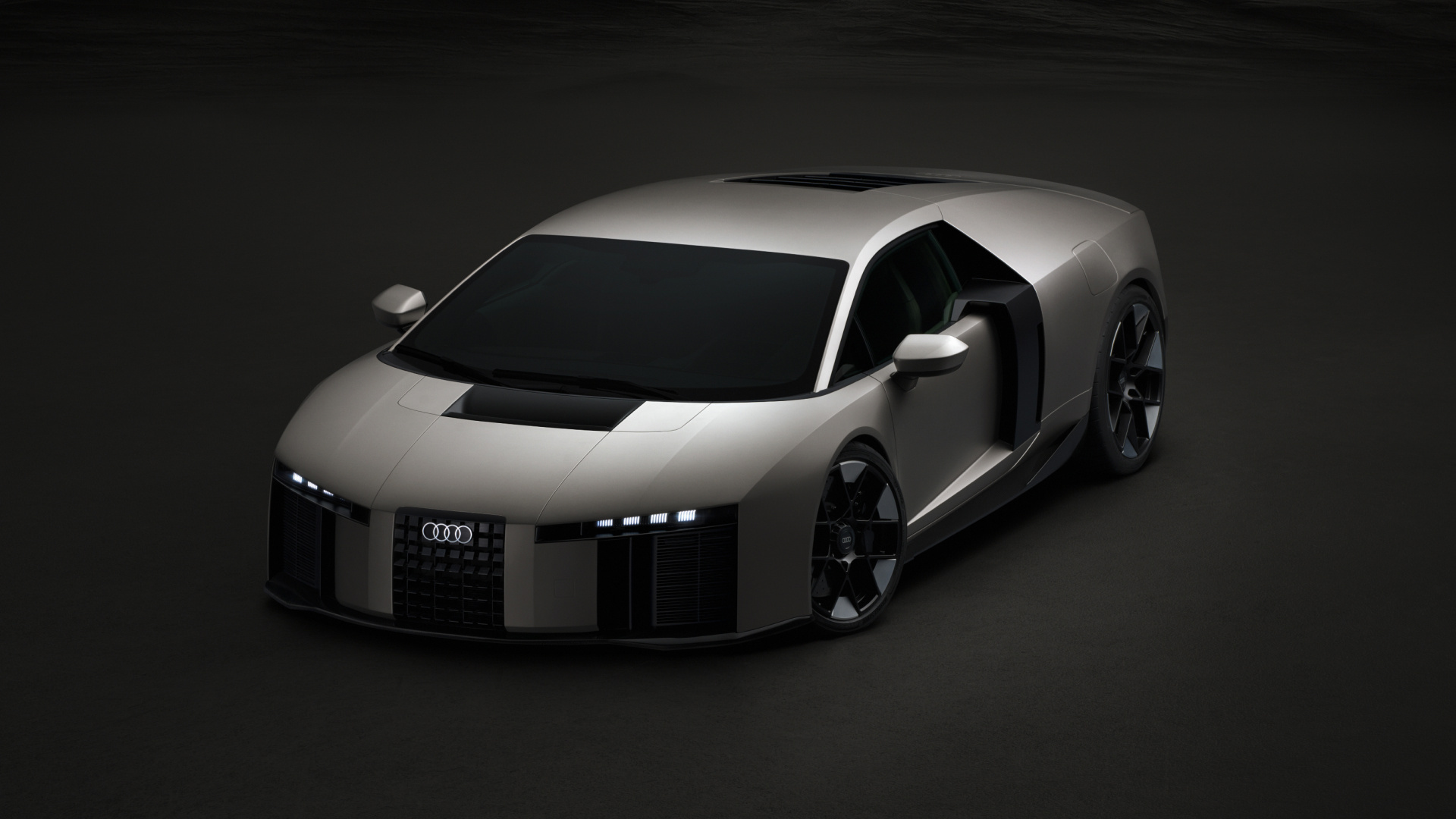
AUDI NUVOLARI SUPERCAR STARTS AT $700,000
In the summer, Audi unveiled an all-new supercar called the Nuvolari. And not only does it have eye-popping performance, it also has an eye-popping price tag. It starts at $700,000 in the U.S., making it the most expensive Audi ever sold in America. Deliveries start in the first half of 2028 but only 182 of the 499 Nuvolaris Audi plans to sell globally will be shipped to the U.S. The supercar is powered by a twin-turbo V8 hybrid along with three axial flux motors, which produce 987 horsepower and 1,660 lb-ft of torque. It’s able to do 0 to 100km/h in just 2.6 seconds and hit a top-speed of 350 km/h or about 217 MPH.
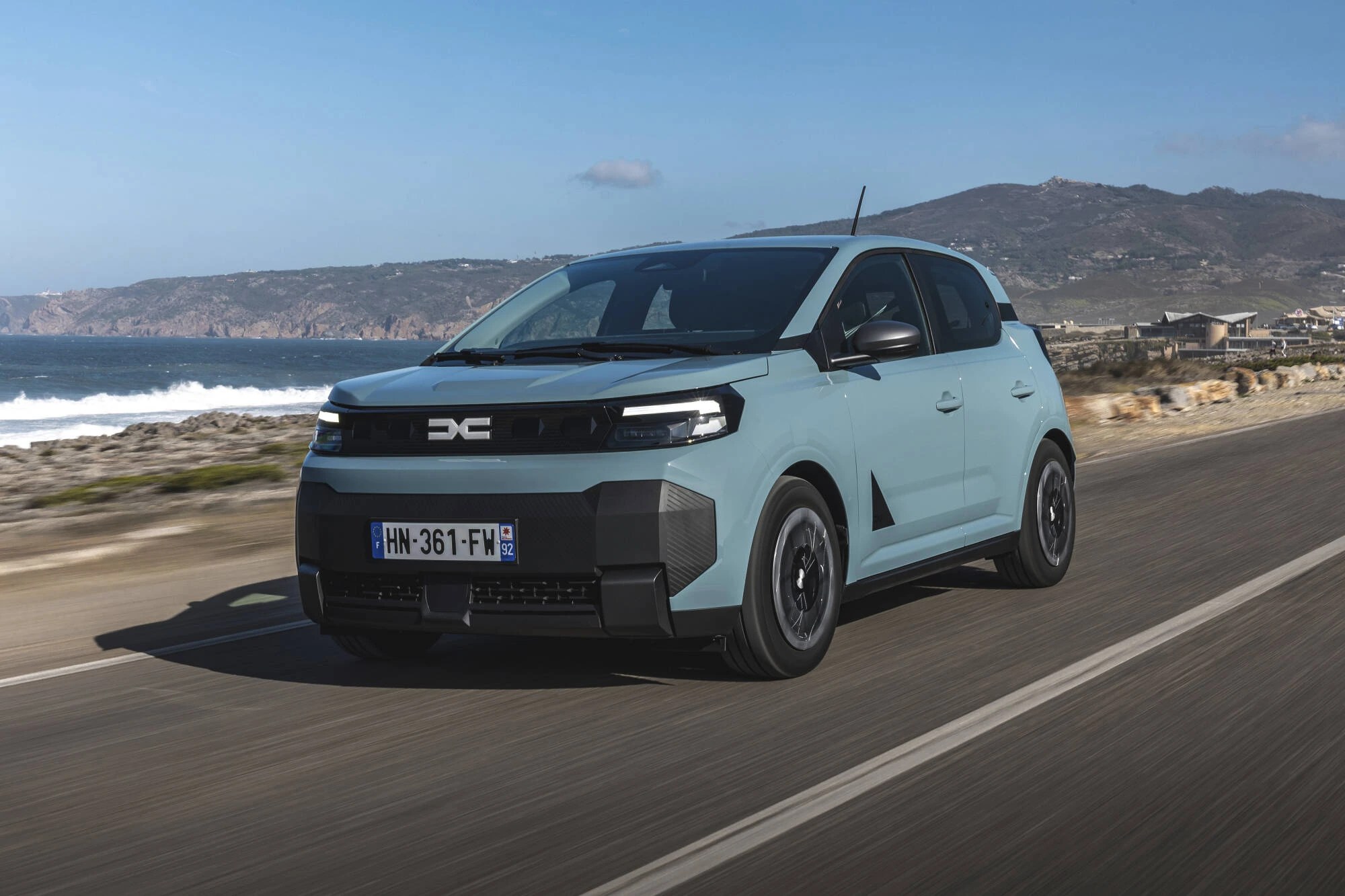
AFFORDABLE DACIA SPRING EV GETS REDESIGN
Romanian automaker Dacia, which is part of the Renault Group, revealed the all-new version of its small Spring EV. The model was fully redesigned and is now based on the Renault Group’s new RG-EV small platform. It features a 60-kW or 80-horsepower electric motor that produces 175 nm or 129 lb-ft of torque. Its LFP battery has 27.5-kWh of usable capacity which provides a range of 250-km or 155 miles based on the WLTP cycle. But it’s a bit sluggish, it moves from 0 to 100 km/h in 12.1 seconds and has a top speed of only 130km/h or 80 MPH. However, based on connected data from owners of the first-gen Spring, the new model will more than cover most driver’s needs. It will be built in Slovenia and all versions will be priced below €20,000.
INSIDE SCOUT’S $2 BILLION EV FACTORY
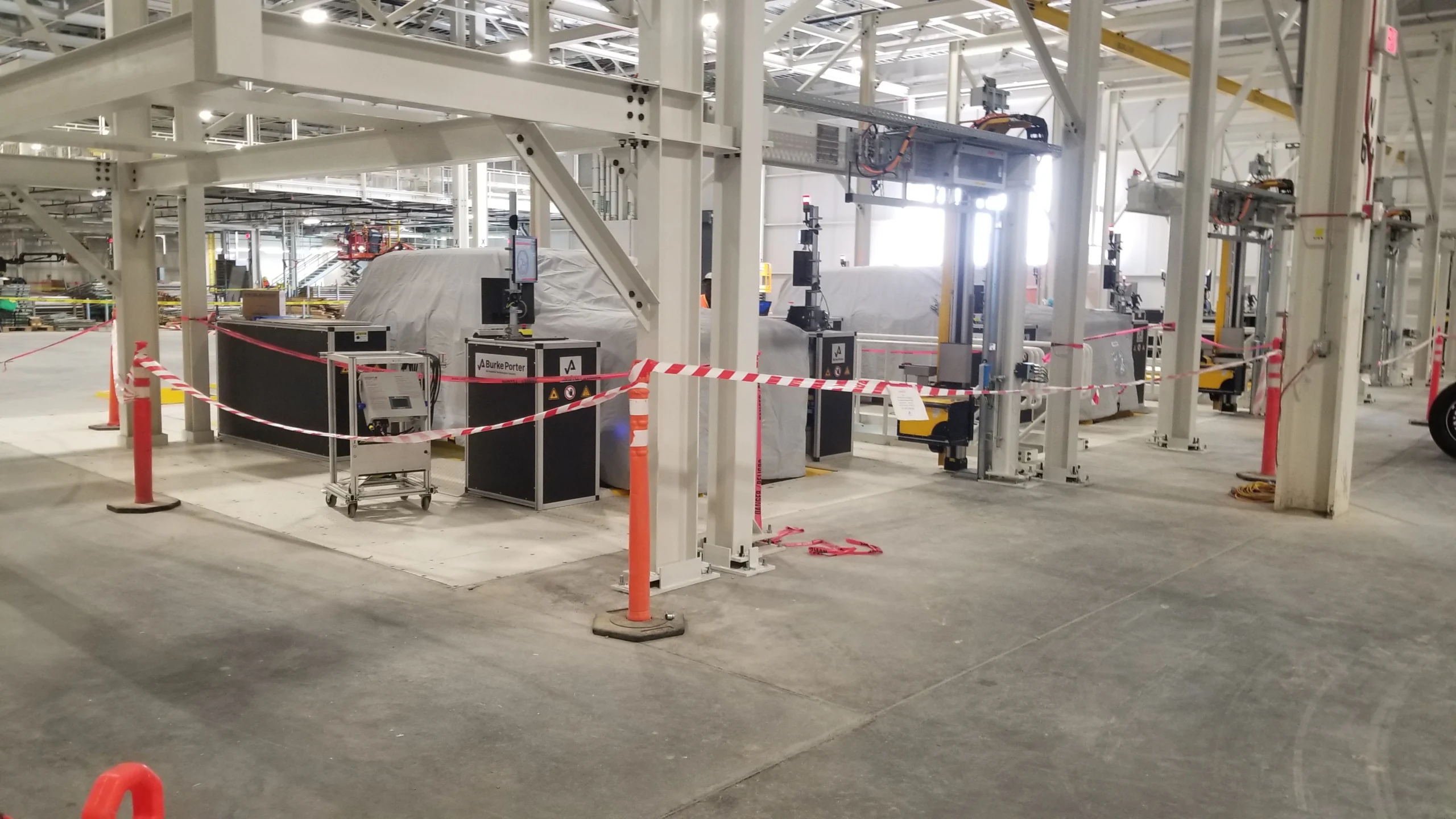
The reason I didn’t host the last few days is because Scout invited me to check out the progress it’s making on its all-new plant in South Carolina. It says the $2 billion facility is about 85-90% complete and is already producing prototype models. It should be finished sometime next year and will have the capacity to make up to 200,000 vehicles a year. The company currently has about 212,000 reservations and while it doesn’t expect to turn all those into sales, it hopes to have enough firm orders to cover 12 to 18 months of production. To me, Scout’s manufacturing operations don’t seem any more efficient than most traditional automakers. Yes, it will have the first automotive paint shop in the U.S. that runs on 100% electricity. But I’m talking about improving manufacturing efficiency through the vehicle’s design. The amount of panels welded together to make the body looked awfully complex to me. The only real efficiency gain I learned about is that the frames will enter the production line with the EREV or battery system already installed, instead of adding it later. However, Scout plans to cut costs by leveraging its partnership with parent company, the Volkswagen Group. It hopes to get better prices on raw materials, like minerals and steel, by buying them at a larger scale with the VW Group. It will share commodity parts, like seat structures and HVAC systems. And it will tap into some of its supplier network. Scout is scheduled to launch its Terra pickup truck and Traveler SUV sometime in 2028 with a starting price under $60,000.
We’ll be posting the next chapter later today in our multi-part series, called Lessons From the Masters. The next chapter is all about Manufacturing, including the history, culture, metrics and processes involved. All of you will have access to the first part of the chapter, while our Patreon and YouTube members will get exclusive access to part two.
We also posted a special speech to our members this week that John put together and it’s getting very strong reviews. Early access to content is one of the benefits of being a member, which is our not-so-subtle hint that you can sign up as well for just a few bucks a month. But we will be posting John’s speech for everyone to watch this weekend, and we think you’ll really enjoy it.
But that wraps up this weeks’ worth of reports on the global automotive industry, have a great weekend and we’ll be back here again on Monday.
Thanks to our partner for embedding Autoline Daily on its website: WardsAuto.com






Are MB execs taking haircuts of their own as they ask their German workforce to work 14% more hours with 0% incremental pay?
It looks like VW needs to act quickly to cancel Scout and build Audis in that plant, or it will be too late.