




Follow us on social media:



Runtime: 10:43
0:00 Ford Making LFP Batteries in Michigan
0:46 CATL Tells Europe to Give Up Battery Recycling
1:32 German Union Workers Going on Strike
2:07 Tesla Wants Model Y Cybercab
3:42 BMW EV Owners Can Earn Charging Bonuses
4:35 VW Injects Sportiness Into T-Roc
5:15 Japan Pushing for Common Components
6:13 OEMs Want More Automation, But Not Humanoids
7:35 NASA Hiring Tire Engineers, Techs
Visit our sponsors to thank them for their support of Autoline Daily: AlixPartners; Bridgestone; CSP and Intrepid Control Systems.




This is Autoline Daily, the show dedicated to enthusiasts of the global automotive industry.
FORD STARTS MAKING FATHOM BATTERIES
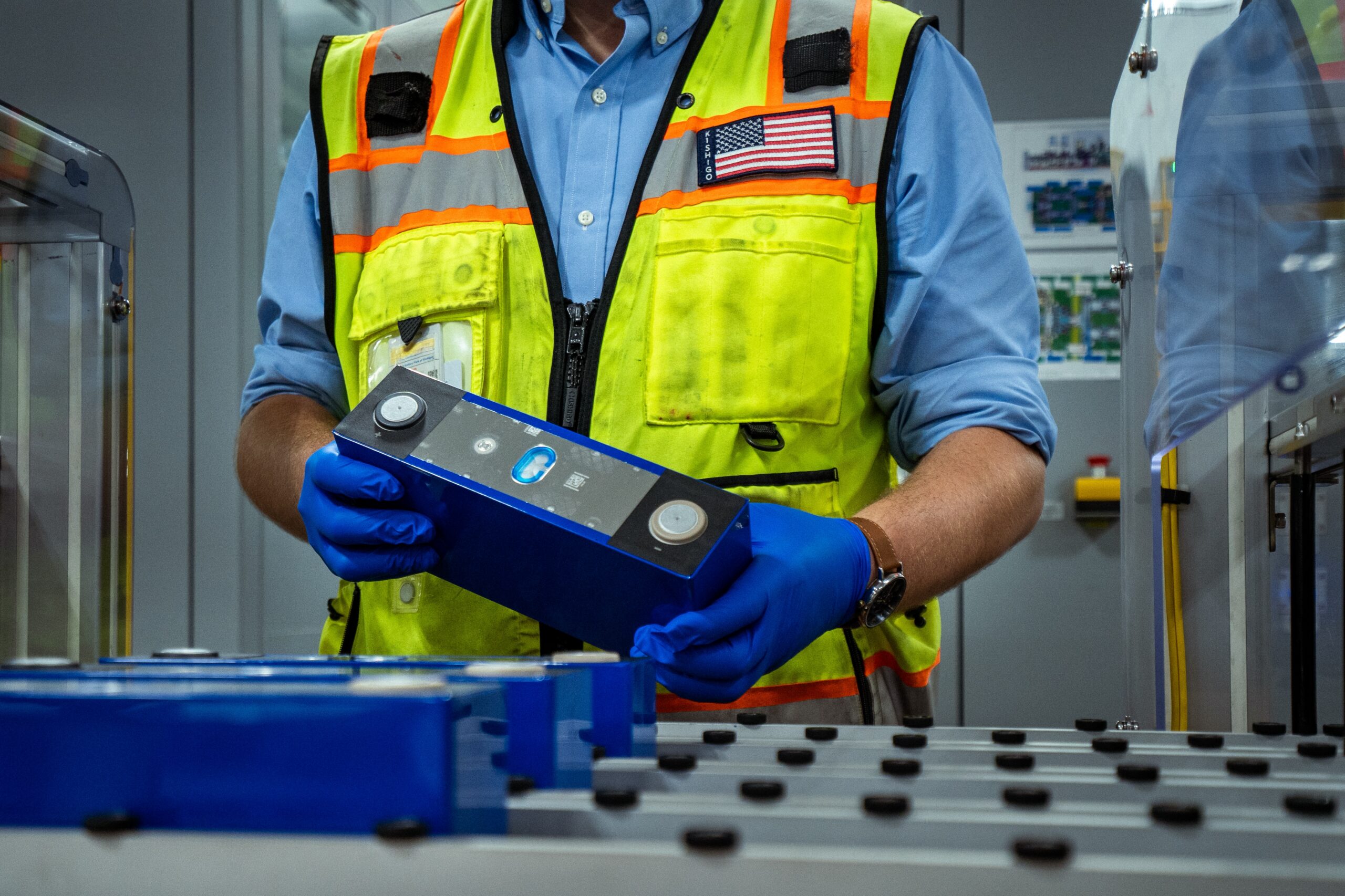
Ford is now producing lithium iron phosphate or LFP battery cells at its battery plant in Michigan. They’re being shipped to the company’s Louisville Assembly Plant to power prototypes of the Fathom pickup truck. Ford says the plant can produce 40 cells per minute, which makes it one of the fastest LFP assembly lines outside of China. It does have the capacity to produce more but Ford wants to make sure it’s consistently making high-quality cells before ramping up production. The automaker says the next step is to start producing battery packs next year before the launch of the Fathom at the end of 2027.
CATL TELLS EUROPE TO GIVE UP BATTERY RECYCLING
And in other EV battery news, CATL’s CEO, Robin Zeng, is warning Europe that its attempts to create its own battery recycling industry will never be competitive. Zeng says that it will be too costly for Europe to recycle batteries locally and instead should send batteries to China since the country already has the recycling infrastructure. The recovered materials would then be sent back to Europe after refining. But that might not be possible under the EU’s push for ‘Made in Europe’ content rules. So, Zeng says CATL is open to collaborations or licensing its technology but thinks those partnerships should be judged on their local contributions instead of the nationality of the investors.

GERMAN UNION STAGING 1ST STRIKES SINCE 2018
The battle between the German auto industry and its unions is ramping up. IG Metall announced it will launch 24-hour strikes at several Audi, BMW, Bosch and ZF plants tomorrow. The automakers and suppliers want to cut jobs and close plants to reduce costs and be more competitive globally. But the union is dead set against that. It’s demanding higher pay, commitments to invest in German plants and secure jobs. The 24-hour strikes are the first from IG Metall since 2018.
TESLA WANTS MODEL Y CYBERCAB
Tesla has been ramping up its robotaxi efforts recently and now Elon Musk says the company is also working on a fully autonomous version of the Model Y that doesn’t have a steering wheel or pedals. The Cybercab only seats two people, so Musk says Tesla needs a vehicle that fits more riders and this new version of the Y can seat six or seven. But there’s no timeline for the Cybercab Y to be released. And as we keep pointing out, NHTSA still hasn’t ruled if vehicles without a steering wheel or pedals meet federal safety requirements.
BMW OWNERS CAN EARN CHARGING BONUSES
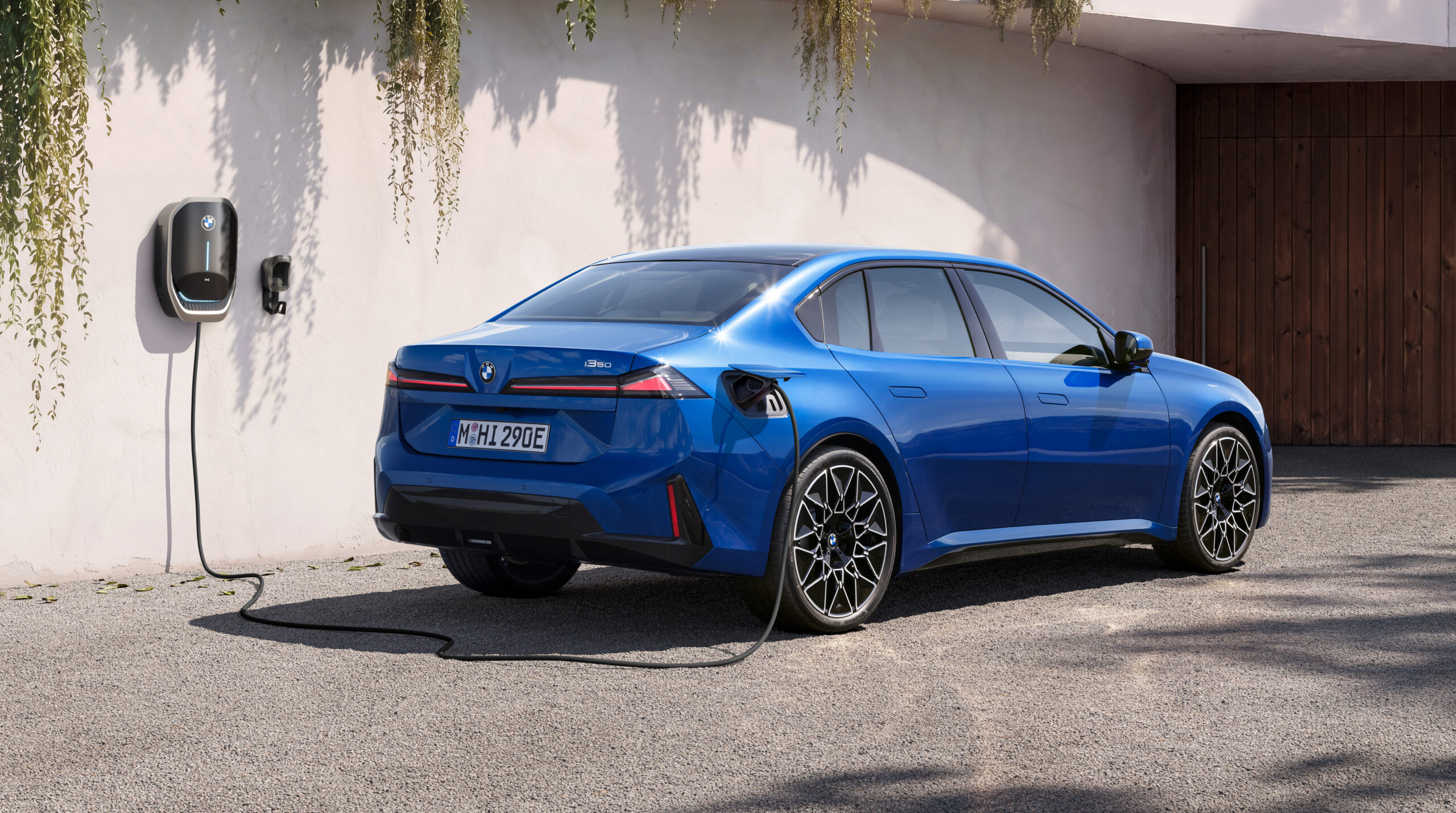
BMW owners in Europe can earn up to 60 euros a month just for plugging in their EV. In March the automaker announced a new Vehicle-to-Grid or V2G program for the iX3, which is now expanding to the i3, iX4 and iX5. By giving energy providers access to their vehicle’s battery, which requires a special wall charger, owners earn money for every hour the vehicle is plugged in and V2G is activated. And they still get that 60 euros a month even if their energy provider never taps into the battery. But for every kWh that owners do dispense to the grid, they get an additional 42 cents, which is on top of the other bonus. So it could be possible for someone to do all their EV charging for free and we think that’s a powerful tool that could help speed up EV adoption.
VW INJECTS SPORTINESS IN T-ROC
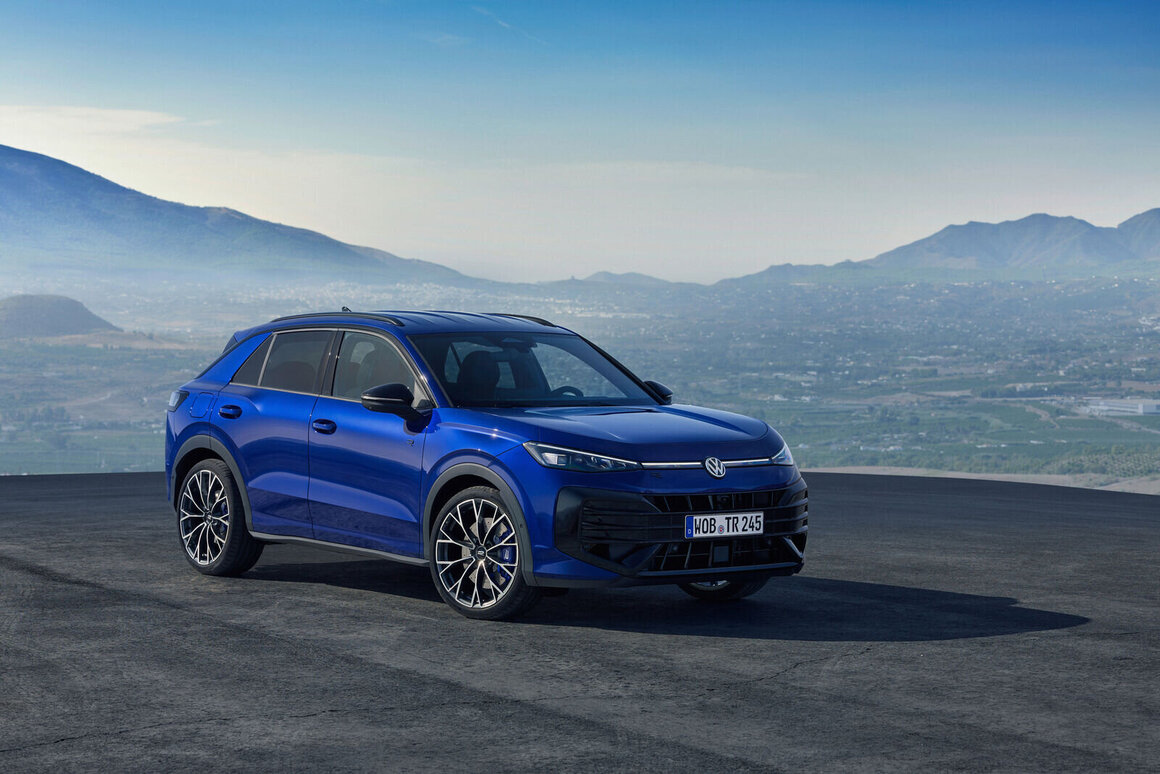
Volkswagen is injecting some sportiness into the new T-Roc. Making its world premiere is the new T-Roc R, which features updates to the powertrain, brakes and chassis. A newly developed turbocharged gas engine with 48-volt mild hybrid tech produces 245 kW or just under 330 horsepower. Thanks to AWD and launch control, the vehicle will do 0-100 km/h in 5 seconds, which is pretty fast for a small crossover. But at 60,000 euros in Germany, we think this is a pricey little vehicle, which sits below the Tiguan in VW’s lineup.
JAMA PUSHES COMMON COMPONENTS
One one of the keys to China Speed is that the Chinese auto industry adopted common components across the industry. It gives them massive economies of scale and slashes product development time since program managers can use so many components that are already sitting on the shelf. JAMA, the Japan Automobile Manufacturers Association, caught on to this and is starting a similar effort. It’s going to start in three areas: steel, plastic resins and wiring harnesses. JAMA noted that Japanese automakers use 70,000 different wiring harnesses which makes them a prime target to commonize. Once it achieves those targets, JAMA’s goal is to use common components throughout a vehicle, provided that it’s not associated with brand identity or things that customers use and experience. There’s some talk about doing this in the U.S. market, but so far, it’s just talk.
AUTOMATION YES, HUMANOIDS NO
AlixPartners, which is an Autoline sponsor, published a survey together with MEMA, the Motor Equipment Manufacturers Association. They call it Automation and the Future of Vehicle Manufacturing and the results are insightful. The survey found that global OEMs and suppliers overwhelmingly see the U.S. as the best place to invest for future growth and profitability. But they also see higher risks for capital expenditures, and are taking a flexible approach where they can reconfigure their assets to deal with political, regulatory and market changes. However, they’re running into significant problems trying to hire the people they need in their plants, and admit that their programs to develop new talent are not fully effective. So they’re moving quickly to scale up automation, and are seeing real improvements to profit and losses. One of the things holding back their push into automation is poor integration of the data systems across their companies. Until data from engineering, manufacturing and purchasing and other corporate areas are linked together, they can not get the full benefits of automation, or use AI for insights and analysis. One interesting tidbit is that the vast majority of the respondents in the survey have no plans to use humanoid robots in the next 5 years.
NASA HIRING TIRE ENGINEERS, TECHS
Have any of you engineers and techs in the audience ever thought about switching your career to work on the final frontier? Well, NASA is hiring, and it’s specifically looking for tire engineers, and manufacturing and instrumentation technicians. It needs tire engineers for lunar rovers who can deal with the lack of atmosphere, extreme temperature, and rocky terrain. It wants people strong in math and complex problem-solving, with an advanced college degree. It also wants manufacturing technicians with fabrication and robotic experience, and who have trade school training and know how to operate forklifts and heavy machinery. And it wants instrument technicians who can install, calibrate, and maintain sensors and control systems. It’s offering apprenticeships and hands-on training alongside experienced technicians, for those with an associate’s degree.
We’ve got a great Autoline After Hours this afternoon, with Bob Lutz coming back on the show. He’s also bringing some of the paper models he makes and if you haven’t seen these things you’ll be blown away at the craftsmanship and detail. David Welch from Bloomberg will also be on, so join John and Gary when it all goes live at 3 pm eastern time.

But that’s it for today. Thanks for watching Autoline Daily.
Thanks to our partner for embedding Autoline Daily on its website: WardsAuto.com






Leave a Reply