


America’s Car-Mart Slides Amidst Market Jitters
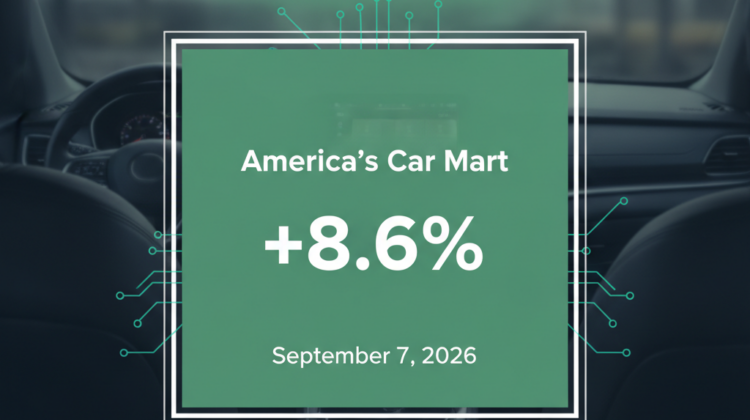
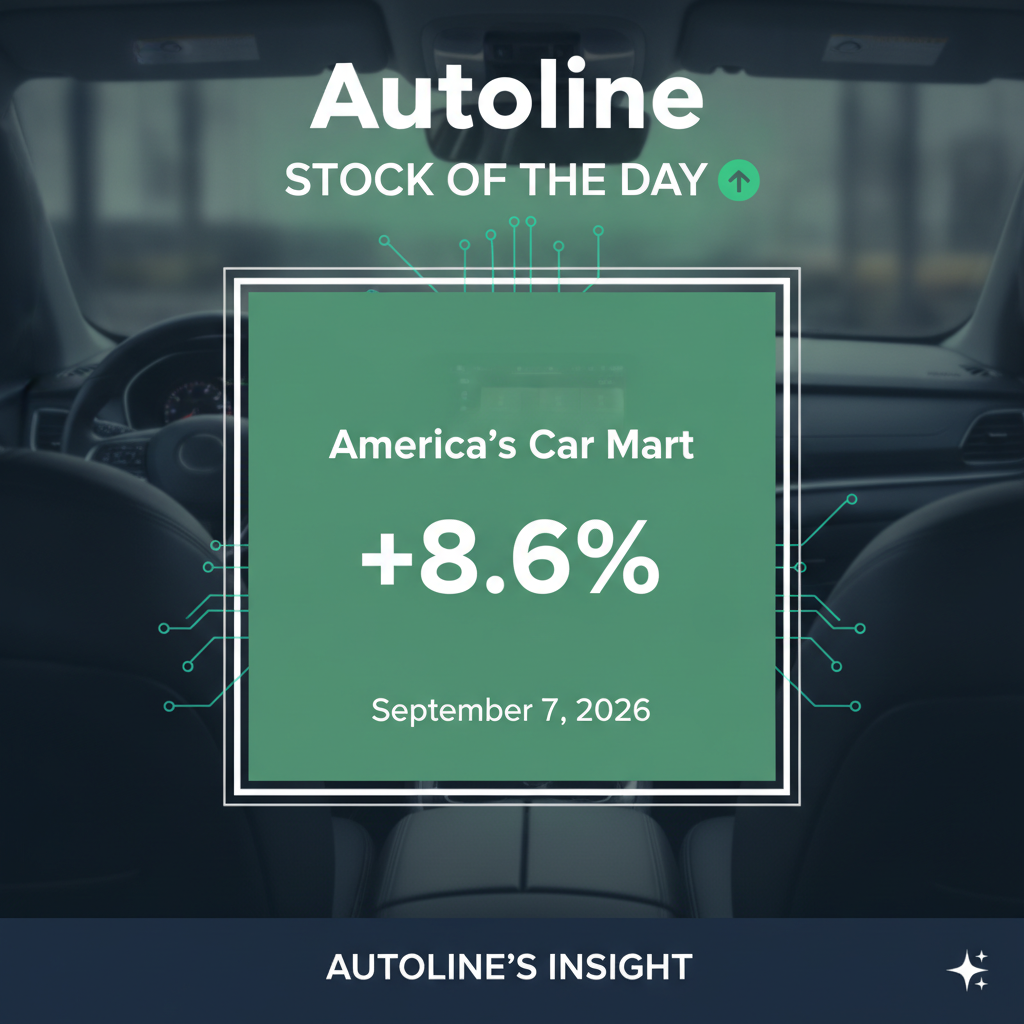
America’s Car-Mart experienced a notable decline in its stock performance, with shares dropping 8.6% to a current price of $2.4, representing a loss of $0.19 per share. This movement occurred within a broader market downturn, where several stocks saw significant pullbacks. The underlying concerns that contributed to this slide were primarily linked to macroeconomic factors, including surging crude oil prices which have stoked renewed inflation fears and higher operating costs for businesses. Concurrently, a sharp jump in benchmark Treasury yields further reduced appetite for riskier assets. Additionally, broader worries about the U.S. consumer’s financial health and potential demand destruction, reinforced by recent retail reports, added pressure to companies sensitive to discretionary spending.
Oil Surges and Yields Spike: A Perfect Storm for Risk Assets
The market’s recent downturn was significantly influenced by a confluence of macroeconomic factors, beginning with the notable surge in WTI crude oil prices. Crude climbed to approximately $90 a barrel, primarily due to renewed U.S.-Iran strikes disrupting shipping operations near the critical Strait of Hormuz. This immediate rise in energy costs reignited widespread concerns over inflation and the potential for demand destruction across the economy. Simultaneously, benchmark Treasury yields experienced a sharp and impactful jump, adding further pressure. These combined developments consequently led to a reduced appetite for riskier assets, as investors grew increasingly concerned that the Federal Reserve would be compelled to maintain higher interest rates for an extended period to curb these persistent inflationary pressures, thereby increasing the cost of capital and impacting growth prospects for various industries.
Stretched Wallets and Weaker Sales: What Walmart’s Warning Means for Car Buyers
The recent Walmart earnings report reinforced concerns about a “stretched U.S. consumer,” with comparable sales growth of 2.6% falling below Wall Street’s 3.5% expectation and third-quarter sales guidance appearing cautious. This performance highlights a clear reduction in consumer purchasing power, as households grapple with persistent inflation and higher living costs. Such a shift directly impacts the used car market, particularly for businesses like America’s Car-Mart, which cater to customers highly sensitive to economic fluctuations and credit availability. Reduced consumer confidence and disposable income often translate into lower demand for discretionary big-ticket items like vehicles, as well as increased scrutiny on financing terms, making it challenging for dealerships serving this segment to maintain sales momentum and manage credit risk.
Navigating Profitability in a Challenging Market
America’s Car-Mart confronts notable challenges, particularly as an unprofitable entity amidst the prevailing economic headwinds. Rising operating expenses continue to pressure the company’s financial performance. A crucial factor is the impact of higher pump costs on its consumer base, which directly reduces discretionary income and subsequently curbs their ability or willingness to purchase vehicles. Simultaneously, the business itself grapples with increased freight costs, adding to its operational burden and further squeezing already tight margins. These combined pressures create significant headwinds for the company. Such conditions disproportionately affect firms, especially those deemed unprofitable, that struggle to efficiently convert their investments and operational spending into sustainable growth within a tightening economic environment marked by inflationary concerns and reduced consumer confidence.
The Tightening Squeeze: What Lies Ahead for Used Car Dealers
The convergence of persistent inflation, elevated energy costs, and a more cautious consumer environment presents a challenging landscape for the automotive retail sector, particularly for used car dealers like America’s Car-Mart. These macroeconomic headwinds are likely to dampen consumer demand and increase operating expenses, impacting sales volumes and profit margins. For Car-Mart, a business often serving credit-sensitive buyers, these conditions could lead to stricter lending criteria and slower inventory turnover. Investor sentiment in the near term will likely reflect ongoing concerns about consumer spending and interest rate impacts. Success in this environment will require robust strategies for managing inventory, optimizing pricing, and mitigating credit risk to maintain operational stability.







Leave a Reply