



Carvana’s Remarkable Ascent: Defying Expectations on the Market
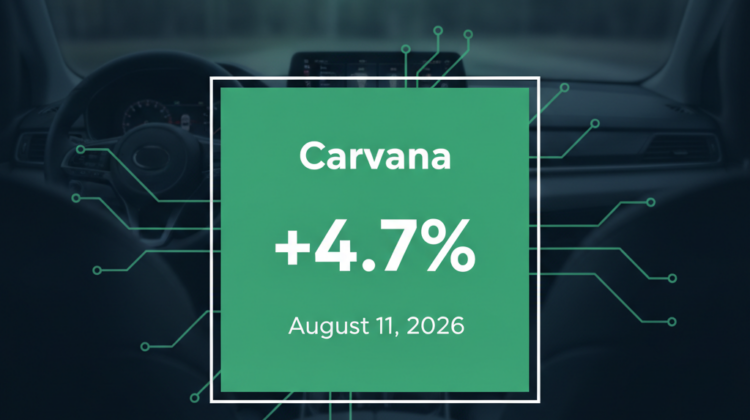
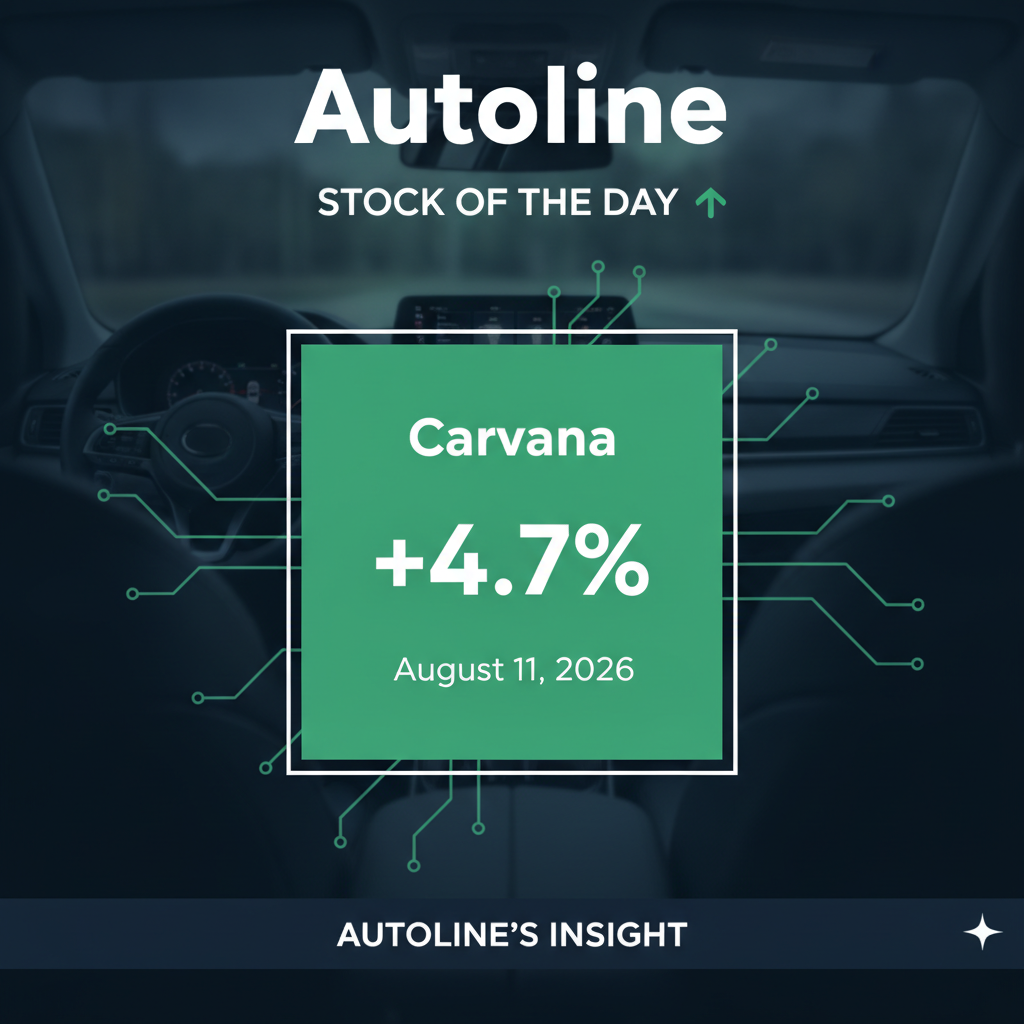
Carvana Co. recently posted a notable market performance, with its stock price increasing by 4.7%, translating to a gain of $3.31 to reach $74.16 per share. This upward movement occurred amidst significant trading activity, with a volume of 11,920,907 shares exchanged. The company’s current market capitalization stands at $81.61 billion, underscoring its substantial footprint in the automotive retail landscape. This strong market showing signals a compelling shift from Carvana’s previously challenging financial outlook, positioning the firm as a notable performer that has overcome considerable adversity.
Core Drivers of Q2 Success: Revenue Surges and Unit Growth
Carvana’s second-quarter success stemmed from robust operational execution and strengthening market position. The company reported a significant 52% jump in revenues, propelled by the achievement of record retail volume. This notable growth in unit sales not only surpassed analyst expectations but also demonstrated a clear recovery in consumer confidence and Carvana’s ability to capitalize on it. While earnings met consensus estimates, the revenue performance notably beat projections, indicating strong top-line momentum. This combination of increased sales volume, effective pricing strategies, and improved operational efficiencies collectively drove the company’s enhanced financial health, marking a pivotal moment after previous challenges.
The Road Less Traveled: How Carvana Engineered a Stunning Comeback
Carvana’s remarkable journey from a precarious financial position in December 2022, when its shares traded for less than $1 (split-adjusted) and bankruptcy discussions were prevalent, to its current status of posting the best financial numbers in its history, is a testament to significant strategic redirection. The company initiated a comprehensive operational overhaul, fundamentally shifting its business model to prioritize sustainable profitability over rapid, unprofitable growth. Key strategic adjustments included aggressive cost-reduction initiatives, streamlining its infrastructure, and implementing more efficient inventory management practices. Furthermore, Carvana focused on optimizing its reconditioning and logistics networks, which significantly improved unit economics and reduced operational overhead. This disciplined approach to efficiency and capital allocation enabled the company to stabilize its financial health and gradually build momentum. The Q2 results reflect the success of these profound operational improvements, highlighting record retail volume and robust revenue growth, firmly establishing its recovery from the brink.
Deconstructing the Numbers: Pricing Power and Profitability Amidst Expansion
Carvana’s Q2 performance demonstrates an impressive financial turnaround extending beyond top-line revenue figures. The company’s strategic emphasis on strong pricing, combined with record retail volume, was pivotal in driving significant profitability gains. Crucially, EBITDA experienced substantial growth despite the margin pressures inherent from ongoing investments in expansion initiatives. This ability to enhance core operational earnings while simultaneously funding future growth underscores a refined and efficient business model. The considerable dollar value traded for the period, approximately $884 million, serves as a clear indicator of robust investor confidence in Carvana’s revitalized market position.
Navigating Forward: What Carvana’s Momentum Means for the Online Auto Market
Carvana’s return to profitability after its previous financial challenges provides a significant validation for the online used vehicle retail model. This turnaround demonstrates the potential for digital platforms to achieve operational efficiency and market penetration, potentially intensifying competitive pressure on both traditional dealerships and other online automotive retailers. The company’s record performance, fueled by unit growth and revenue expansion, suggests a maturing segment of the market where consumer preference for convenience and digital transactions continues to gain traction. This trend is likely to drive further innovation in online sales processes, logistics, and customer service across the entire automotive retail landscape, indicating a sustained shift towards digitally-centric operations.







Leave a Reply