



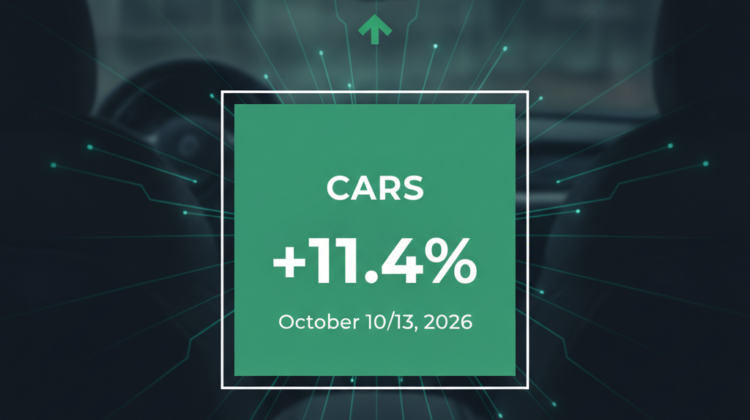
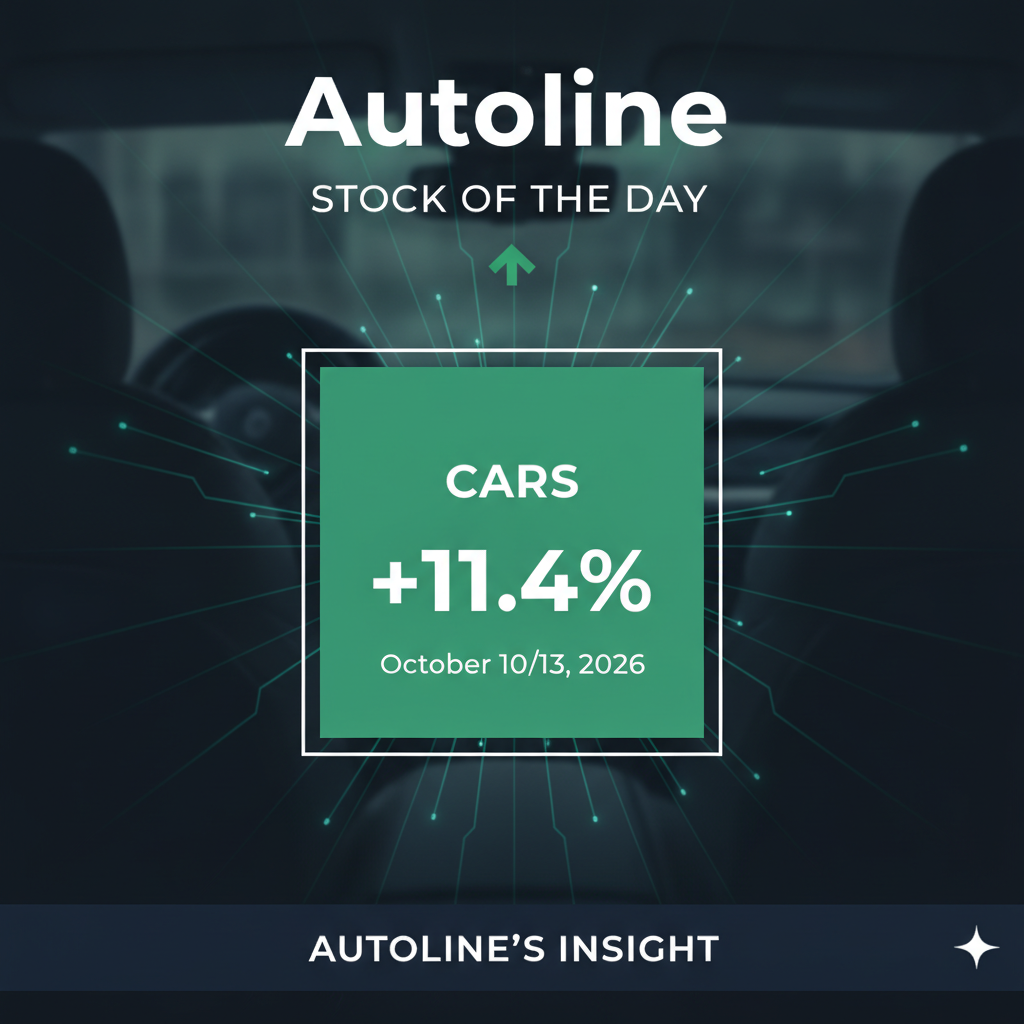
America’s Car-Mart Shares Fall 11.4%
America’s Car-Mart (NASDAQ:CRMT) experienced a significant downturn in its share price, registering an 11.4% decline. This translated to a $0.15 drop per share, bringing its closing price to $1.47. The pronounced fall occurred on a trading day that saw 152,424 shares change hands, totaling a dollar value of $224,063.28. With its market capitalization now standing at $12.17 million, this movement highlights the current pressures facing America’s Car-Mart. The substantial decrease sets the stage for a closer examination of the company’s operational performance and financial outlook within a broader market context characterized by challenging economic conditions and profitability concerns.
Rising PPI and Soaring Crude: The Macroeconomic Headwinds Churning the Market
The broader market context, particularly for businesses sensitive to economic shifts, was significantly shaped by recent macroeconomic indicators. The August Producer Price Index (PPI) unexpectedly rose by 5.4% year-over-year, concurrently with crude oil prices surging past $100 per barrel. These developments collectively fueled renewed concerns over persistent inflation, signaling a potential for extended periods of elevated borrowing costs. Such an environment poses substantial challenges for companies across numerous sectors, including vehicle retail, where higher input costs for operations and logistics directly impact profitability. Furthermore, the prospect of prolonged inflation and high interest rates can dampen consumer demand, affecting purchasing power and financing accessibility, thereby creating a more difficult operating landscape for entities like America’s Car-Mart.
Beyond the Dip: Why Unprofitability Puts CRMT in a Precarious Position
America’s Car-Mart’s status as an unprofitable enterprise presents a significant challenge, particularly given the current economic environment. Without a clear strategy to generate net income, the company faces an elevated risk of rapidly depleting its cash reserves. This can compel management to seek additional capital, often through dilutive fundraising methods such as issuing new equity, which diminishes existing shareholder value and increases investor exposure to financial instability. In a tightening economic climate, where interest rates are rising and capital is becoming more expensive, securing necessary funds without further strain becomes increasingly difficult for unprofitable entities. This dynamic is exacerbated by broader macro headwinds like persistent wholesale cost increases and inflationary pressures, as reflected in recent Producer Price Index data, intensifying the operational and financial hurdles for CRMT.
Navigating the Q2 Landscape: CRMT’s Performance Against Vehicle Retailer Peers
America’s Car-Mart’s Q2 performance positioned it unfavorably within the vehicle retailer landscape, distinctively labeled among the “losers” of the recent earnings season. While the broader industry grappled with an elevated Producer Price Index and rising crude oil prices—macroeconomic factors signaling persistent wholesale costs and potential extensions of borrowing expenses—CRMT’s decline reflects more acute challenges beyond sector-wide pressures. Its classification as an unprofitable company, noted for a potential rapid burn of cash and an unclear path to financial sustainability, amplified investor concerns. This indicates that while industry headwinds certainly played a role, America’s Car-Mart’s specific profitability issues and operational vulnerabilities contributed significantly to its underperformance compared to other vehicle retailers during the period.
The Persistent Squeeze: What Rising Wholesale Costs Mean for the Automotive Retail Sector
The continued upward trend in the Producer Price Index, notably driven by escalating energy and diesel fuel costs, signals a persistent and widespread challenge for the entire automotive retail sector. This broad macroeconomic pressure directly impacts every facet of operational costs, from vehicle acquisition and reconditioning to transportation logistics and daily business expenses. For companies across the board, irrespective of their current profitability status, these rising wholesale costs invariably translate into tighter margins and increased overhead. While financially robust retailers may experience a deceleration in their earnings growth, those already grappling with profitability concerns face an exacerbated struggle to maintain financial stability and achieve positive cash flow. This environment necessitates agile inventory management and adaptable pricing strategies to mitigate the ongoing squeeze, as a sustained period of high input costs is poised to continue reshaping competitive dynamics and investment viability within the industry, challenging even the most established players.






Leave a Reply