


America’s Car-Mart Takes a Hit: Unpacking CRMT’s Significant Q2 Plunge
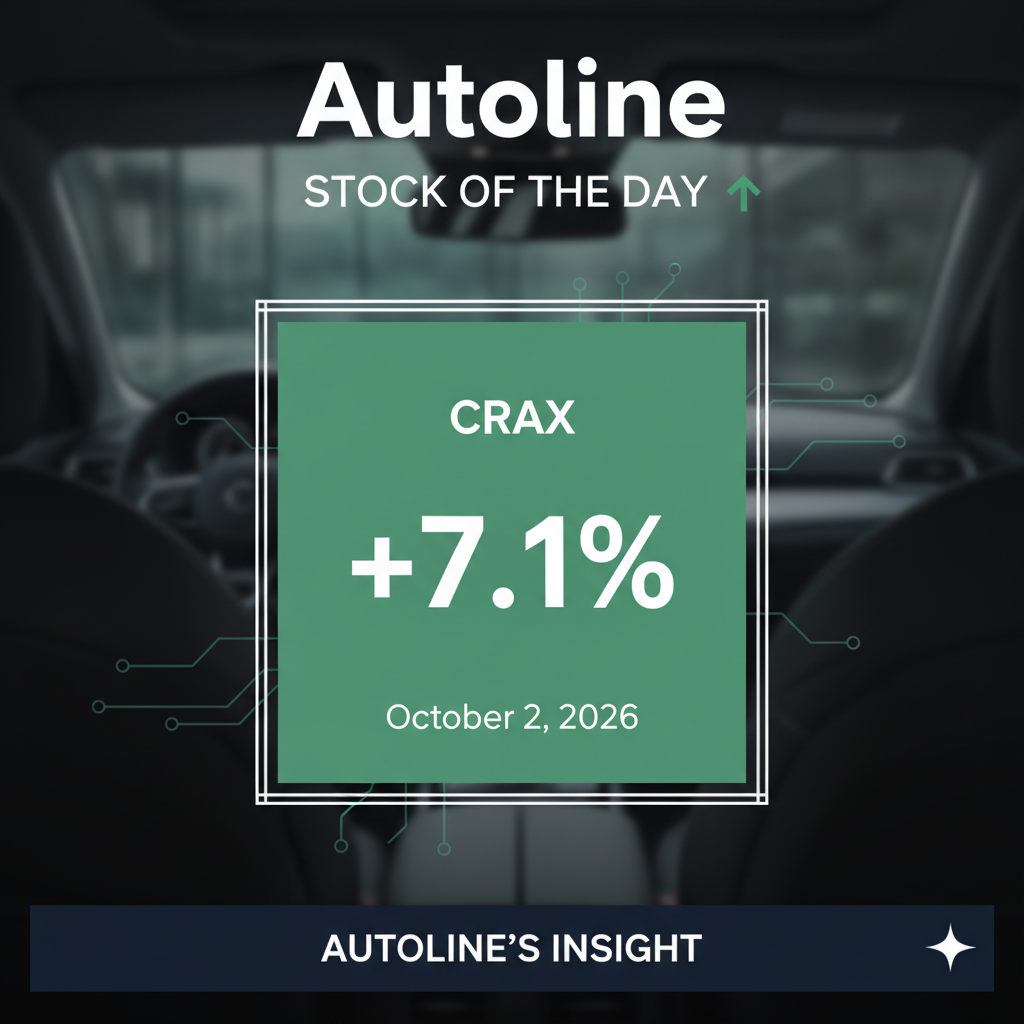
America’s Car-Mart (NASDAQ: CRMT) experienced a significant downturn following its Q2 CY2026 earnings report, with its stock plunging a dramatic 41.8%. This sharp decline reflects immediate investor apprehension stemming from the company’s reported performance. As of recent market close, CRMT was trading at $1.05 per share, with trading volume reaching 690,689 units. This substantial activity occurred against a backdrop where the company’s market capitalization stood at approximately $8.78 million. These figures provide a clear snapshot of the market’s immediate reaction and the scale of the move, underscoring the challenges now facing the vehicle retailer and setting the stage for a deeper examination of the underlying financial and market factors.
CRMT’s Q2 Performance: Revenue Shortfall and Unexpected Loss
America’s Car-Mart’s Q2 CY2026 results revealed significant operational challenges, directly contributing to its stock’s recent decline. The used-car retailer reported revenue of $145.8 million, which not only fell short of market expectations but also represented a substantial 57.1% decrease compared to the previous year. Further exacerbating the concern was a non-GAAP loss of $6.65 per share, a figure that came in significantly below analysts’ consensus estimates. These combined outcomes point to considerable pressure on the company’s business model, suggesting issues such as weakened demand, inventory management difficulties, or tighter profit margins within the competitive used car market. This performance raises critical questions regarding CRMT’s fundamental operational health and its immediate prospects for navigating current economic headwinds.
Fueling the Fire: How Broader Economic Pressures Are Weighing on Retailers
Beyond individual company performance, the retail sector, including vehicle dealerships, is navigating significant macroeconomic headwinds that fuel cautious sentiment. The August Producer Price Index (PPI) notably rose 5.4% year-over-year, surpassing forecasts and signaling persistent wholesale cost pressures across various industries. This escalation in input costs is compounded by crude oil climbing past $100 per barrel, further igniting fears of stubborn inflation and the likelihood of extended borrowing costs from the Federal Reserve. For consumers, higher interest rates translate into more expensive financing for vehicles and other major purchases, dampening demand. Simultaneously, companies like America’s Car-Mart face elevated operational expenses, from acquiring inventory to managing logistics, directly impacting margins. These combined factors contribute to a challenging environment marked by both reduced consumer purchasing power and increased business expenditures.
A Wider Lens: America’s Car-Mart’s Struggles Reflect a Strained Vehicle Retail Market
America’s Car-Mart’s substantial Q2 earnings miss and revenue decline offer a critical view into the broader challenges currently confronting the vehicle retail industry. Persistent wholesale costs, exacerbated by rising energy and commodity prices, are applying significant pressure on inventory acquisition and profit margins for dealers. Concurrently, consumers face elevated borrowing costs due to higher interest rates and ongoing inflationary pressures, which directly impact affordability and reduce demand for vehicle purchases. This creates a difficult operating environment characterized by overall economic uncertainty, making every sale more challenging. CRMT’s performance, particularly as a prominent used-car retailer, acts as a bellwether, suggesting that other vehicle retailers are navigating similar, sector-wide headwinds, albeit with varying impacts depending on their specific market positions and operational resilience.
Navigating the Bumps: The Outlook for CRMT and Used Car Retailers
America’s Car-Mart’s Q2 results underscore the immediate challenges confronting the used vehicle retail industry. For CRMT, priorities include effective inventory management, addressing the impact of elevated financing costs on operations and customer affordability, and navigating a softer consumer demand environment. The broader used vehicle retail market faces continued pressure from persistent inflationary trends, as highlighted by the rising Producer Price Index, and an elevated interest rate landscape. These macroeconomic factors collectively influence consumer purchasing power and the cost of capital, making the sector’s near-term stability contingent on a careful equilibrium of supply dynamics, shifting demand, and the evolving economic climate.