



By John McElroy
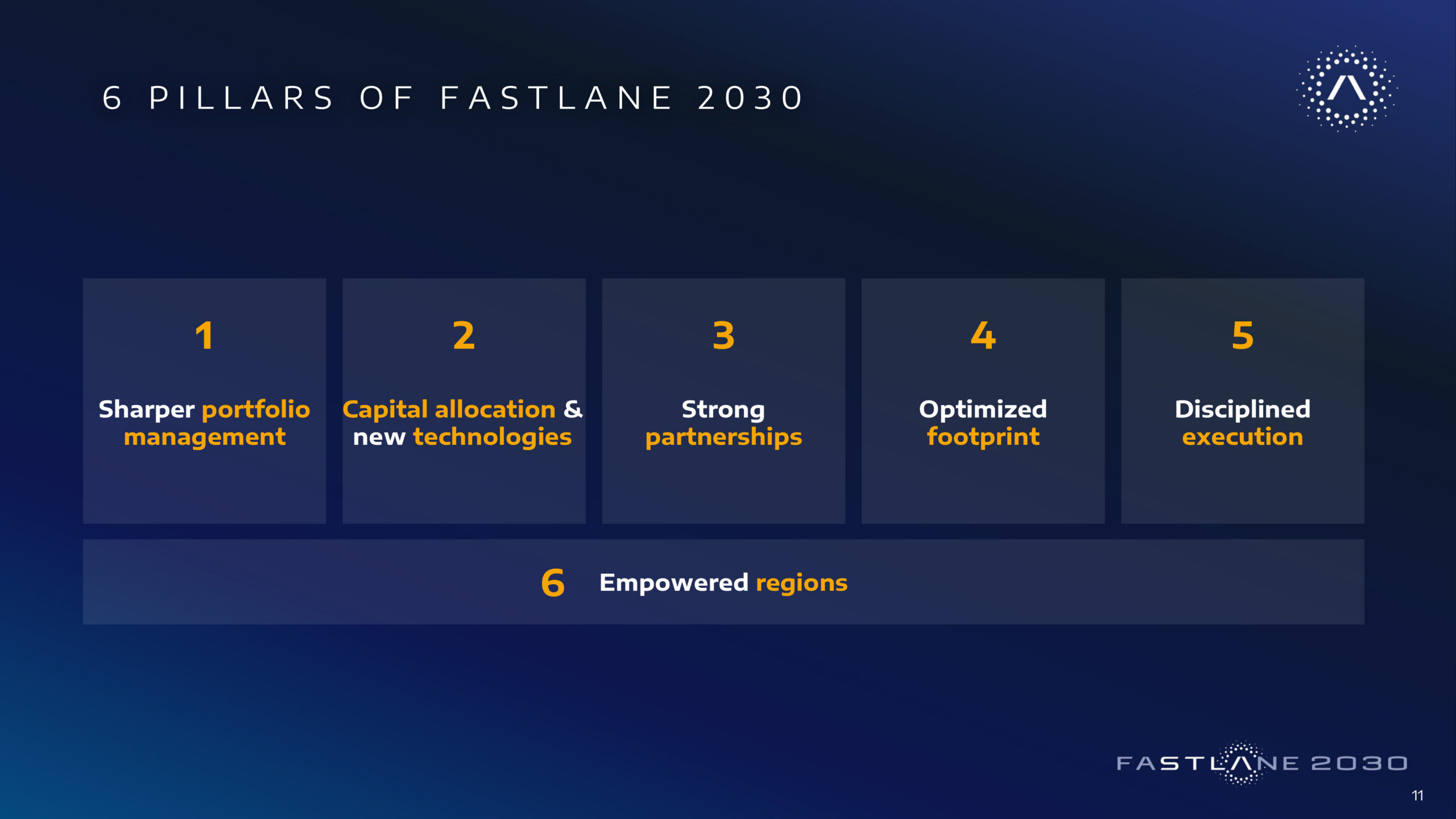
Stellantis needed a massive makeover to recover from the collapse that happened under CEO Carlos Tavares. So his replacement, Antonio Filosa, just delivered a very detailed master plan, parts of which could be a template for other legacy automakers to follow.
There’s a lot to this plan. Far more detail than I want to get into here. But here’s my analysis of the key points that could turn this plan into a success.
First off, Stella is going to base most of its future products off only three platforms: a body-on-frame, a commercial vehicles platform and a new one called Stella One that was developed with Chinese automaker Leapmotor. It will be used for B, C and D-segment cars and crossovers, and will account for 30 different models. A-segment cars will continue on the Stella Small platform.
That means Stella will be dumping two platforms that were developed under Tavares: Stella Medium and Stella Large. They won’t be dumped all at once. But going forward almost all the new retail products will mostly be on Stella One or Stella Frame, with commercial vans on their own platform.
Stellantis says 50% of its products by sales volume will be based on these three platforms, which will give them enormous economies of scale and a claimed 20% cost reduction. Half of its powertrains will also be shared across regions. A couple of key technologies will be used across the lineup: Stella Brain, which is its zonal compute platform that uses 50% fewer ECUs; and Stella Smart Cockpit, which is exactly what it sounds like, and cuts 12 different cockpit systems down to one.
By using these technologies across all three platforms, Stella says 85% of the software in its vehicles will be the same, while the remainder will change for some brand and regional differentiation.
The platforms are also designed to accommodate a variety of different powertrains: ICE, BEV, PHEV, EREV and hybrid. That may leave some “scar mass” that adds weight and cost to the platform, but from a capital investment standpoint it’s extremely efficient and the numbers prove it.
Stella says it will spend €60 billion over the next decade to launch 60 models globally. That’s a lot of moolah. But it works out to €6 billion a year, which is what the company was spending anyway. And Stella says that €60 billion includes both R&D and capex, which is a telling detail. Up to now, it’s been spending about €11 billion a year on capex alone, which suggests Stellantis will be saving €11 billion a year thanks to its new platform strategy.
To solve its overcapacity problem in Europe, Stella will eliminate 800,000 units of production without closing a plant. That’s a neat trick, and this is where its Chinese partnerships come into play. It is building cars for Leapmotor in Zaragoza and Madrid and sells them in Europe in Stellantis dealerships. And it formed a joint venture with Dongfeng to build cars in Rennes that the Chinese automaker will sell in its own dealerships.
Stella says this will take those assembly plants from their current 60% money-losing capacity utilization to a profitable 80%. A fourth assembly plant in Poissy, France, will be converted to a parts plant.
There’s a danger in this strategy, of course. By relying on Leapmotor to develop the Stella One platform means Stella is side-stepping the problem of getting its own in-house engineering ops up to speed. And it’s got to be a bit disheartening to have to build cars for competitors because customers don’t want your cars. But the wolf is at the door, time is of the essence, and these moves will plug the gap for now.
Another risk is that the plan relies heavily on badge engineering. Chrysler, Dodge, Citroen, DS, Opel, Vauxhall, Alfa Romeo and Lancia will merely get rebadged versions of products from the four main brands: Jeep, Ram, Peugeot and Fiat. As long as those rebadged versions get sold in separate geographic regions, they shouldn’t cannibalize each other. It’s an affordable way to keep all the brands in the line-up, yet badge engineering can be a penny-wise but pound-foolish path to product development.
Stellantis is also moving from a global management structure to a regional one. It’s going from 30 top executive leaders down to 15, and it will give the regions more autonomy. That should speed up operations and decision making.
The plan is still a work in progress. Stellantis recently signed a memorandum of understanding with Jaguar Land Rover to develop new products at the tech center in Auburn Hills, Michigan. I imagine Land Rover would be keen to gets its hands on EREV technology as soon as possible, and who knows, maybe even Stella Brain and Smart Cockpit? So, there could be more economies of scale on the way.
There are a lot more details to this plan, but to me, this is the main lift that will get the company over the hump. And I think this will cause other legacy automakers to consider shrinking down their plethora of platforms and powertrains, and reuse their software to the max.
One last thing. Stellantis calls the plan FaSTLAne 2030, and who ever came up with the idea to include the stock sticker in the name should get a gold medal for creativity.