



Follow us on social media:



Runtime: 10:43
0:00 European Automakers Have Had It with CO2 Regs
1:13 Stellantis Pays $191 Million In CAFE Fines
1:52 Mitsubishi Cuts Profit Forecast By 30%
2:25 Xpeng Moves Cars Autonomously at Factory
3:21 Volkswagen Reveals All-New T-Roc
4:43 Hyundai Group Ranks High in J.D. Power Tech Index
5:43 Cadillac Chooses Finn, Mexican For F1
6:46 Tesla, Chinese Bloggers Battle Over Model Y L
7:45 Nissan Improves Engine Efficiency To 42%
Visit our sponsors to thank them for their support of Autoline Daily: Bridgestone, CSP and Intrepid Control Systems.




This is Autoline Daily, the show dedicated to enthusiasts of the global automotive industry.
EUROPEAN AUTOMAKERS HAVE HAD IT WITH CO2 REGS
European automakers and their suppliers have had enough of the EU’s strict CO2 standards and want immediate relief. They point out that they invested more than €250 billion in EVs and launched hundreds of electric models, but don’t see how they’re going to be able to cut C02 emissions 55% by 2030, or 100% by 2035. EV market share in Europe is stuck at 15%. Vans are at 9%. Trucks at only 3.5%. The industry is telling government leaders and regulators that they have to put their idealism aside and deal with geopolitical realities. Europe has become dependent on China for its EV supply chain, and it now has to pay 6 times higher tariffs to sell cars in the United States, which is one of its greatest sources of profits. They say the world has changed since those CO2 regulations were written, and they complain that the EU is trying to achieve its CO2 goal only by regulating the auto industry.
STELLANTIS PAYS $191 MILLION IN CAFE FINES
Stellantis was hit with a hefty fine for missing fuel economy targets in the U.S. NHTSA said the automaker paid nearly $191 million in penalties for not meeting the standards for the 2019 and 2020 model years. Since 2018, Stellantis has been fined more than $773 million for not being compliant. But the automaker is about to get some relief soon. Last month, the Trump Administration removed penalties for missing fuel economy targets back to the 2022 model year and also ended fines for not meeting the standards moving forward.

MITSUBISHI CUTS PROFIT FORECAST BY 30%
Mitsubishi is struggling. The automaker just lowered its operating profit forecast for the current fiscal year by 30%. Mitsubishi previously estimated an operating profit of $675 million but it has now cut that to $475 million. The automaker blames U.S. tariffs, weak demand and increasing selling costs for the cut. And not surprisingly investors didn’t like that news and its shares fell 2% after it made the announcement.
XPENG MOVES CARS AUTONOMOUSLY AT FACTORY
Here’s something we think we’re going to see a lot more of. Chinese EV maker XPeng’s Vice President posted a video to social media showing its new P7 model driving from the production line to the shipping area of its factory without a human driver on board. XPeng isn’t the first to do this. Tesla started autonomously driving vehicles from the production line to the loading dock at its plants in California and Texas earlier this year. And just a few months ago, Elon Musk announced that Tesla delivered its first vehicle, a Model Y, from its plant in Texas to a customer’s home autonomously.

VOLKSWAGEN REVEALS ALL-NEW T-ROC
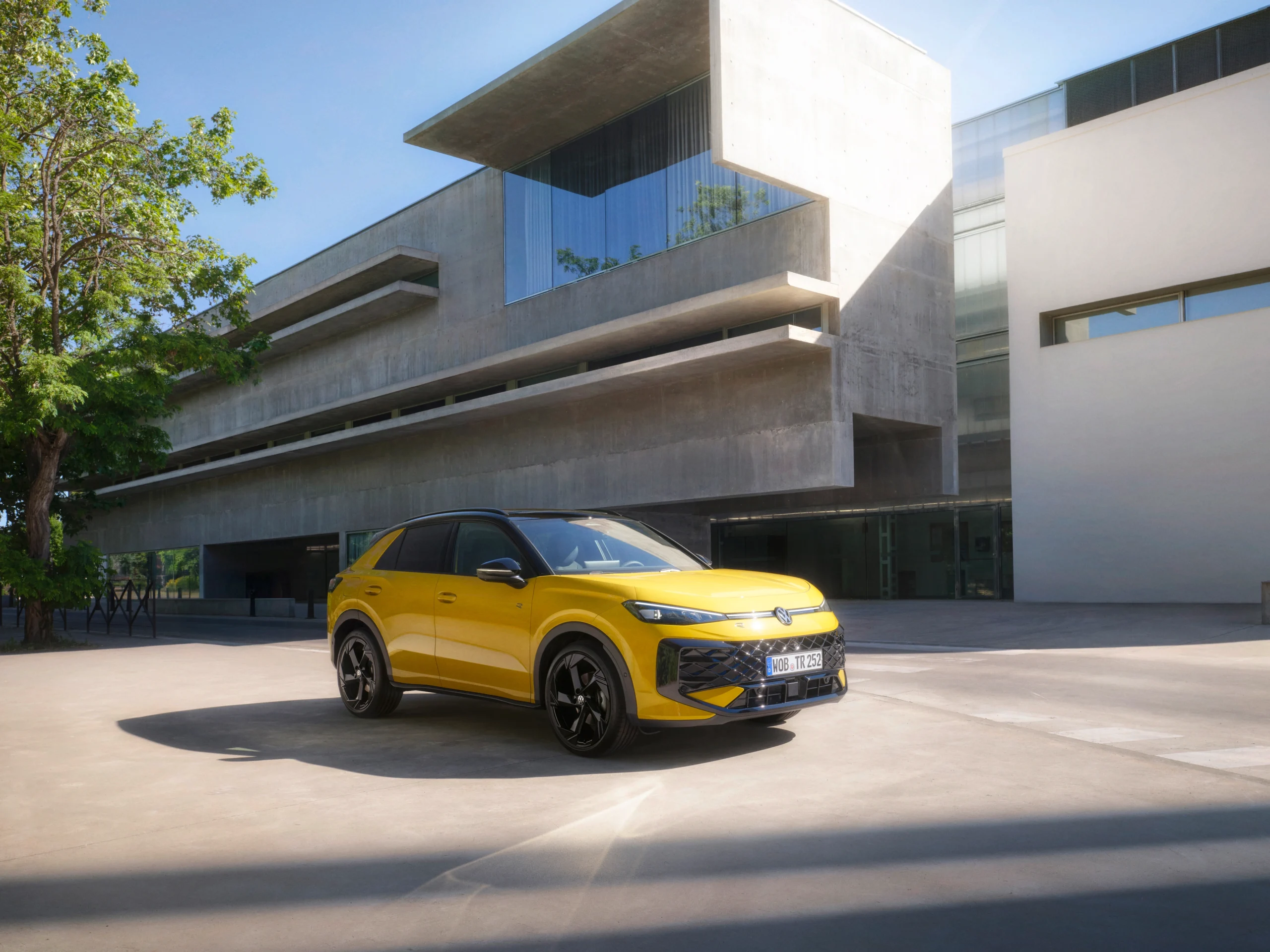
Volkswagen revealed the all-new version of the T-Roc, which is a pretty important model for the brand with a little under 300,000 units sold to customers in Europe last year. It now rides on the updated version of the Group’s combustion car platform, called MQB evo, which gives it access to a number of hardware and software improvements. That includes a large center floating display screen and the newest version of VW’s hands-free driving system, called Travel Assist that now has auto lane change capability as well. The new T-Roc is 12 cm or 4.7 inches longer than the outgoing model, which was used to increase rear seat leg room and cargo space. Going forward, only turbocharged hybrid powertrains will be offered. A 1.5L engine with 48-volt mild hybrid tech and in two power outputs will be available at launch. However, those will be followed by a 2.0L with mild hybrid tech and two full hybrid drives, which VW claims “have been developed entirely from scratch.” All engines are mated to a 7-speed DCT and AWD is offered on the 2.0L setup. The new T-Roc will continue to be made in Portugal and sales kick off this November in Germany with a starting price of about 31,000 euros.
HYUNDAI GROUP RANKS HIGH IN J.D. POWER TECH INDEX
J.D. Power put out its 10th annual Tech Experience Index, which looks at 40 automotive technologies and measures how much users like or don’t like those features, based on a 1,000-point scale. Genesis ranked the highest overall with a score of 538, which also put it at the top of the premium list. Tesla and Rivian would have ranked higher, but they don’t provide as much data as the other automakers, so J.D. Power doesn’t officially place them on the list. In terms of mass market brands, Hyundai came out on top with a score of 493. Customers especially liked technology that makes their lives easier, including smart doors that open as you approach and in-car payments for things like EV charging, paying for gas, parking or tolls. But consumers don’t like recognition technologies, like driver monitoring, touchless controls and face, fingerprint or voice authentication.

CADILLAC CHOOSES FINN, MEXICAN FOR F1
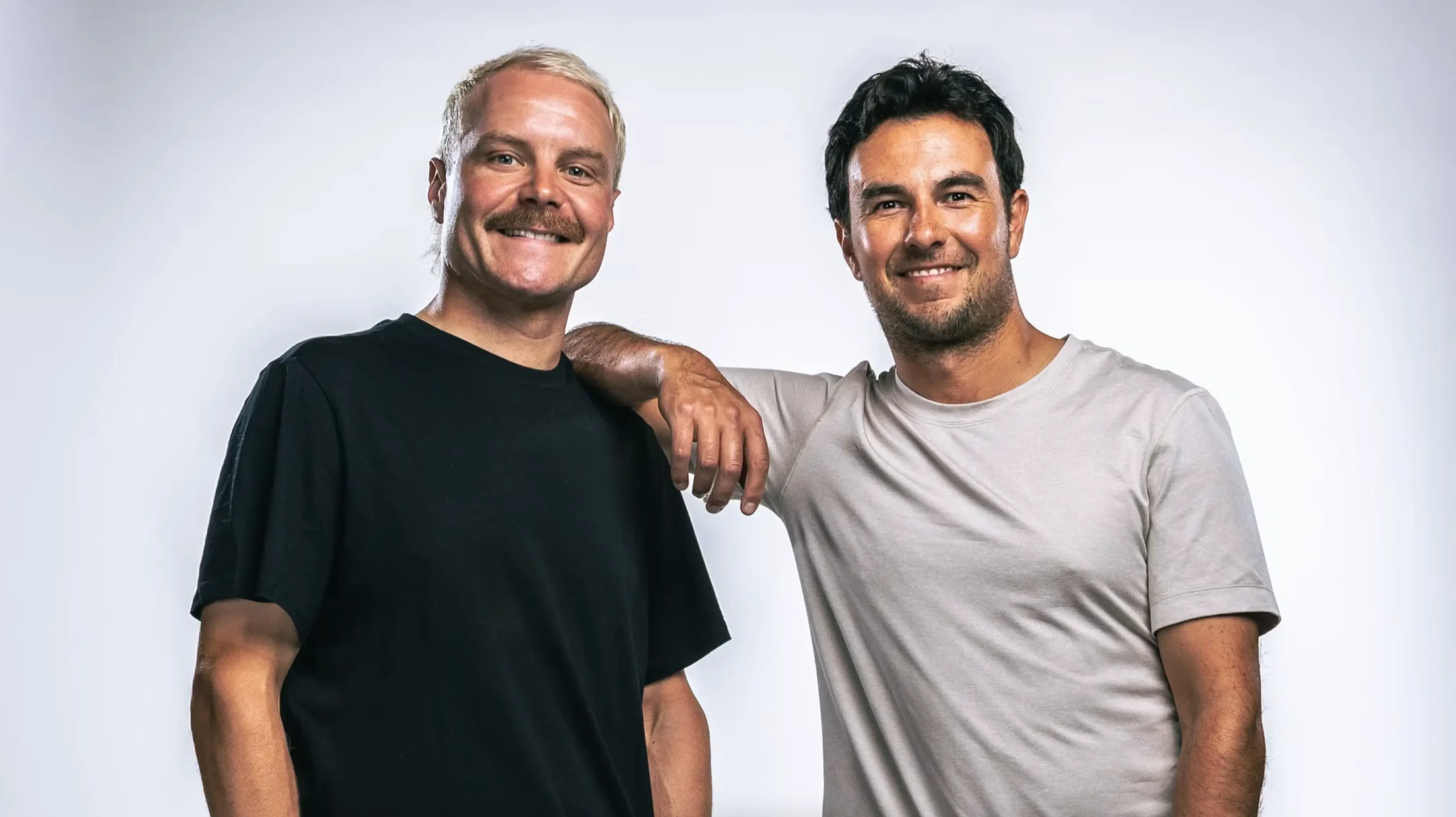
Cadillac selected the drivers for its Formula One team: Valtteri Bottas from Finland and Sergio Perez from Mexico. While a lot of Americans were expecting Cadillac to name at least one American driver to the team, choosing Bottas and Perez makes a lot of sense. Both of them have a tremendous amount of F1 experience, having run hundreds of Gran Prix, landed on dozens of podiums, and racked up 16 wins. For a brand-new team, with a brand-new car, that experience will pay off. Also, why is Cadillac in Formula One? To sell cars! And its greatest opportunity for growth is in the countries where F1 races. Sergio Perez has a massive amount of fans in Mexico, but also throughout South America. Bottas has a ton of fans in Europe, Australia and Asia. And so, the decision to go with these drivers is not just a racing decision for Cadillac, it’s a marketing one too.
TESLA, CHINESE BLOGGERS BATTLE OVER MODEL Y L
When Tesla launched the 3-row, long wheelbase version of the Model Y in China, it was criticized by bloggers for lack of space in the 3rd row. Those bloggers got enough public attention that Tesla’s VP of public relations and marketing in China, decided they better fire back. She posted a video on Weibo showing 6 men getting into and sitting in a Model Y L. They’re over 1.8 meters tall, or about 6 feet, and weigh 75 to 95 kilograms, or 165 to 209 pounds. But the video was immediately attacked. It looks like front seat passengers have their seats so far forward that their knees almost touch the dashboard. Second row passengers have to move their legs to the side to fit in. And heads of third row passengers look like they would touch the rear hatch. We’d say, the only way to see how this gets settled is to watch how well the Model Y L sells.
NISSAN IMPROVES ENGINE EFFICIENCY TO 42%
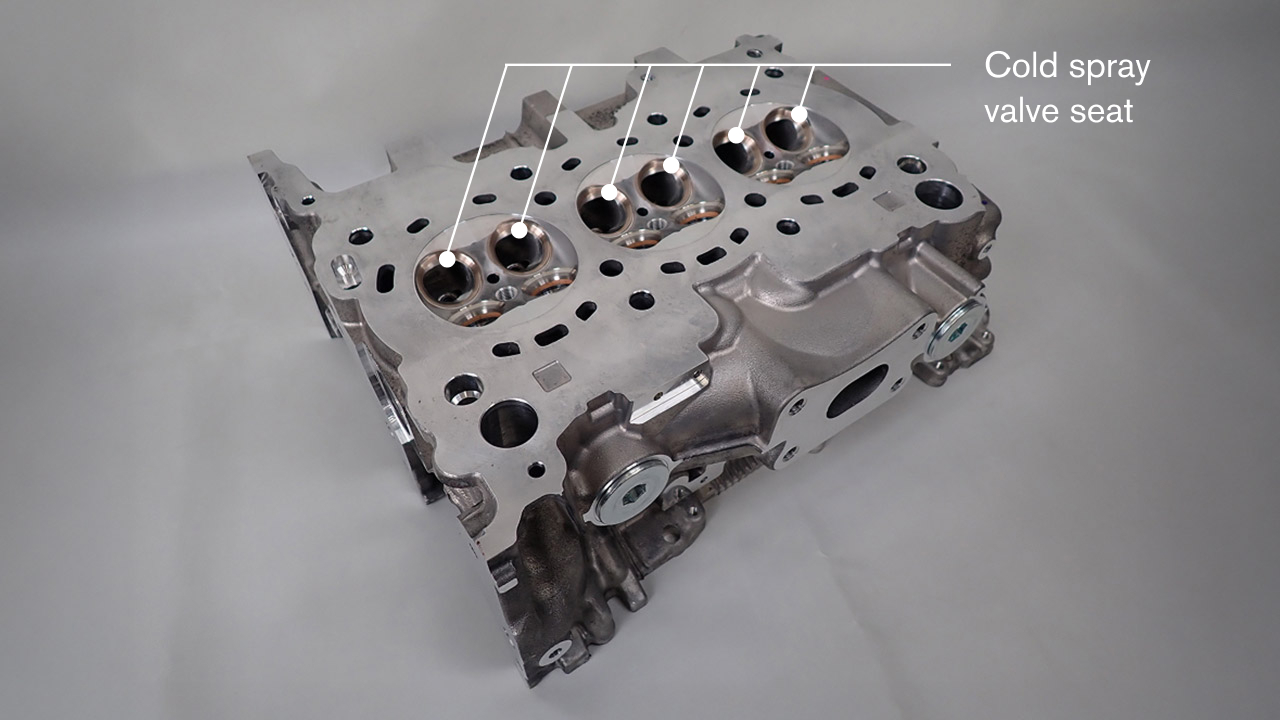
Nissan says it used a world’s first automotive application to improve its engine efficiency to 42%. It’s called cold spray technology and instead of using a pressed-in valve seat on the intake side of the engine, a powdered material is sprayed directly on the cylinder head surface at supersonic speeds to form a solid coating for the valve to seat against. Nissan says this allowed it to optimize the shape of the intake port, which reduces turbulence as air is sucked into the engine. And the better air flow also improves cooling around the valve. The cold spray technology is now being applied to the automaker’s 1.5L engine that was exclusively designed to be used with its e-POWER hybrid powertrain. And that setup is currently available in the Qashqai, which went into production in July.
But that brings us to the end of today’s show. Thanks for tuning in.
Thanks to our partner for embedding Autoline Daily on its website: WardsAuto.com







F1 will be interesting next year. There are major rules changes that are likely to mix up the “pecking order” of existing teams, and with Cadillac, there will be a completely new team for the first time in many years.
Both of the Cadillac drivers have lots of experience, and both have been “number two” drivers to superstars of dominant teams. Bottas has more experience going from a dominant team to a bottom feeder team. Anyway, I would expect their experience useful to help work things out for the new team.
The ’26 F1 formula is changing so much that it seems prudent to have experienced drivers feeling out the new team. Also, remember, Cadillac is using Ferrari power for its first season so at least two variables are somewhat established. I’m looking forward to next year’s races (while I’ll still follow the rest of ’25); I’ll have three teams to root for in ’26: Ferrari, Haas and Cadilac (not necessarily in that order). ;-D
It will be interesting to see how the VW/Audi engines do for Sauber next year.
why is there “inappropriate” advertising in the ad margins on your website? “Bim Bam Bam” looks like the company.
not good, on an automotive publication.
Sean —
I may be wrong, which I am more often then not, but, wasn’t it on your show a few weeks back, that the Trump administration was going to pay back automakers who missed their CAFE requirements over the pass several years and didn’t have to meet the this year? How does that square with Stellantis being required to pay fines now?
So, Tesla has one of their models in Texas, drive autonomously from the plant to the buyers doorstep, right? If that vehicle was involved in a collision in route, who would be at fault? Tesla or the customer? As I understand, even if the other driver t-boned the Tesla, only licensed drivers are allowed to operate a motor vehicle on a public road, so with the Tesla having no licensed driver operating the vehicle, that would automatically place it at fault (unless Texas have different laws then Michigan)! But, which party would get the ticket? The customer or the automaker?
Another example of unintended consequences that we never see coming, but potentially could shape our future! Thankfully, this didn’t come to that.