




Follow us on social media:



Runtime: 11:04
0:00 Chinese Automakers Flock to Munich Show
0:49 Opel Shows Performance Mokka EV
1:29 Renault Launches All-New Clio
2:46 Cupra Says Tindaya Concept Will Become Reality
3:27 Skoda Pulls Wraps Off New Station Wagon Concept
4:06 Hyundai Reveals 1st Compact EV
5:51 VW to Invest €1 Billion in AI To Save €4 Billion
6:17 Mercedes Does 1,200 Km Test with Solid-State Batteries
6:51 Ducati Puts Solid-State Batteries in a Motorcycle
7:21 New Maverick & Transit Connect to Share Plant
8:11 EVs Will Hit 50% Share in the U.S. by 2039
Visit our sponsors to thank them for their support of Autoline Daily: AlixPartners, CSP and Intrepid Control Systems.




This is Autoline Daily, the show dedicated to enthusiasts of the global automotive industry.
CHINA’S OEMs DOMINATE MUNICH SHOW
We start out today in Munich, Germany at the car show they call the IAA, where Chinese automakers are absolutely dominating the show. BYD announced it will open 300 dealers in Germany by the end of next year. Today it has 24. Hongqi, a Chinese luxury car maker that’s part of FAW, says it will open 200 dealerships and launch 15 models in Europe over the next 3 years. And that’s just the tip of the iceberg. There’s a lot more coming. Keep in mind that Chinese automakers already have 5% of the European market, and they’re obviously planning on taking a lot more than that.

OPEL MOKKA EV GETS DIET OF STEROIDS
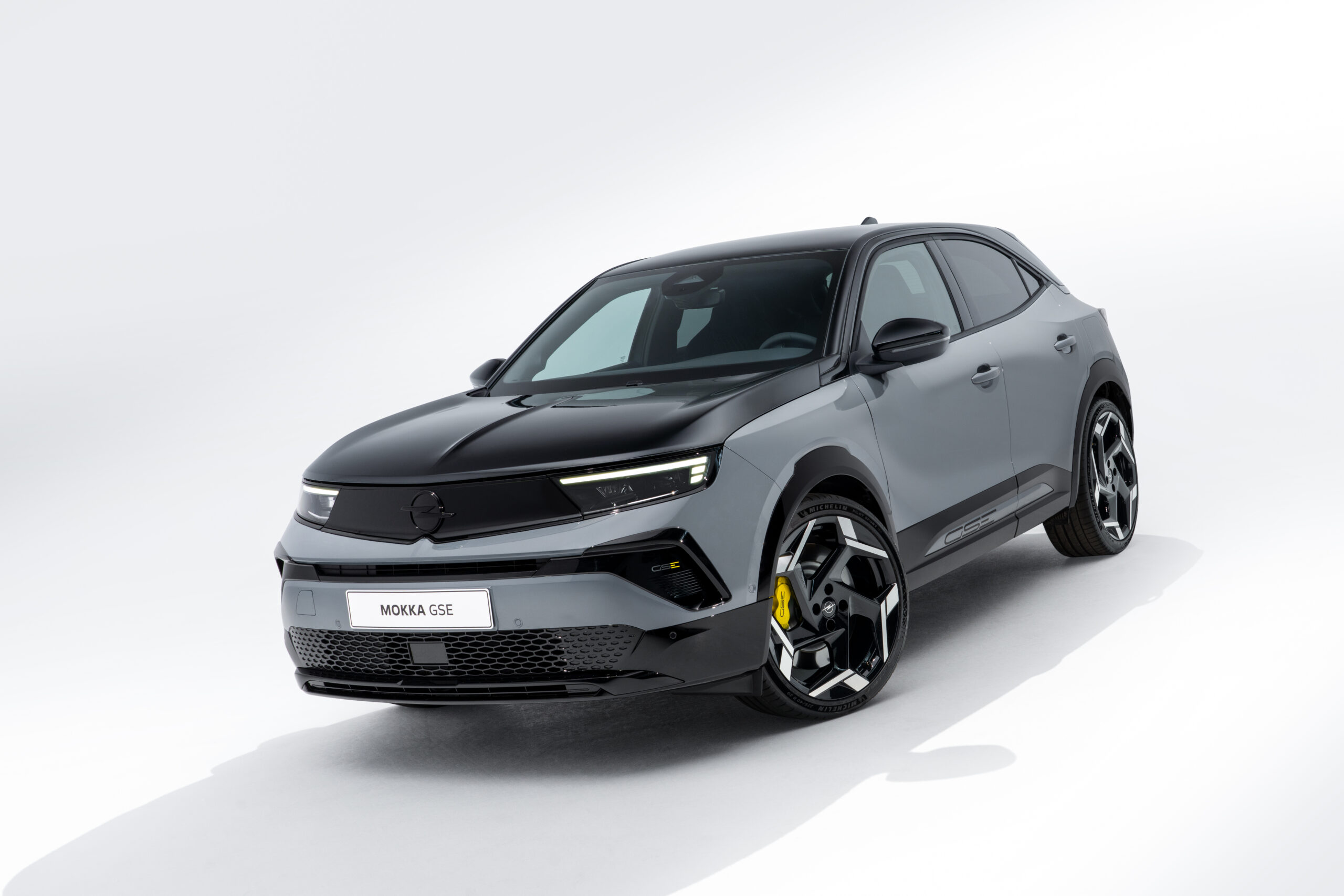
Of course, the European automakers aren’t taking this sitting down. They’ve also unveiled a slew of new products in Munich. Opel showed off this all-electric performance version of the Mokka crossover, called the GSE. It boasts 281 horsepower, or 207 kilowatts and 254 pound feet of 345 Newton-meters of torque. It’ll do 0-100 kilometers an hour in 5.9 seconds. But it has a kind of small battery, only 54 kWh, and it’s pricey: over €47,000 or more than $55,000.
RENAULT LAUNCHES ALL-NEW CLIO
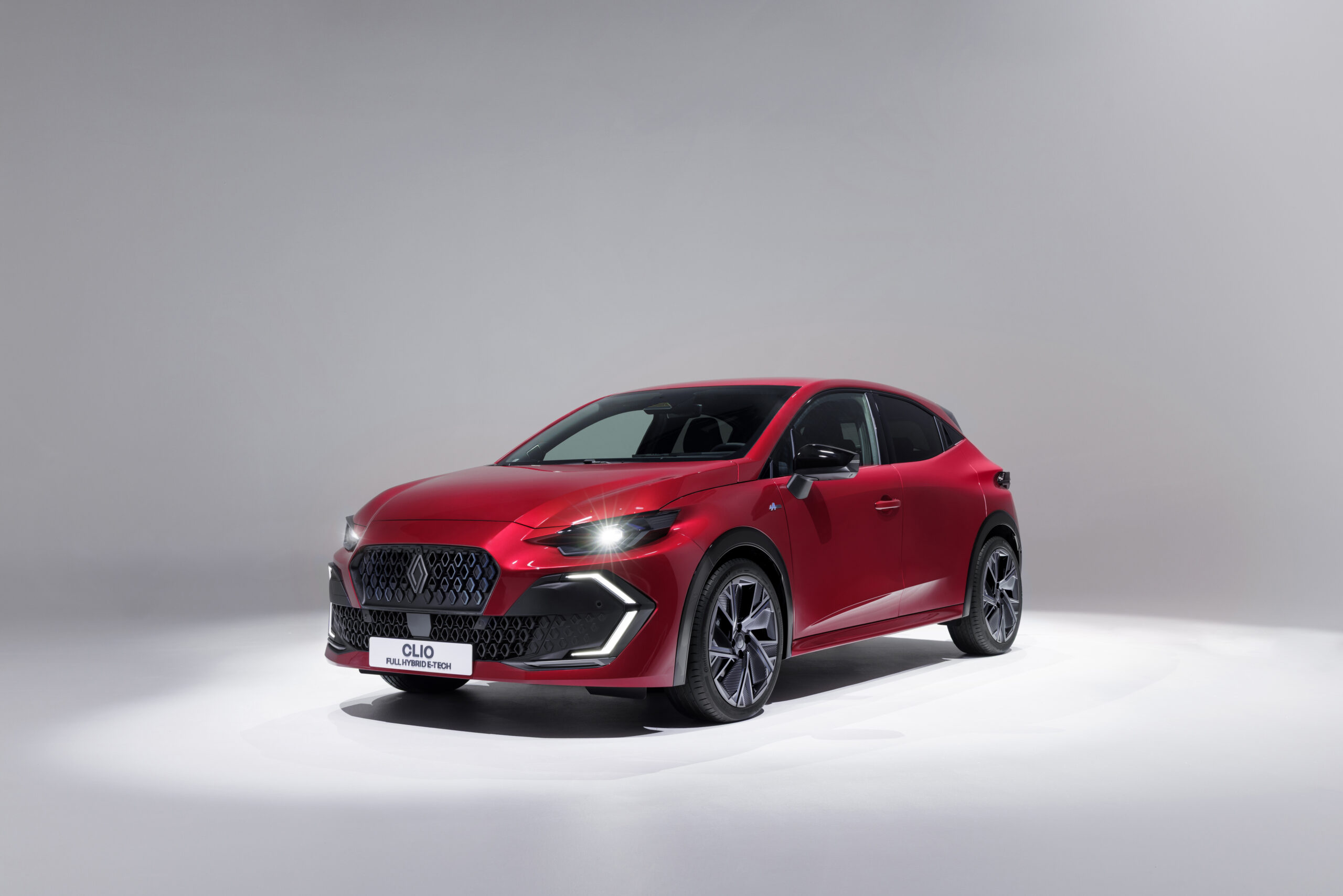
Renault faked us out a little bit. What we thought was a teaser of the new Clio is actually the current car. But it officially revealed the new version of the hatchback, which has a more open grille front end and new lighting. While the side profile is very similar, the new Clio is actually longer, wider and taller than the outgoing model. Interior styling and tech are also brand new. The two 10-inch screens are standard across all models and the infotainment features Google built-in. Under the hood is a new lineup of powertrains as well. There’s two 1.2L 3-cylinder options that put out either 115- or 120-horsepower or the top-of-the-line option is a new full hybrid setup from Horse Powertrain, the ICE joint venture between Renault and Geely. It combines a 1.8L 4-cylinder engine with a two-motor hybrid and a 1.4 kWh battery pack. It acts almost like an EREV where the engine can drive the wheels on its own or in combination with one of the electric motors or it can help charge the battery or the Clio can drive on EV-only power. Renault says the new Clio will be available for order before the end of the year.
CUPRA TINDAYA CONCEPT HEADED FOR PRODUCTION
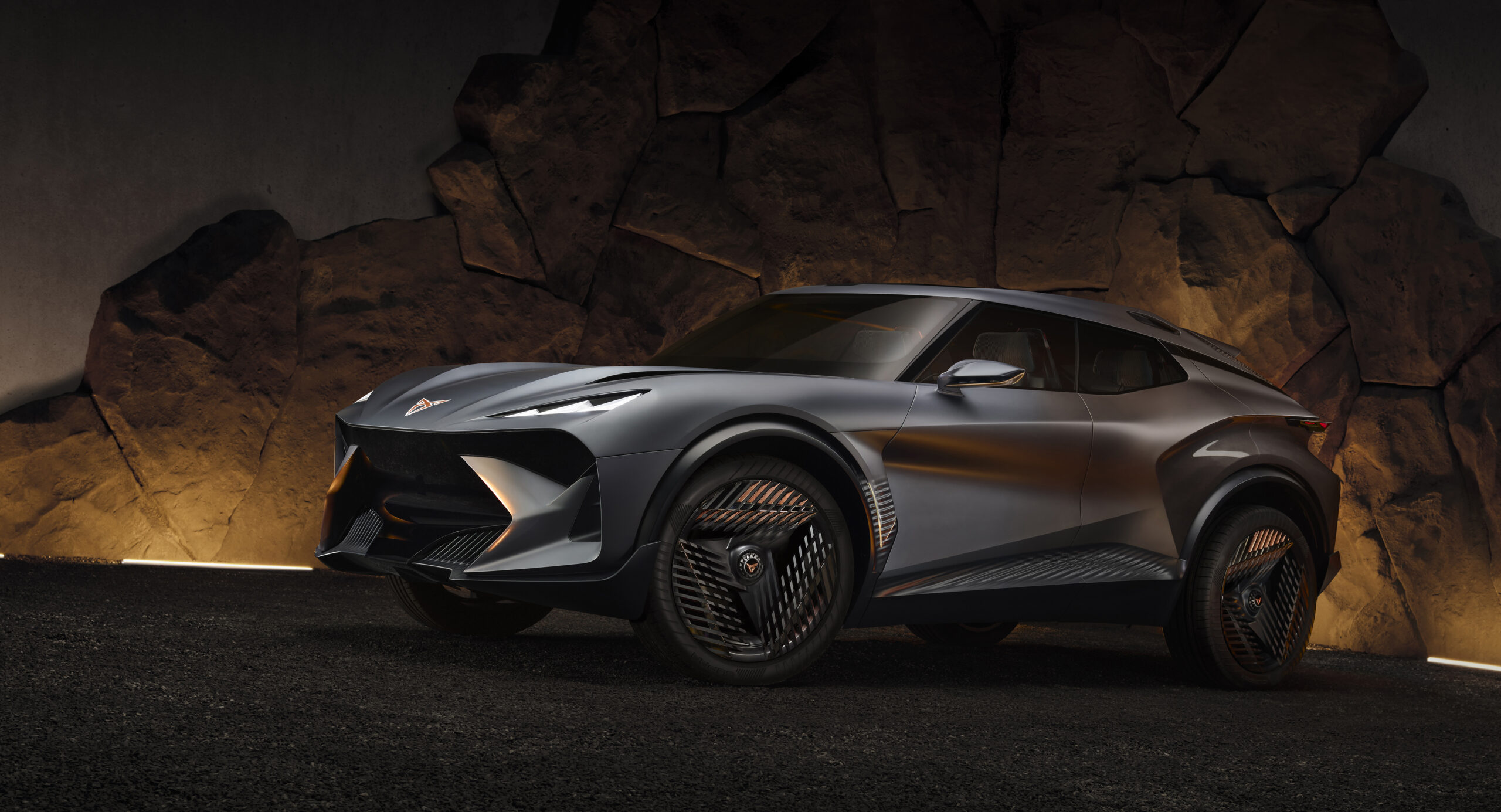
Right on the heels of the Raval teaser, Cupra revealed another new model, a concept called the Tindaya. While the crossover features some pretty dramatic styling, the interim CEO of the brand says the Tindaya “is not a dream, not even an ambition. This is our CUPRA statement, and it’s going to be a reality.” If it does become a reality, I’ll be interested to see how much of the design carries over. Cupra also announced it’s considering getting into the Middle East market as well as expanding outside the automotive world into fashion, accessories, colognes and perfumes.
SKODA HINTS AT FUTURE DESIGN WITH STATION WAGON CONCEPT
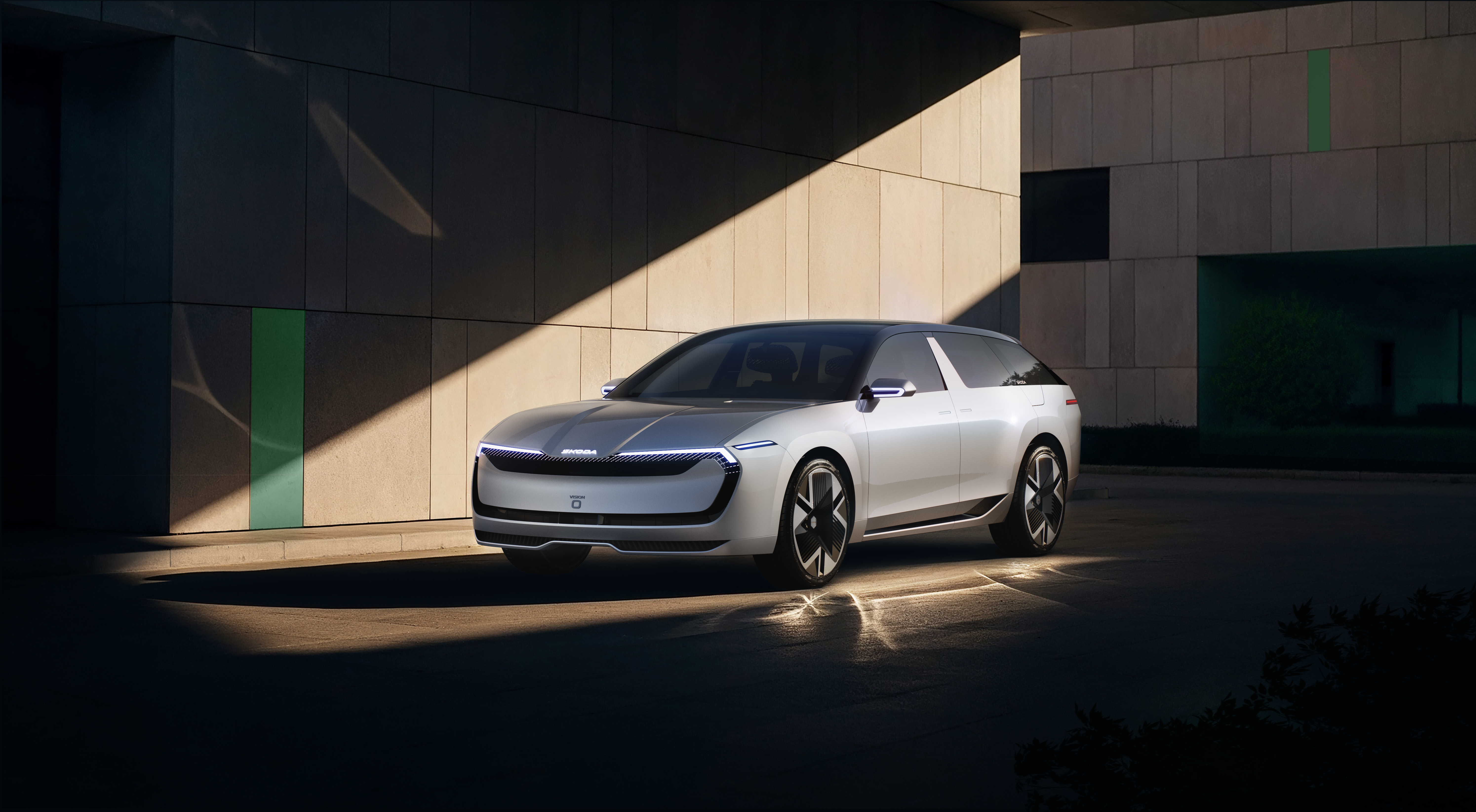
Speaking of concepts from VW Group brands, Skoda pulled the wraps off the Vision O. We showed you teasers of this new station wagon the other day, but now we get to see in much greater detail. Skoda says the Vision O is still just a concept, but that it demonstrates how its lineup could evolve in terms of design, technology, and user experience. There’s also a good chance a station wagon will continue to be a part of that future. Skoda says it had 3.6 million reasons to design the Vision O, which is how many people have bought Skoda station wagons since 2016.
HYUNDAI REVEALS 1ST COMPACT EV
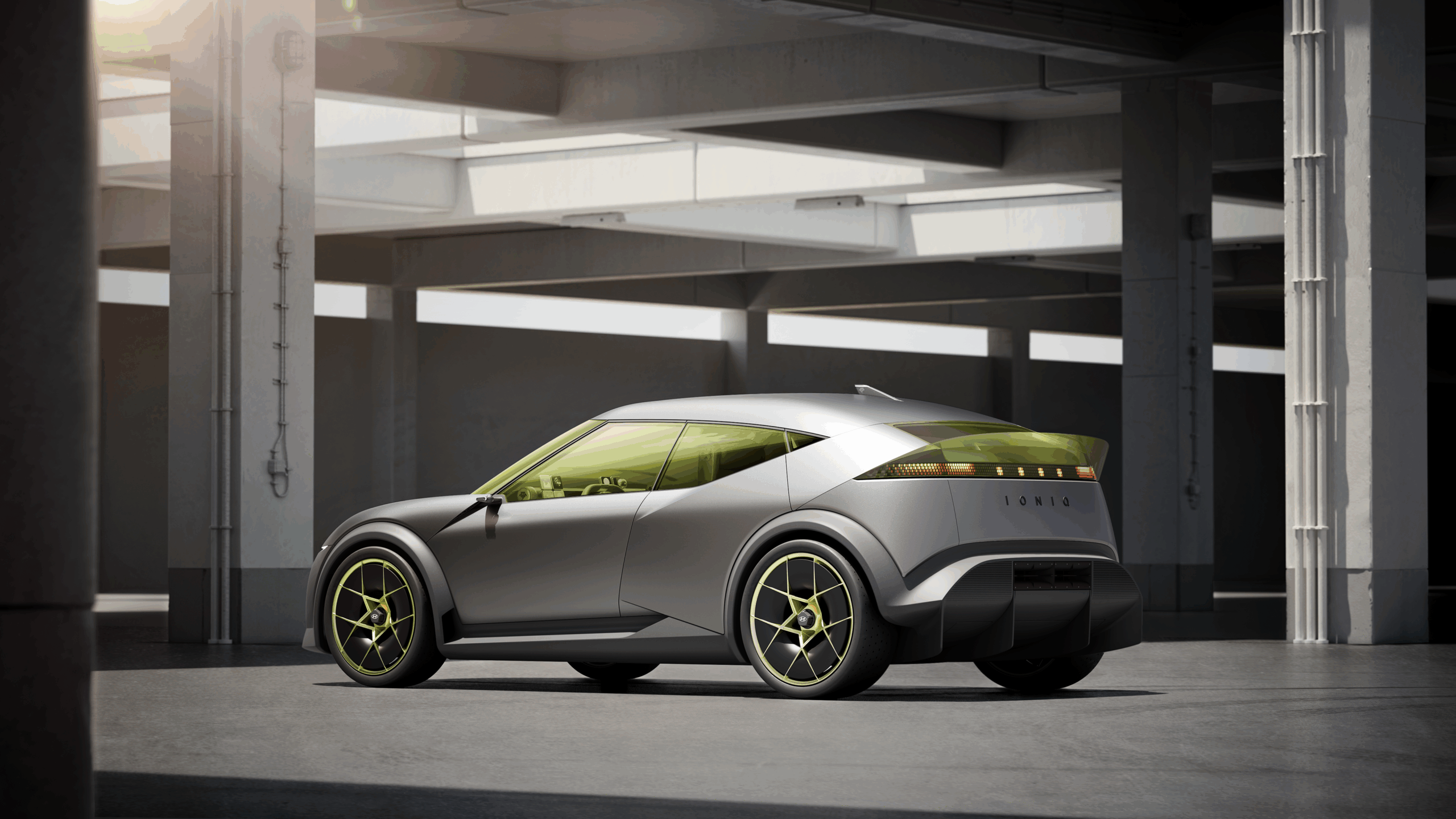
As we said yesterday, forecasts predict that the small electric car segment in Europe will be around 4 times bigger than it is today by 2033. So, to keep up with the Chinese and likes of VW and Renault, Hyundai debuted its first compact EV, the Concept THREE. The model is styled like a hot-hatch and to me it looks like a modern interpretation of the Veloster. But Hyundai’s success in the European small EV segment could depend when it hits the market. The company says it plans to have an electrified version of every model in Europe by 2027.
VW TO INVEST €1 B IN AI TO SAVE €4 B
Some worry that AI is going to take over the world. But Volkswagen is turning to AI to cut costs. It’s going to invest up to a billion euros in AI by 2030 and will integrate it across its entire business, including vehicle development and production. But for the billion dollar investment, VW believes the technology will save it up to 4 billion euros by 2035.
MERCEDES EQS DRIVES 1,207 KM ON SOLID STATE BATTERIES
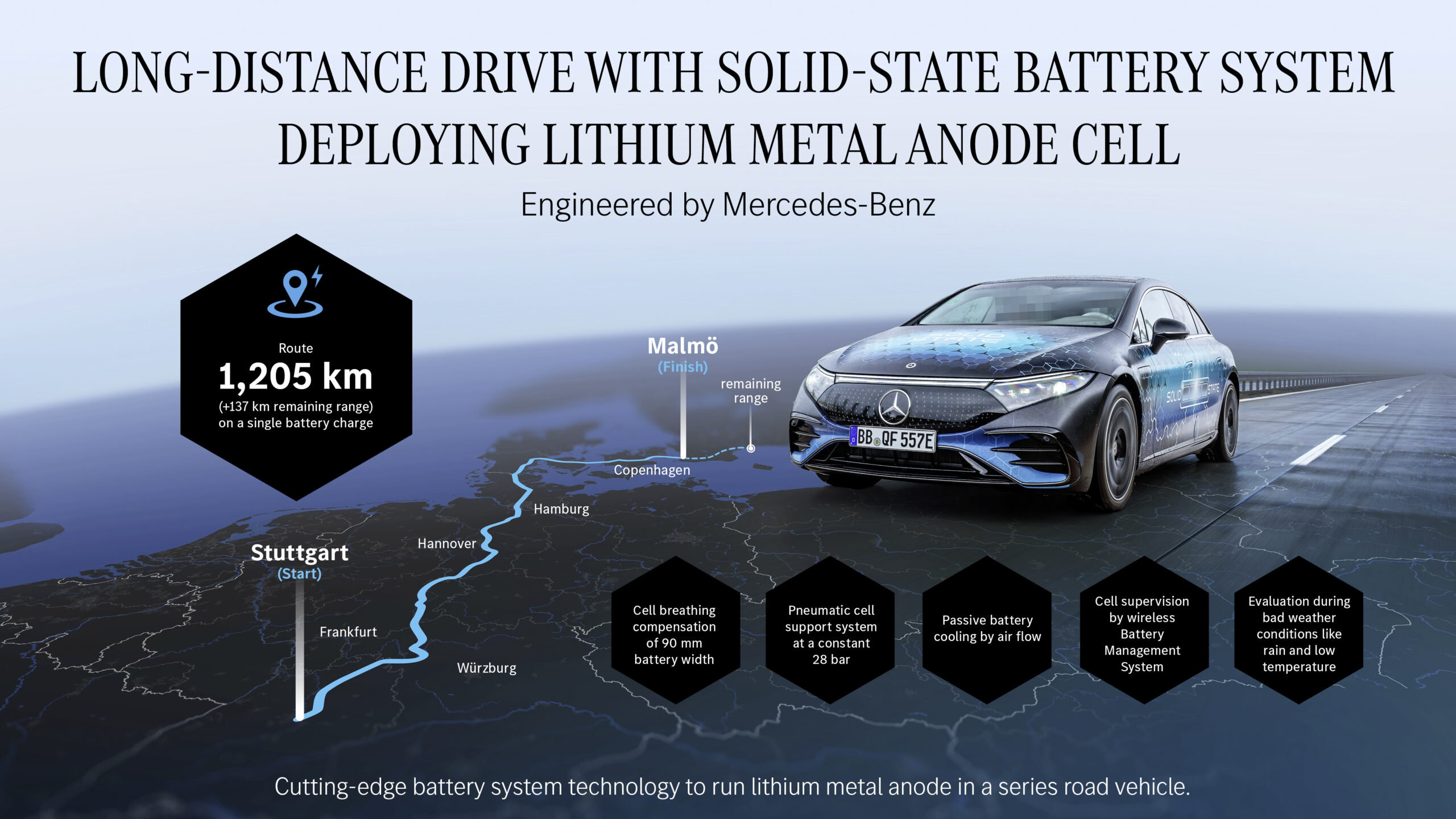
Many believe that solid-state batteries will revolutionize the EV segment and Mercedes just successfully completed a long-distance test using batteries from Factorial Energy, which is based in the U.S. in Massachusetts. An EQS sedan drove 1,205 kilometers or nearly 750 miles from Germany to Sweden without having to recharge. While it didn’t say how fast it drove, the EQS still had 137-km or 85 miles of range left after completing the trip.
DUCATI MOTORCYCLE FITTED WITH SOLID STATE BATTERIES
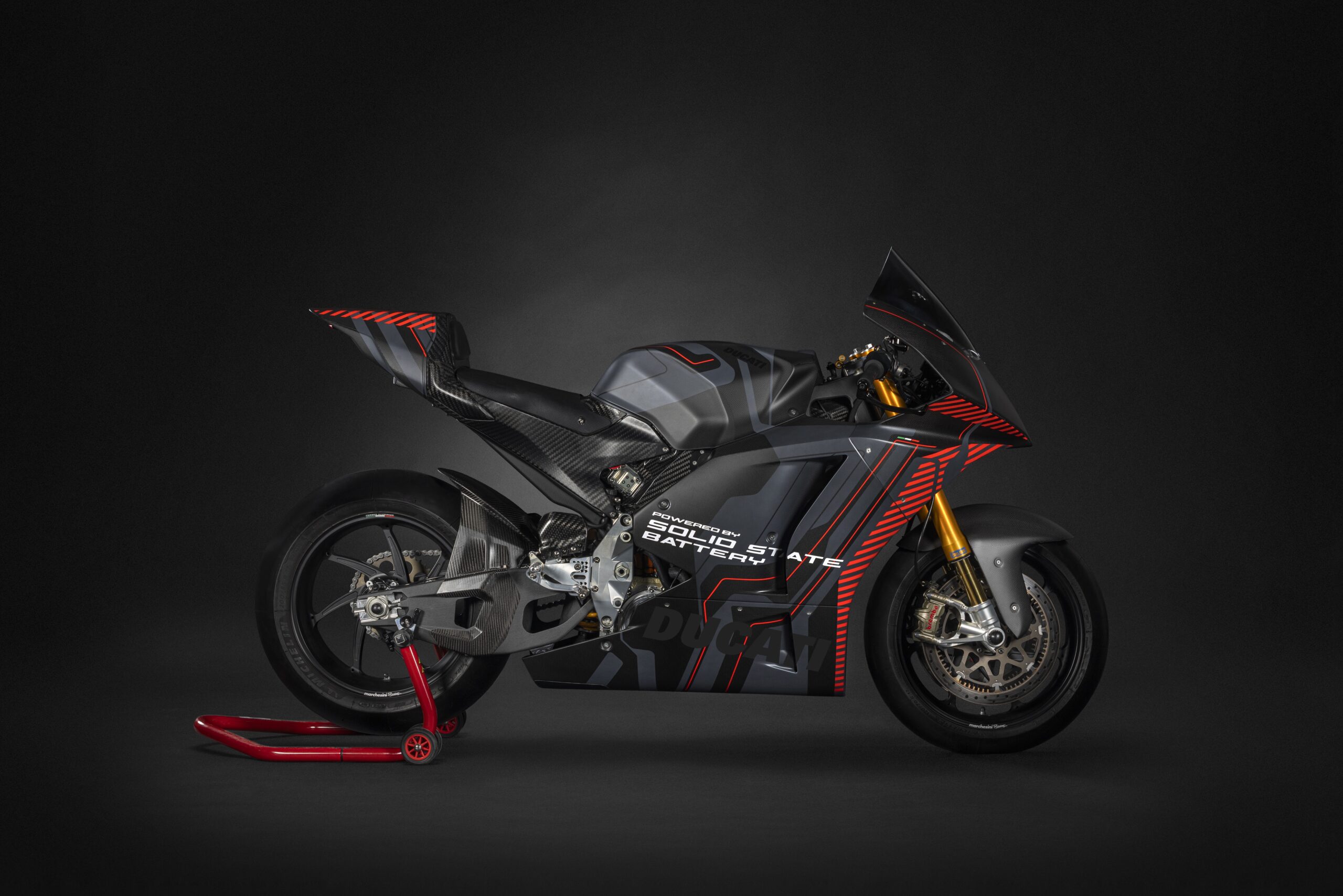
And solid-state batteries aren’t just for cars. QuantumScape and PowerCo, the battery company of the Volkswagen Group, just showed off their solid-state batteries in a Ducati race bike. QuantumScape says its batteries can charge from 10 to 80% in just 12 minutes and have an energy density of 844-Wh/L, compared to advanced lithium batteries that top out around 700Wh/L.
FORD MAVERICK & TRANSIT CONNECT TO SHARE SAME PLANT
We’ve got some intel here on future products from Autoforecast Solutions. Ford is going to bring out the next generation of the Maverick in August of 2028. Last year Ford sold over 162,000 of them, with about 22% of those sold outside of the U.S. But the plant that makes the Maverick, in Hermosillo, Mexico has a production capacity closer to 300,000 units a year. So Ford is going to move the Transit Connect into that plant in 2030. We think that means the Transit Connect is coming back to the U.S. after leaving in 2023. And we can only assume that both the Maverick and Transit Connect will then share the same platform. Right now the Transit Connect for Europe is made on VW’s MQB platform.
EVs WILL HIT 50% U.S. SHARE BY 2039
Trump Administration’s anti-EV policies are going to cripple EVs sales in the U.S. According to a new forecast by EY, fully-electric vehicles will only account for 11% of U.S. sales in 2029, up from 8% last year. But things start to change after that. EY says EVs will account for half of all car sales in the U.S. by 2039. And it predicts that Europe will hit 50% BEV market share by 2032 and China will hit it the following year. Yes, that’s right, Europe will hit 50% EV market share before China. EV share in China right now is 31%. It only exceeds 50% if you include PHEVs and EREVs.

We’ve got a newsworthy Autoline After Hours coming up on Thursday. Sandy Munro will be on the show and he’s got a significant announcement to make. All you fans of Sandy won’t want to miss this one.
And before we sign off, we have to throw out a big bunch of appreciation to our viewers who are becoming Patreon and Youtube members. From a business standpoint, this is a really tough time for automotive media. You’ve probably seen the headlines of the ones that are going out of business, or that are being absorbed into other media outlets. And I want to let you know that your support is tremendously appreciated.
And with that we wrap up today’s report. Thanks for watching Autoline Daily.
Thanks to our partner for embedding Autoline Daily on its website: WardsAuto.com






The description of the Renault Clio hybrid sounds like a regular hybrid system, probably Toyota-like, and a pretty good one. The claimed 3.9 liters/100 km fuel economy equates to about 60 mpg. As far as time running on electric power, I’ve been surprised at how much my ’24 Prius does that. The display shows mpg after each trip, and shows % EV operation. I often see ~70% for low speed trips in town. At high speed, the engine runs most of the time.
The Skoda concept exterior looks OK. It doesn’t wow me, but it is not offensive either. Kind of middle of the road. The interior though, ugh. I guess Skoda didn’t get the memo that minimalism is on its way out now. They probably should not base their future design identity on it. The headrests are proudly made of TPU because who doesn’t want to rest their head on plastic? They made them look like formed chicken wire though. I can imagine the day when these plastic head rests get brittle with age and fail causing great discomfort for the occupants.
I like the smooth styling of the exterior of the Skoda wagon, but the slapped on tablet dash makes it look like an aftermarket afterthought that they got from the JC Whitney catalog. How this trend ever got started I will never know. All I know is that a tablet hanging off the dashboard crosses that vehicle off my shopping list immediately. Its also a good bet that the vehicle has several key controls in that tablet that I would rather have as buttons or stalks.
The Bronco Sport is also made in Hermisillo along with the Maverick.
Well 50% EVs by 2039 at least sounds more realistic than the 100% by 2035 that was originally expected. And hate to say it but the Trump administration has little to do with it. The interest just wasn’t there. He will be out of office in 2028 11 years before this garbage prediction. So although his policies may slow things a little that’s only 4 years of the 14 year span they’re talking about. If the real interest is there things should bounce back in 2029. I don’t believe they will because I still don’t believe EVs are a 100% replacement for ICEs. If they get to 50% without much more improvement I’d say that’s tapped out. Resolving even the charging time and range I’d say 80% is generous. The ICE will be around for many more years.
GM Veteran, the slapped on tablet trend was started in about 2017 by Tesla with the Model 3.
An EV will work as a 2nd, commuter car for about 90% of people with home charging, but will work well for about 0% of people without home charging, except those who have free or cheap charging at work. As an only car, an EV car works for those with home charging who never take long trips, or don’t care about “making good time” on trips. Anyway, 50% by 2039 sounds reasonable.
As far as the tax credits, I know two people who have bought EVs recently to “beat” the credits going away. We’ll see what happens to sales after they are gone.
I know I’ve mentioned here before, the parking garage here at work has several EV spots with free charging, and with only a 6 mile commute and home charging potential, an EV would be ideal for me. I would keep another vehicle for long distance travels, but another option would be to rent when going out of town once or twice a year. i am not ready to trade yet though; I won’t make it in time to get the tax credits, but maybe I’ll eventually get one of those cheap used EVs.
Would that count towards the 50% if I buy used in a few years?
The thing with the Solid-state battery in the EQS tester, is that it nearly doubled the range of the current of a production model. With tester’s pack being the same size and power of the production battery, that would mean future versions with a solid-state battery could one with half the size and power to travel the same distance as the current production model! This would save both weight and the time needed for a full charge! The down side is that, as with all new tech, it will be expensive in the beginning and therefore the cost of smaller battery may still come in about the same as the current one! Yet, with economies of scale, with the battery pack being smaller, Mercedes may be able to get the same pack into smaller models and find saving there.
Supply and demand will set the EV price. Some of us have suspected that a subsidy inflates the selling price. Without a subsidy, product price-performance rules and marginal ones go to recycling.
My strongest expectation is used EVs will become even more affordable.
Would higher transaction prices for new EVs with the tax credits gone make used prices go down? I’d expect them to go up. I guess we’ll find out.
I believe the subsidies are just like tariffs. It helps the manufacturers cause they can ask more money knowing the consumer will get $7,500 in incentives. Take them away and the manufacturers will likely lower prices to maintain sales.
The manufacturers can only lower prices for so long, or they will all go bankrupt. Walmart can probably “eat” the tariffs longer, because their profit margin is fairly high on many products, but that is not the case for most car companies.