




Follow us on social media:



Runtime: 9:29
0:00 Subprime Defaults Hit All-Time High
0:55 Solid-State Batteries Getting Overhyped
1:59 F1 Team Values on the Rise
2:41 Toyota Starts Production at New Battery Plant
4:27 VW Could Use Rivian Architecture for ICEs
5:12 Apollo Go Robotaxi on Profit Path
6:04 Waymo Expanding Onto Freeways
6:34 China Considers Vehicle Acceleration Limit
7:15 Horse Powertrain on Autoline After Hours
Visit our sponsors to thank them for their support of Autoline Daily: AlixPartners, CSP and Intrepid Control Systems.




This is Autoline Daily, the show dedicated to enthusiasts of the global automotive industry.
SUBPRIME DEFAULTS HIT ALL-TIME HIGH
Uh-oh, here’s something we need to keep an eye on. Subprime car buyers in the U.S. are defaulting on their car loans at record rates. According to Fitch Ratings, the number of subprime buyers who are behind on their car payments by 60 days or more, hit an all time record. Subprime buyers are those with low credit scores. They’re considered high risk and have to pay higher interest rates. We saw a similar situation during the Great Recession in 2009, but at that time subprime buyers were giving up their home before they gave up their car, so some things have changed. The good news is, there’s no problem with car buyers with good credit scores. Only a fraction of a percent of prime buyers are behind on their loans.

SOLID-STATE BATTERIES GETTING OVERHYPED
Are solid-state batteries getting too much hype for being the next big breakthrough in battery technology? At a recent battery conference in China, several high-level experts and executives threw cold water on the idea that fully solid-state batteries are right around the corner. A number of automakers, including Toyota, say they’ll debut the tech around 2027 or 2028. While the experts agree with this timeline, they predict it will only be on a small scale. According to them, mass-production won’t start until after 2030, maybe closer to 2035 because there’s still a lot of R&D work that needs to be done. Even semi solid-state batteries, which use a mix of solid and liquid electrolyte and are just hitting the market, may not see widespread availability until the end of the decade. But these batteries still offer a number of benefits and we will see them in more cars. However, it might not be as soon and/or on the same scale we expected.

F1 TEAM VALUES ON THE RISE
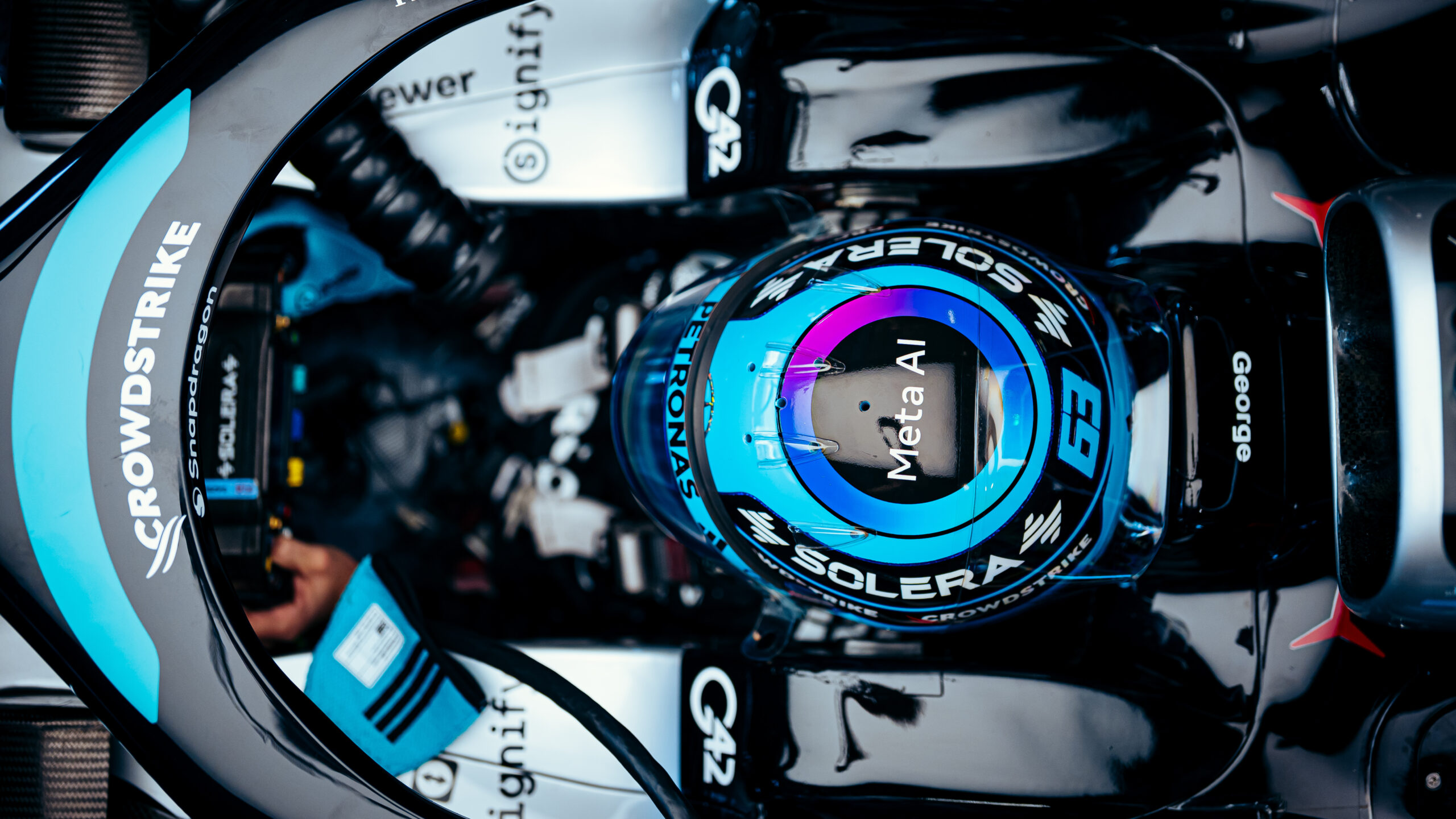
The value of Formula 1 racing teams is skyrocketing and some are looking to cash in. Aston Martin recently sold a stake in its team that valued it at $3.2 billion. McLaren also sold a stake in its team, which valued it at more than $4 billion. And now Mercedes’ F1 CEO, Toto Wolff, is looking to sell 5% of the team to CrowdStrike Holdings, which is a cybersecurity company that sponsors Mercedes. The team is being valued at a record $6 billion but the deal isn’t finalized yet and could still fall apart according to a person familiar with the discussions.
TOYOTA KICKS OFF PRODUCTION AT NEW U.S. BATTERY PLANT
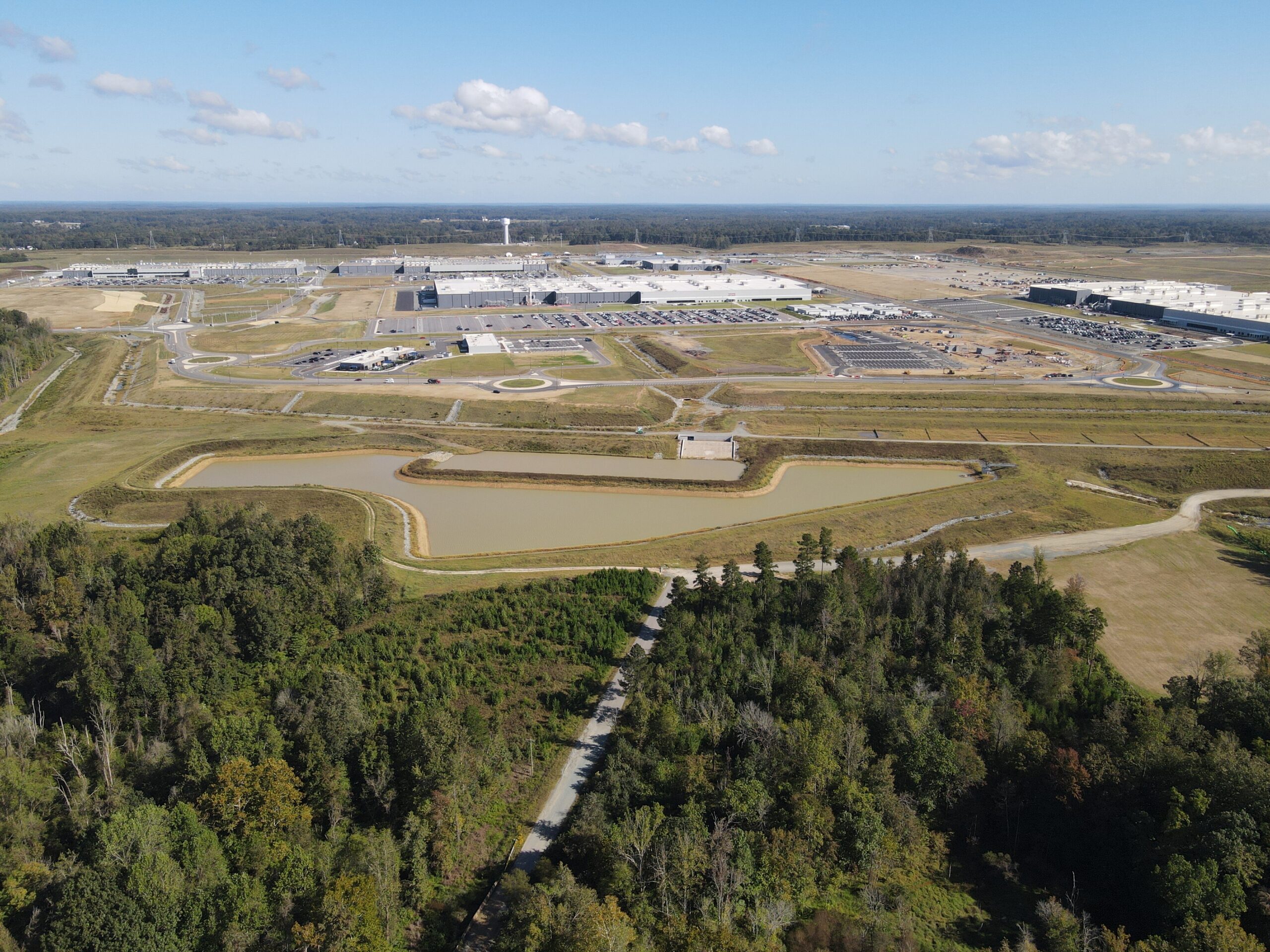
Toyota just kicked off battery production at its new plant in North Carolina, its first battery plant outside of Japan. The nearly $14 billion facility has 14 production lines with an annual capacity of 30-GWh. It will make lithium-ion batteries for hybrid, plug-in hybrid and fully-electric vehicles. And as part of the plant opening ceremony, Toyota announced it plans to invest an additional $10 billion over the next five years in the U.S. It didn’t say where or what that investment will go towards, only revealing it will support its “future mobility efforts.”
VW COULD USE RIVIAN ARCHITECTURE FOR ICEs
Volkswagen says that the zonal electronic architecture it’s getting from Rivian could also end up in its ICE cars. That tech will first appear in Rivian’s R2 crossover that comes out early next year, while VW’s first application will be with a roughly €20,000 compact EV, which starts production in 2027. However, VW wants all its vehicles, no matter what powertrain, to be based on common platforms with a common electronic architecture. So the tech will likely spread across its entire lineup, including Audi and Scout. RV Tech, which is the name of the joint venture between VW and Rivian, says other automakers might want to buy this zonal architecture, too.
APOLLO GO COULD TURN PROFIT THIS YEAR
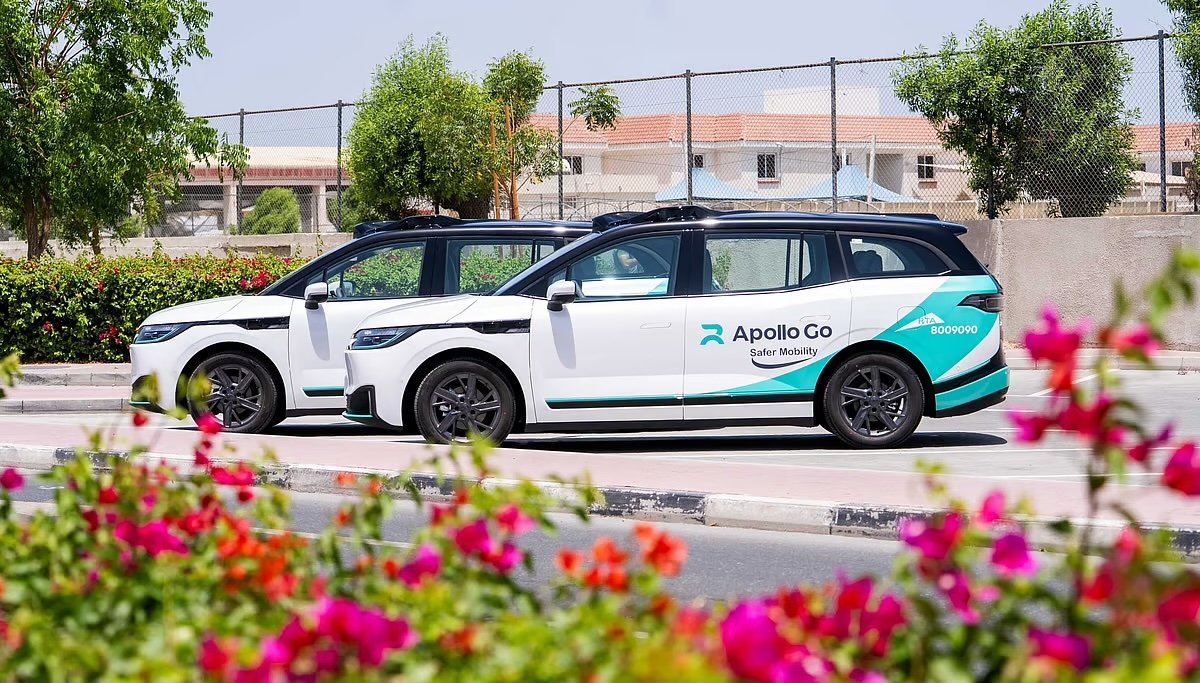
Autoline After Hours co-host Gary Vasilash disagrees with us that 2025 is the year of autonomy and the robotaxi, but we keep seeing significant developments in the segment. Baidu, which is sometimes described as the Google of China, says that its robotaxi service, Apollo Go, saw a nearly 50% increase in the last three months and is now giving 250,000 driverless rides a week. Globally, it’s given out 17 million rides. So, at this current pace Apollo Go is expected to start turning a profit before the end of the year. Reducing the cost of its robotaxis also helped in that area. Its new 6th-gen vehicle has a price tag of about $28,500 and its 7th-gen vehicle is said to cost under $20,000.
WAYMO EXPANDING ONTO FREEWAYS FOR THE 1ST TIME
In other robotaxi news, Waymo announced it’s expanding in California and that it will also start operating on the freeway for the first time. It says the freeway rides will kick off in San Francisco, L.A. and Phoenix, but that it will expand over time. While Tesla’s Robotaxi service isn’t as expansive as Waymo’s, Tesla had already expanded onto the freeway in Arizona. So, no doubt Waymo didn’t want Tesla to have those bragging rights for very long.

CHINA CONSIDERS VEHICLE ACCELERATION LIMIT
Many modern cars, especially EVs, have tremendous low end torque, which gives them very quick acceleration. But that can be too much for everyday motorists to handle. So China is floating the idea of limiting how fast cars can accelerate. It’s considering regulation that would limit 0 to 100 kilometers an hour to 5 seconds, which we would argue is still pretty quick. But there’s still an option for speed junkies. The 5-second limit would be the default setting on cars. So, if you wanted to go faster you’d presumably be able to choose a performance setting.
Should GM, Ford and Stellantis outsource their engines and transmissions? That’s what the late Sergio Marchionne proposed. The former CEO of Fiat-Chrysler said they all spend billions developing powertrains that are almost identical, and that 90% of car buyers don’t care what’s under the hood. Sergio said the Detroit Three could free up billions in capital that they could invest elsewhere. Years later, Renault spun off its powertrain ops into a startup called Horse and shortly afterwards Geely joined Horse. Then we were surprised to learn that Horse has opened an office in Detroit and so we invited Thomas Lewis from Horse to join us on Autoline After Hours to talk about why they’re in the Motorcity. Jack Keebler will also be on the show, so join John and Gary when it all goes live on the Autoline website and YouTube channel at 3 pm eastern time.
But that’s a wrap for this show and I hope to see you later today.
Thanks to our partner for embedding Autoline Daily on its website: WardsAuto.com






I don’t think SSB are.over hyped for, when they do arrive, they will eventually do what most of the things advertised, yet it does seem they are taking forever to get here! That is both a good and bad thing. First the bad, its taking what seems like forever! The good thing is that, it demonstrates that there is a lot of life left in the current batteries on the market. That means the cost of investment and the continued drop in prices of today’s battery tech will continue to fall. While those price drops have yet to really reveal themselves in the cost of EVs today, that train is moving. IMHO, SSB will really mark there mark of smaller/subcompact/compact mass market vehicles. Even though they will be more expensive to start, because they have more range, they will need fewer of them, giving the product, potential longer ranger!
Batteries will continue to get cheaper and better. For now, EVs make no sense for those of us without home charging, but for those with home charging using EVs for commuting within range of their homes, current EVs will serve them well for the lifetime of the vehicles, regardless of what battery advances might happen.
A current EV will not be nearly as “obsolete” in 25 years as a 25 year old Model A was in 1955. Think about it.