




Follow us on social media:



Runtime: 11:27
0:00 Fuel Crisis Drives Global Surge in EV Interest
1:04 Robotaxis Launch Globally Despite New Safety Concerns
2:07 Nissan Says It Can’t Build Low-Cost Cars in U.S.
2:50 Toyota Joins Heavy-Duty Truck Fuel Cell Venture
3:10 Aeva Stock Surges After NVIDIA Partnership
4:42 Mercedes Invests $4 Billion In Alabama Plant
5:33 Mercedes Reveals Updated GLE & GLS Models
6:26 Volkswagen Debuts Redesigned Atlas SUV
7:23 Chrysler Pacifica Launches with Updated Exterior Styling
8:09 Kia Debuts New Seltos & Electric EV3 SUV
Visit our sponsors to thank them for their support of Autoline Daily: AlixPartners, CSP and Intrepid Control Systems.




This is Autoline Daily, the show dedicated to enthusiasts of the global automotive industry.
FUEL CRISIS DRIVES GLOBAL SURGE IN EV INTEREST
The war in Iran is getting car shoppers all over the world to start hunting for EVs, as gasoline prices have hit a painful tipping point. Prices at the pump in South Korea are over $5 a gallon. They’re over $6 a gallon in Australia, and are a crippling $8.65 in France. In fact, some gas stations in France have run dry as motorists rush to fill their tanks before prices go even higher. That’s been a big help for Tesla. Its sales in France tripled last month as customers rushed to get cars that don’t use fossil fuels. The Asia-Pacific region is also showing more interest in EVs. It gets most of its oil through the Straits of Hormuz and it’s been badly affected by the war. The International Energy Agency says this is the biggest supply disruption that’s ever happened.
ROBOTAXIS LAUNCH GLOBALLY DESPITE NEW SAFETY CONCERNS
Robotaxis are popping up in cities all over the world. Here’s the latest. Apollo Go, which is part of Baidu, just launched in Dubai despite the war going on in the region. And We Ride, which is also based in China, just launched its robotaxi service in Singapore. But this driverless tech still has some teething problems. Baidu’s Apollo Go robotaxis suddenly shut down yesterday in the middle of traffic in Wuhan, reportedly due to a system malfunction. And Ford is running into issues with its Blue Cruise hands-free driving tech, which was involved in two crashes that killed three people. The NTSB, or National Traffic Safety Board, says some drivers become too complacent and don’t pay attention when the system is engaged. Ford says that alcohol impairment was a key cause of the accidents. While autonomous tech promises to be safer than human drivers, it isn’t 100% perfect.

NISSAN SAYS IT CAN’T BUILD AFFORDABLE CARS IN U.S.
Nissan says it can’t build affordable cars in the U.S. anymore. The chairman of Nissan Americas, Christian Meunier says it can’t build entry-level cars in the U.S. at the same cost as in Mexico because of the margins. The automaker is lobbying the Trump Administration to lower tariffs on vehicles made in Mexico, so it can take advantage of the lower labor costs. Nissan makes the Sentra and Kicks in Mexico, which are shipped to the U.S. but Meunier says the tariffs on those models are now costing Nissan $2,500-$3,000 per vehicle. Nissan’s vehicles made in Mexico accounted for more than one-third of its U.S. sales last year.
TOYOTA JOINS HEAVY-DUTY TRUCK FUEL CELL VENTURE
There’s still a lot of skepticism about the viability of fuel cells but Toyota announced it’s joining a fuel cell joint-venture with Daimler Truck and Volvo, called cellcentric. The three companies will jointly develop, produce and commercialize fuel cell systems for big trucks and other heavy-duty applications.

AEVA STOCK SURGES AFTER NVIDIA PARTNERSHIP
We’ve created a stock index of automotive stocks from all over the world, including automakers, suppliers and retailers. And we like to track which stock performed the best. Yesterday, the Stock of The Day was a company called Aeva. It was up 13%, closing at $13.16. Aeva is a Silicon Valley company that’s developed 4D lidar and was chosen by NVIDIA to be part of its AV stack.
MERCEDES INVESTS $4 BILLION IN ALABAMA PLANT
Mercedes is making a huge investment into its plant in Alabama. The automaker announced it will invest $4 billion by 2030. That’s a massive investment because Mercedes could build an all-new plant for half that price. That suggests to us it’s planning a big expansion. The plant currently builds all variants of the GLE, GLS and GLE Coupe, as well as all the electric EQE and EQS SUVs. Mercedes also says GLC SUV production will be added to the plant in the next few years. But with such a big investment, we wonder if it will also add engine and transmission production. The Tuscaloosa plant has been in operation for 30 years and the five-millionth SUV recently rolled off the line.
MERCEDES REVEALS UPDATED GLE AND GLS MODELS
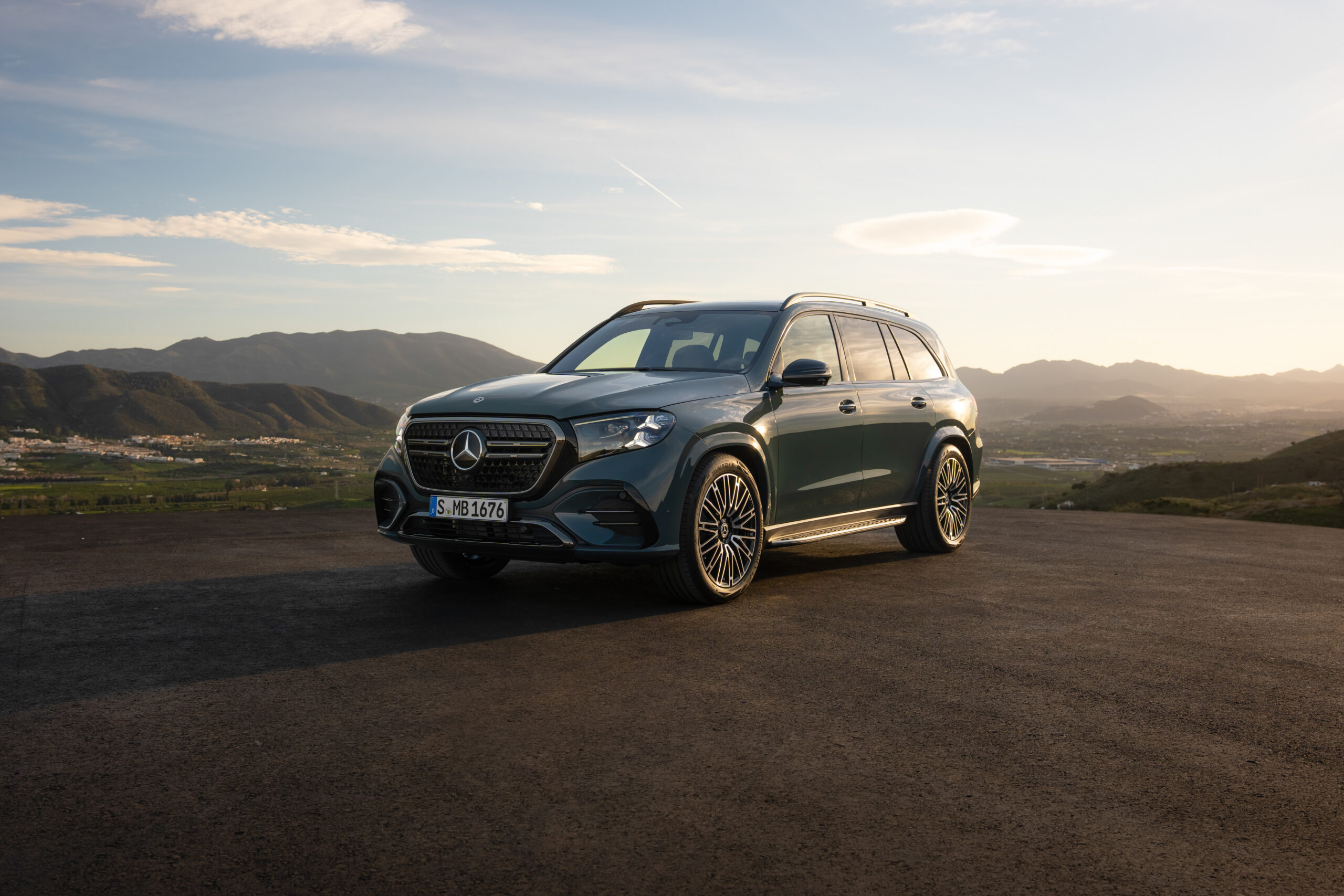
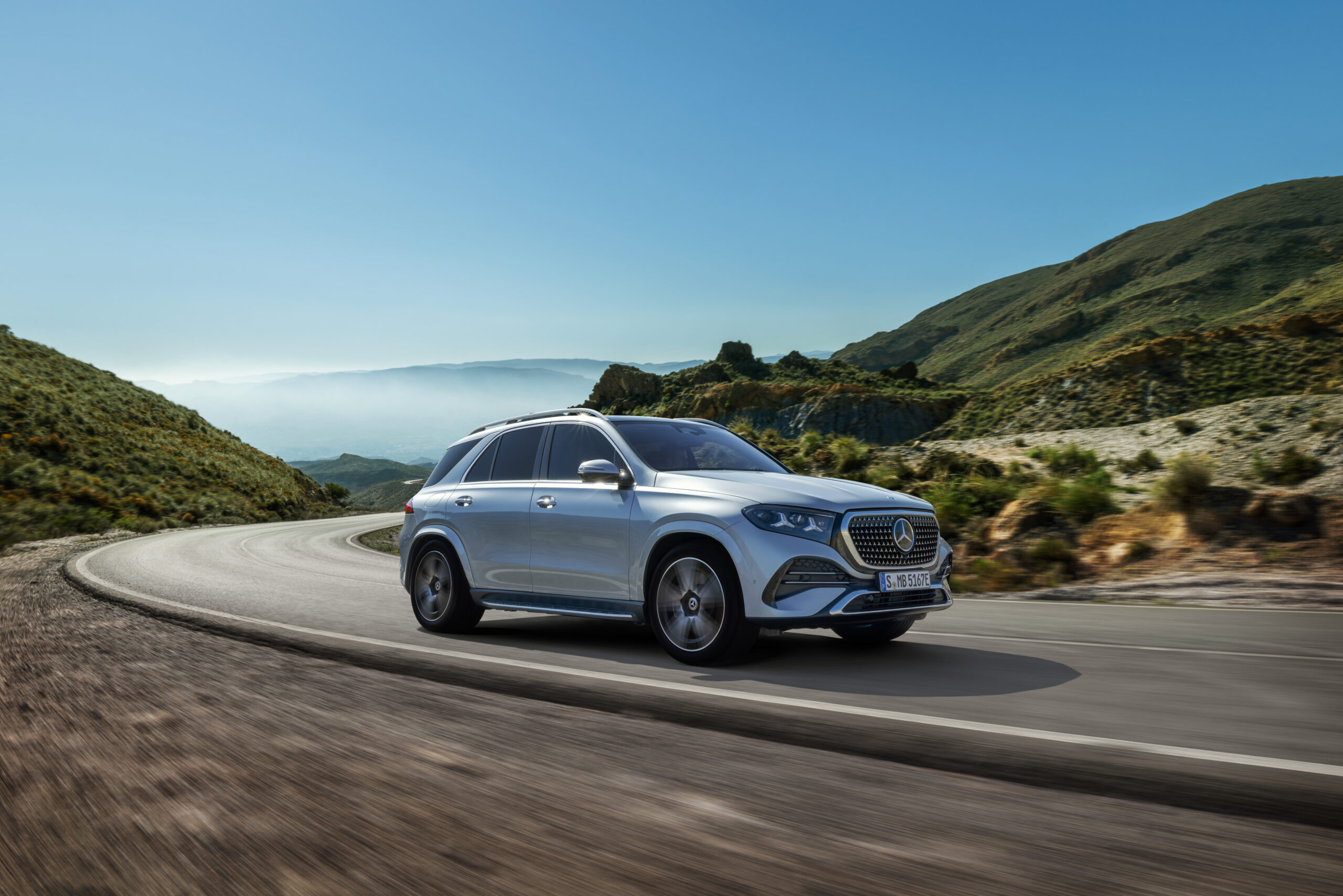
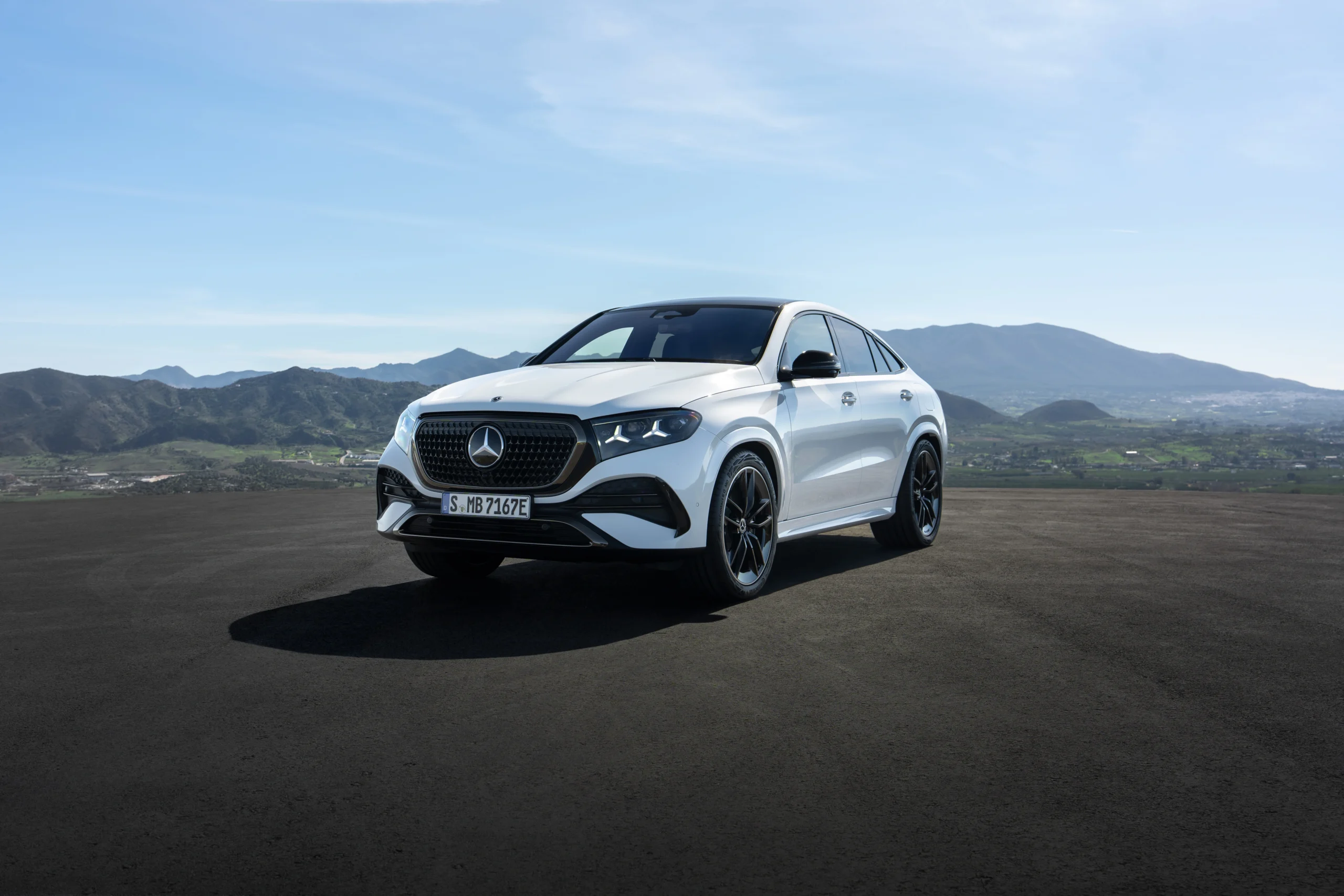
Mercedes also revealed the all-new versions of the GLE and GLS. Let’s start with the full-size GLS. It’s available with three powertrains. Its six-cylinder gas engine has been updated and now has 12% more torque than before. Its V8 was also updated with more horsepower and torque. And two six-cylinder diesels are available. Now, let’s look at the new mid-size GLE. It also features the same six-cylinder and V8 engines and has two diesel options as well. But the GLE will also offer a plug-in hybrid, with an all-electric range of 106-kilometers or 65 miles based on the WLTP cycle. Mercedes updated the GLE Coupe too, which features a wheelbase that’s more than 2-inches shorter than the regular GLE.
VOLKSWAGEN DEBUTS REDESIGNED ATLAS SUV
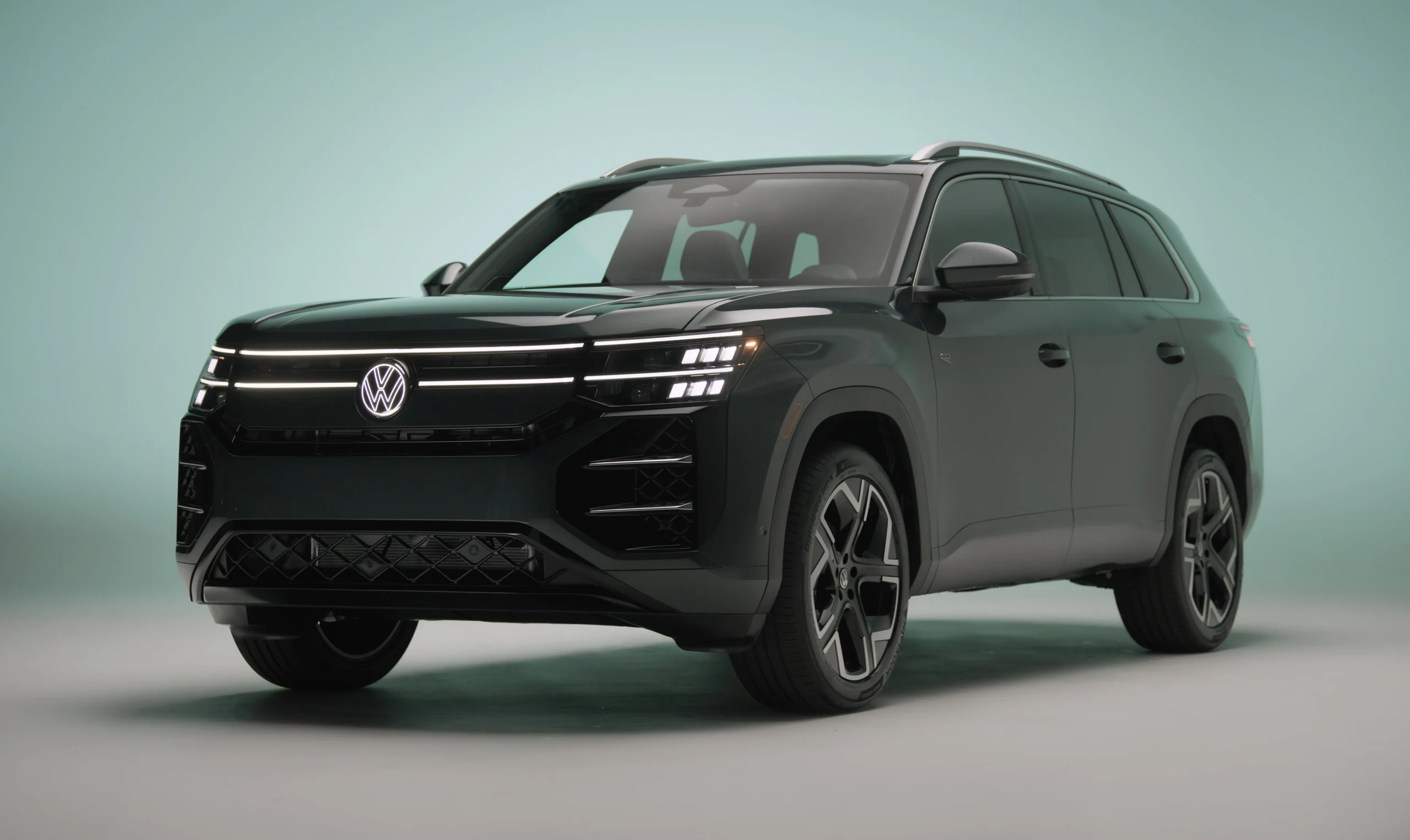
It’s been 9 years since the Atlas first launched and it’s become a very important model for Volkswagen in the U.S. Last year the SUV accounted for 30% of its sales in the region and now it’s coming out with the all-new version. The 2027 Atlas rides on VW’s updated MQB evo platform, which features a more powerful engine and supports the company’s newer software system. That engine is an updated 2.0L 4-cylinder unit, which produces over 280 horsepower, 13 horsepower more than before, and is also expected to return better fuel economy. We think the interior sees the biggest changes though. Highlights include a less cluttered, multi-material dashboard with a flush-mounted digital display for the driver and a floating center screen. The new Atlas goes on sale in the U.S. this fall, but no word on pricing yet.
CHRYSLER PACIFICA LAUNCHES WITH UPDATED EXTERIOR STYLING
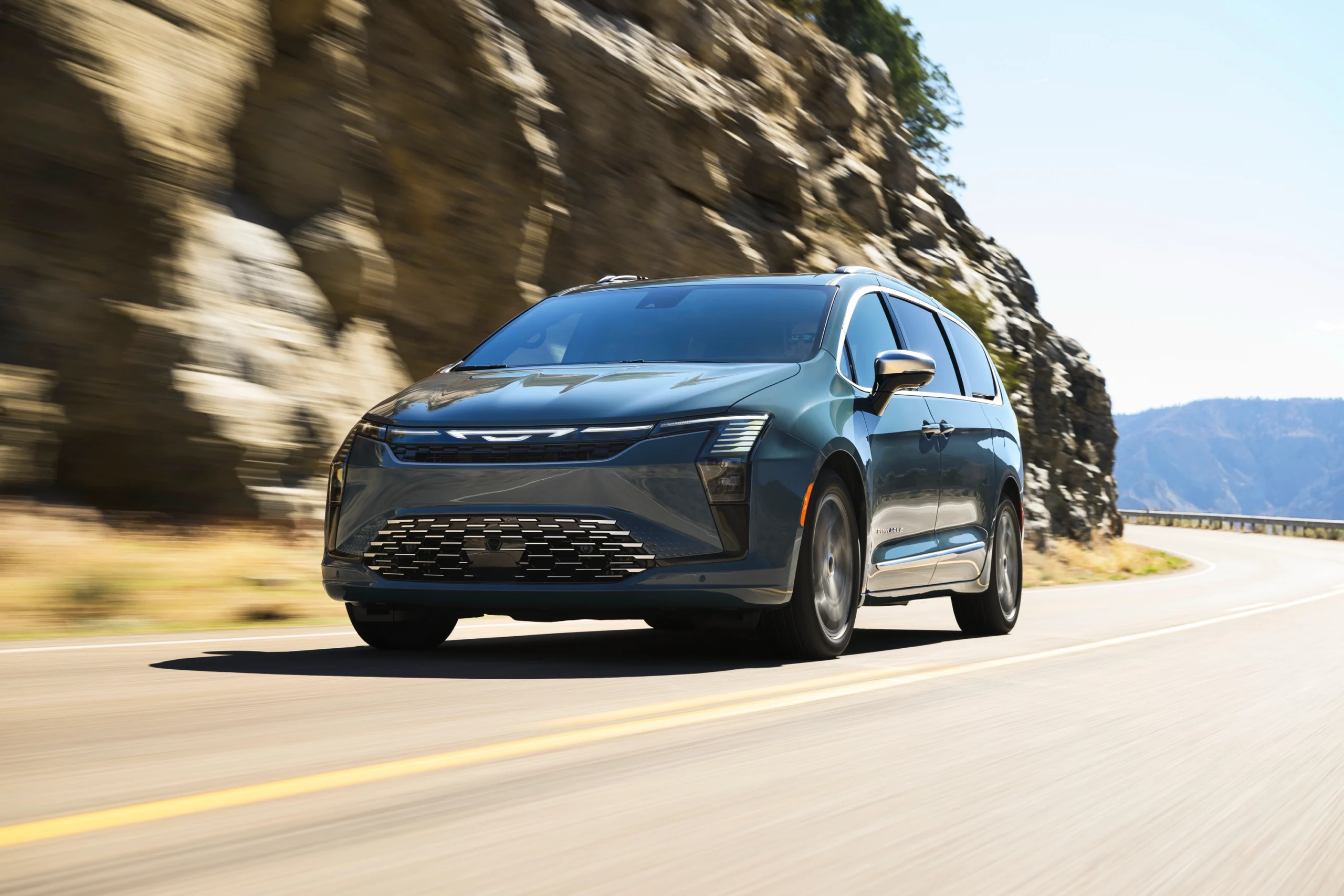
The refreshed Chrysler Pacifica is officially on sale now, but we really don’t have anything new to tell you. That front end, which we’ve shown previously and was inspired by the Halcyon concept, is pretty much the only change, other than wearing the new Chrysler logo. There’s no real upgrades to the interior, it’s still powered by a 3.6L Pentastar V6, the PHEV remains dead and it’s still available with AWD. The brand will also continue to offer the old body style with a few less features for about $43,500, which is roughly $3,000 less than the new model. This trim will replace the Voyager and is called the Pacifica LX.
KIA DEBUTS NEW SELTOS AND ELECTRIC EV3 SUV
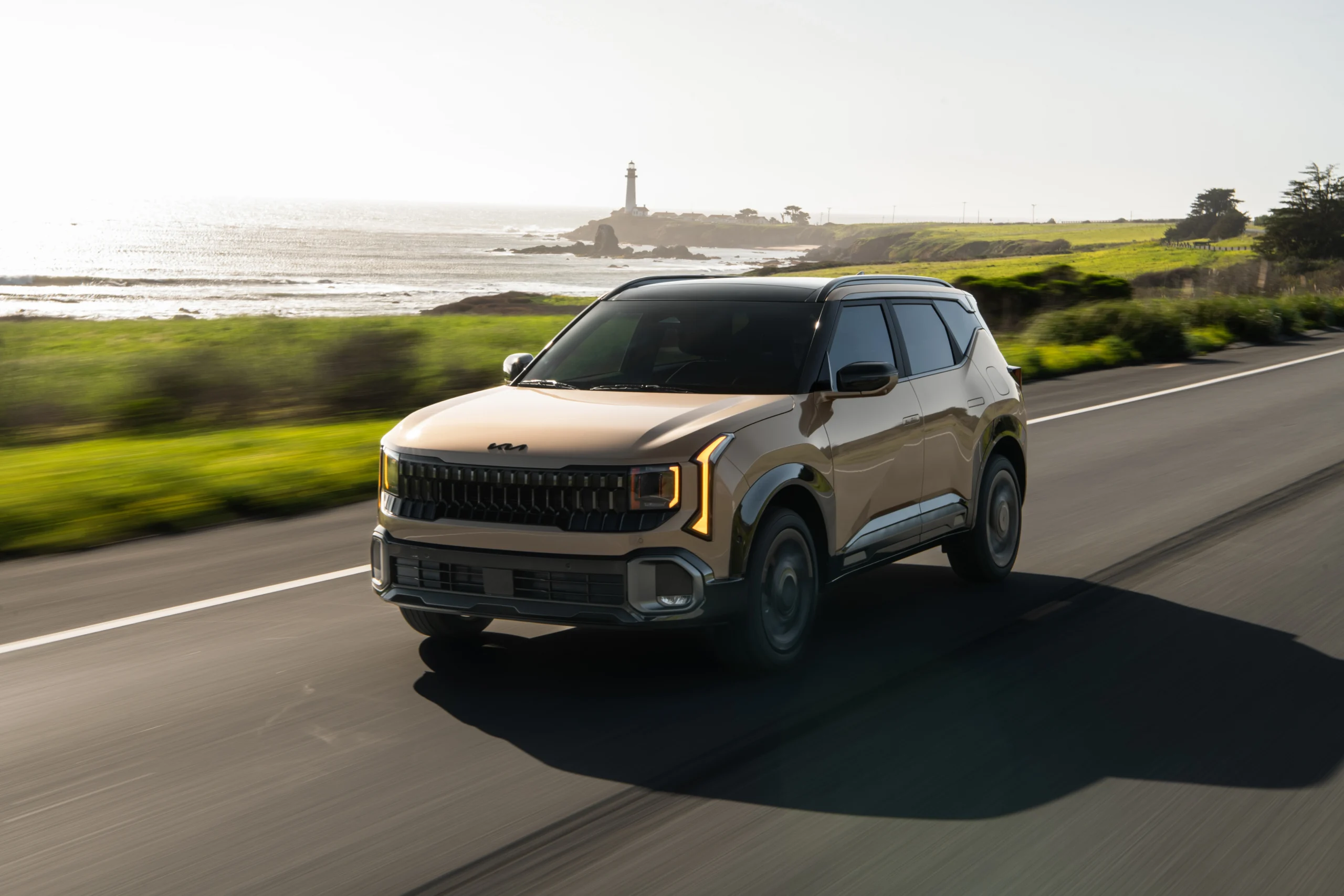
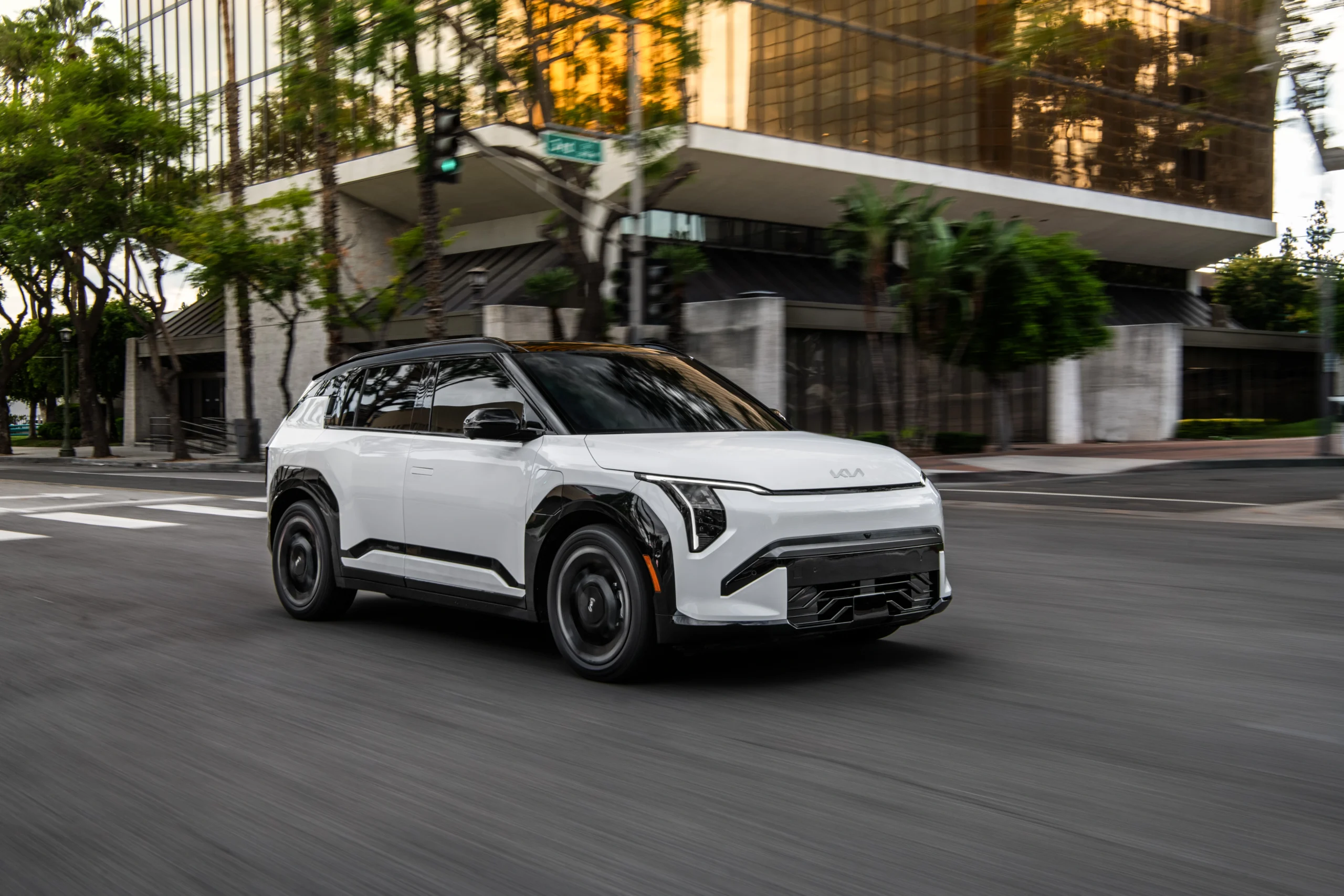
Kia pulled the covers off a couple of new models for the U.S. Let’s start with the Seltos, which is bigger than the outgoing model and is kind of styled like a baby Palisade. There’s three powertrain options; a naturally aspirated 2.0L, a 1.6L turbo that makes about 190 horsepower and comes standard with AWD, and a 1.6L 4-cylinder hybrid. The model also comes with expanded driver assistance features and dual 12.3-inch display screens. Look for the all-new Seltos to start hitting U.S. showrooms in the second quarter of this year. Now let’s shift over to the EV3, Kia’s newest electric SUV that’s supposed to launch late this year. Styled kind of like a baby EV9, it has two battery options; roughly 58 kWh, which returns an estimated 220 miles of range and an over 81 kWh pack that returns up to 320 miles. The smaller pack is only paired with front-wheel drive, but no power outputs were given. AWD versions produce either 261- or 288-horsepower, depending on the trim. Other highlights include a NACS charging port, bidirectional charging capability and like the Seltos, the EV3 also comes standard with dual 12.3-inch displays. Sales kick off in the U.S. late this year, but no word on pricing yet.
But that’s a wrap for today’s show. Thanks for making Autoline a part of your day.
Thanks to our partner for embedding Autoline Daily on its website: WardsAuto.com







The three pointed stars in the headlights and taillights of the new Mercedes-Benz CUV blobs are cheesy gimmicks I would expect to see on an inexpensive vehicle aimed at people in their 20s. I remember when M-B had conservative but very classy and elegant styling. That has been gone for more than a decade. I wonder if it will ever return?
I see little appeal in current Mercedes products. I just read a couple reviews of the GLE, and while it’s quiet and comfortable, it’s pricey, thirsty of premium gas, not too reliable, and according to CR, has awful controls. The three pointed star brings thousands of dollars extra, though.
There is an Atlas around here with a CHARLS vanity plate.
Is that Kia EV3 frowning or is it a mustache? Either way the styling is pretty awful IMHO.
Sorry Nissan, for years you like so many other manufacturers used cheap Mexican labor and sold your products in the US for a profit, figure it out.
So Nissan is asking the administration that recently championed building in the US or face tariffs, so that they can turn a profit from the products they build outside the US at lower labor cost?! Somehow I don’t think such a request might not go over so while for them.
At least Nissan is trying to offer entry level cars in the U.S. market. GM and Ford quit selling cars at all, except “specialty” Mustang and Corvette. Wealthy Toyota “averages out” profit enough that they are able to build part of U.S. market Corollas in Mississippi and come out ok. The closest Ford now has to entry level vehicles in the U.S. are Maverick and Bronco Sport from, guess where? Mexico. The base Maverick is barely under $30K and the base Bronco sport is ~$32K, even though they are from Mexico.
Yeah, I doubt if Nissan will have much luck with this regime, so they will probably just quit selling Sentra and Kicks in the U.S., so there will be even less choice of lower priced new vehicles.