



Follow us on social media:



Runtime: 8:55
0:00 Nissan Turns Corner, Posts Net Profit
1:03 Mitsubishi Improves Finances
1:24 Yen Crisis Helps Japanese OEMs
2:42 CATL Now 3rd Largest Global Auto Supplier
3:38 American Rheinmetall Gets U.S. Army AV Contract
4:18 Jetta Brand Moves Away from VW’s Styling
5:23 Hybrids Power Honda, Hyundai & Kia Sales
6:09 Mahle Turns to Sheep for Cabin Filters
Visit our sponsors to thank them for their support of Autoline Daily: CSP and Intrepid Control Systems.




This is Autoline Daily, the show dedicated to enthusiasts of the global automotive industry.
NISSAN TURNS CORNER, POSTS NET PROFIT
Nissan turned the corner in the last quarter, posting a net profit for the first time in two years. That profit was only $24 million, but at least it was a profit. While the company benefited from a serious cost-cutting campaign, we also have to factor in the crisis the Japanese yen is going through. More on that in a minute. Nissan sold 701,000 vehicles, down less than 1%. Its revenue grew 9.5% to almost $19 billion. It also posted a net profit of almost half a billion dollars, versus a loss of just over half a billion a year ago. Yet, it shaved 150,000 units off its sales forecast for the year, expecting to sell 3.1 million vehicles. Remember, only 6 years ago Nissan was selling over 5 million cars a year.
MITSUBISHI IMPROVES FINANCES
Mitsubishi also posted strong financial improvements, even though its sales dropped 8% to only 179,000 vehicles. Its revenue was just short of $4 billion, and its net profit was $62 million. Again, those are not big numbers, but at least they’re headed in the right direction.
YEN CRISIS HELPS JAPANESE OEMs
And yet, we can’t talk about improvements at Nissan and Mitsubishi without bringing up the crisis the Japanese yen is going through. It’s been falling so fast in value that it’s at its lowest point in the last 40 years against the dollar. The U.S. Treasury is so concerned that it’s buying Japanese yen to try and prevent it from falling further. It’s extremely unusual for the Treasury to intervene to prop up the currency of a major country, but it’s very worried that the Japanese will start selling U.S. bonds, bills and notes to buy yen. And since Japan owns $1.1 trillion in U.S. debt, a massive sell-off could cause the U.S. Fed to raise interest rates. When Japanese companies sell cars outside of Japan, they convert that foreign currency into yen and a weak yen means their revenue automatically goes up. Both Nissan and Mitsubishi rely heavily on overseas sales with 74% of their revenue coming from outside of Japan. So, while both companies brag about how much cost cutting they’re doing, that’s not the only reason why their finances are improving. A weak yen helps them a lot.

CATL NOW 3RD LARGEST GLOBAL AUTO SUPPLIER
Chinese automakers are seeing big growth globally and so are suppliers. Based on original equipment sales, there are now 16 Chinese suppliers on Automotive News’ top 100 global suppliers list, which is tied with the U.S. And two more Chinese companies finished just outside the list. Chinese battery maker CATL is now the third largest supplier in the world thanks to a 25% increase in revenue. Western auto suppliers say they have had to prioritize speed and diversification in order to compete with Chinese companies.
AMERICAN RHEINMETALL GETS U.S. ARMY AV CONTRACT
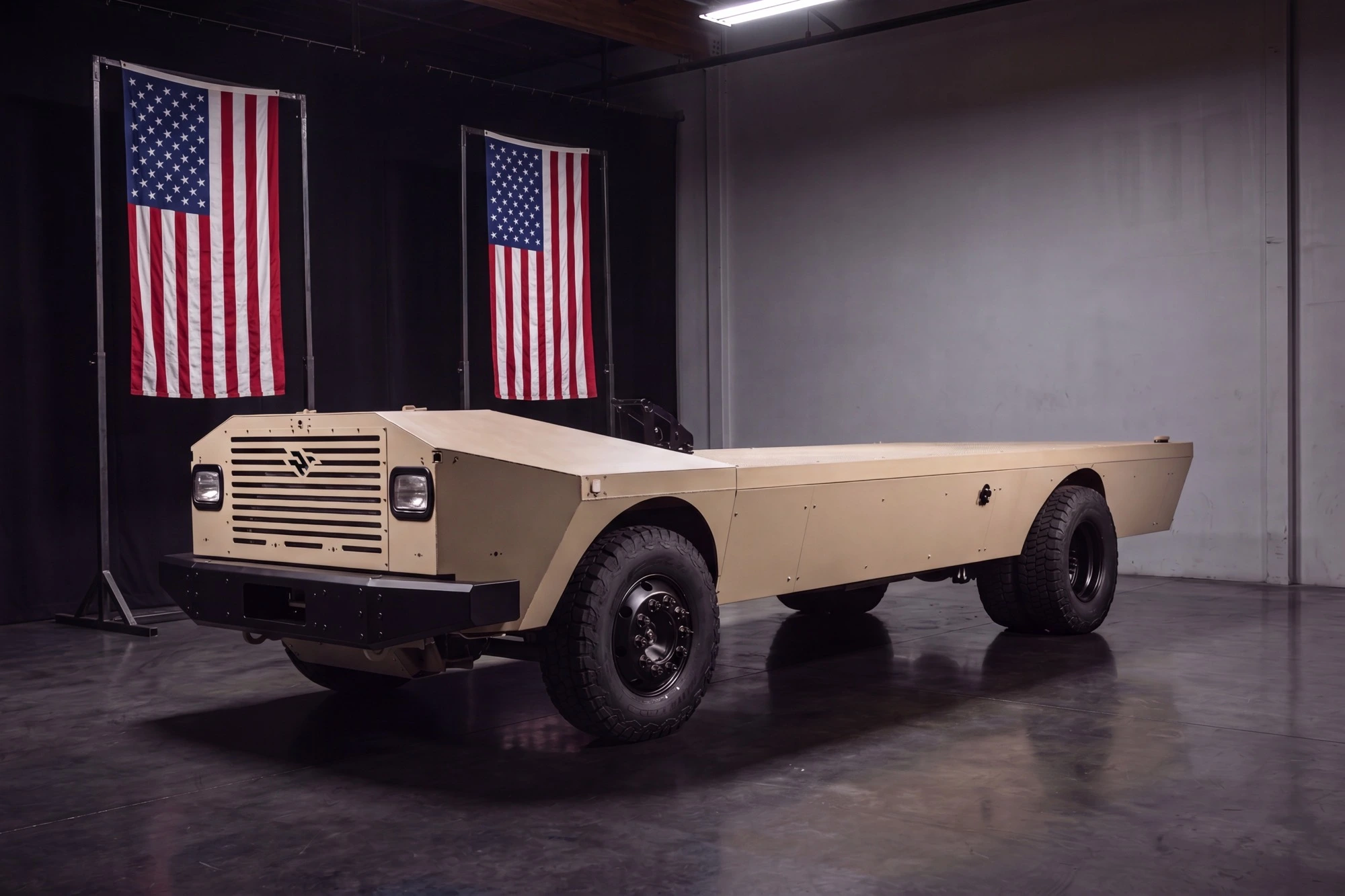
Defense company American Rheinmetall has been awarded an 18-month contract from the U.S. Army to develop an autonomous, hybrid-powered uncrewed ground vehicle. It has a total range of 500 miles, an electric only range of 105 miles and a gross vehicle weight rating between 16,000 and 28,000 pounds. The vehicle will be used to autonomously transport supplies to and from the forward line of troops, to reduce risk to soldiers and improve operational efficiency. American Rheinmetall will develop the vehicle with Harbinger, Forterra and Primordial Labs.
JETTA BRAND MOVES AWAY FROM VW’S STYLING
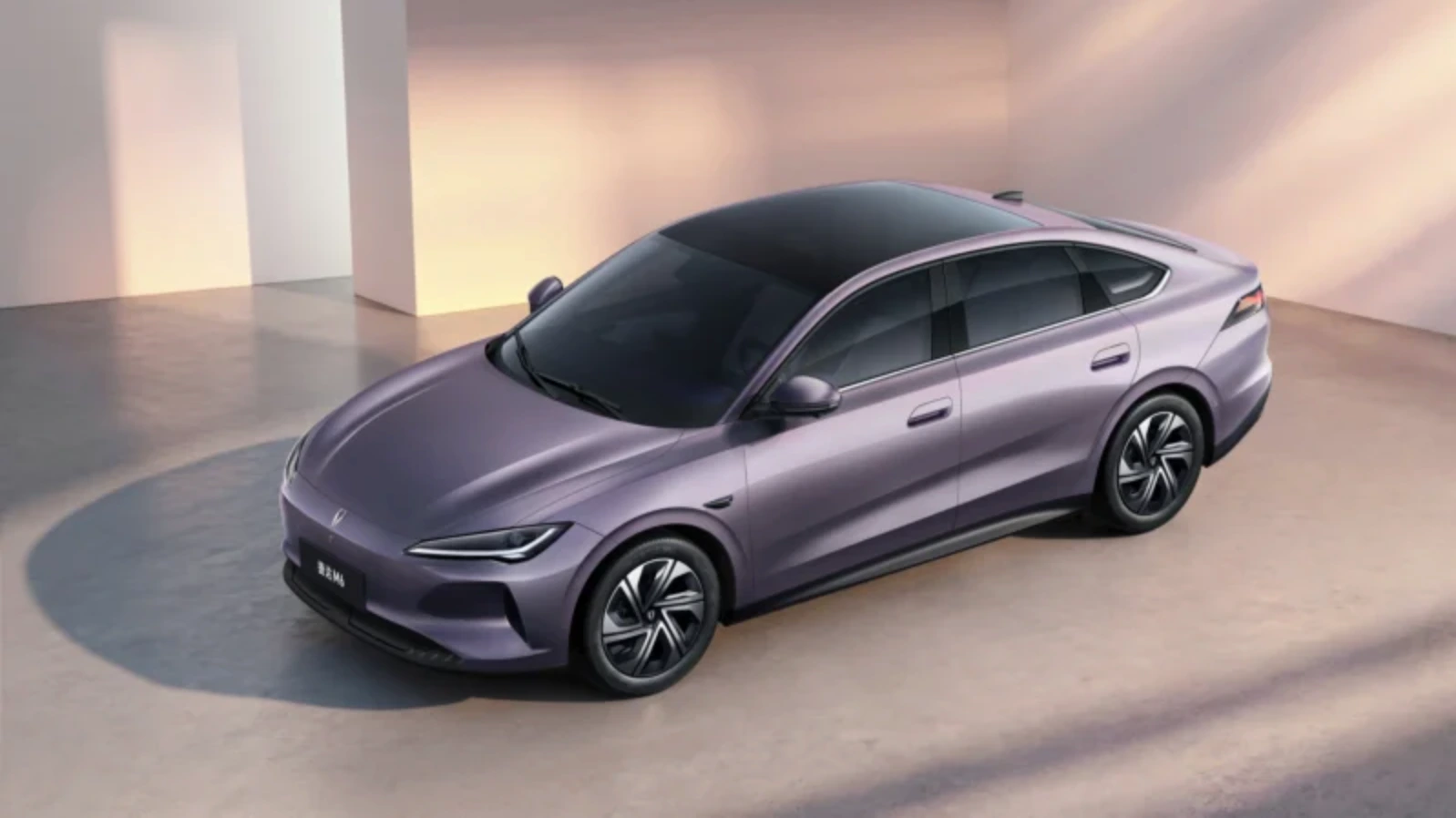
Volkswagen is making changes at its entry-level JETTA brand that it jointly operates in China. It currently sells rebadged versions of VW ICE models, but sales have been falling over the last few years and in the first half of this year it delivered fewer than 48,000 vehicles, a drop of 13%. Like most Chinese automakers, JETTA will expand to markets outside of China to help boost sales, but it’s also adding EVs to its lineup and making some big styling changes. It revealed an all-new electric SUV concept in April, called the JETTA X, and its first BEV will be a sedan, called the M6, that’s expected to go on sale in the fourth quarter of this year. With sales of ICE vehicles falling in China, it makes sense for the brand to get into EVs, but these new models also show it’s separating itself from VW’s styling. JETTA will launch 5 new models by 2028, 4 of which are electrified, and prices are expected to start around $15,000.
HYBRIDS POWER HONDA, HYUNDAI & KIA SALES
Honda, Hyundai and Kia were fast to put out their July sales results in the U.S. and all of them benefited from the growth in demand for hybrids. Honda increased overall volume by 13%, including record deliveries of just over 36,000 hybrids, which represented nearly 30% of all sales for the month. Hyundai also set a monthly sales record for hybrids, which were up 35%. While Kia’s hybrid sales were up 108%. Overall both brands increased sales in July, the third consecutive month they’ve posted gains, even after record sales the year before. Hyundai and Kia will likely set new U.S. records again this year as well.

MAHLE TURNS TO SHEEP FOR CABIN FILTERS
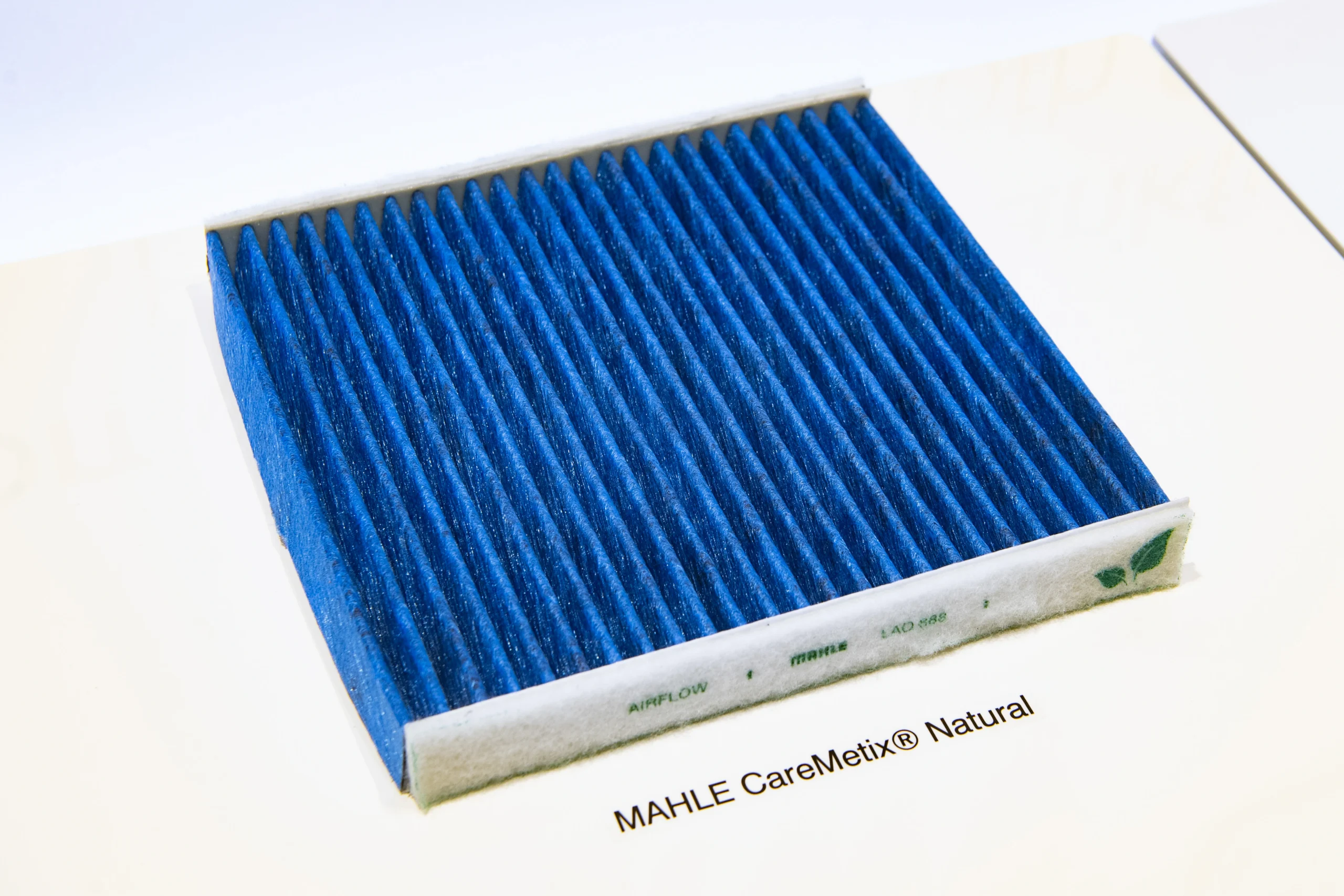
Wildfires are becoming an increasingly bigger problem around the world. And those fires cause a lot of microscopic particulate matter. Those tiny particulates can embed themselves deeply in your lungs and over time, they can cause cancer. So Mahle, the supplier company, is working on a new kind of cabin air filter for cars. It electrically charges the incoming particles with a negative charge, and the air filter material gets a positive charge. So, it’s like a magnet with those negatively charged particles practically jumping onto the filter. The system will be as thick as the filter itself, so it’s easy to package with a new HVAC design. And it only consumes 1 watt of power. Mahle is also coming out with cabin filters that use lamb’s wool for the filtering element, not plastic. It’s all about sustainability and a circular economy. And no doubt this is going to make the sheep herders of the world very happy.
But that’s a wrap for today’s show. Thanks for making Autoline a part of your day.
Thanks to our partner for embedding Autoline Daily on its website: WardsAuto.com







Leave a Reply