



Follow us on social media:



Runtime: 9:36
0:00 Hertz Offers 3-Year/100K Used Car Warranty
0:52 Board Change Could Help VW Restructuring Plan
1:42 EV Sales Take Off in Australia
2:39 China Cracking Down on ‘Irrational Competition’
3:45 Strong iX3 Demand Good & Bad for BMW
4:49 BMW Delivers 2 Million BEVs
5:14 BYD Opens 10,000th Flash Charger
6:09 Researchers Get More Energy Density from Lithium Batteries
6:52 Refreshed Z Car Goes On Sale
Visit our sponsors to thank them for their support of Autoline Daily: CSP and Intrepid Control Systems.




This is Autoline Daily, the show dedicated to enthusiasts of the global automotive industry.
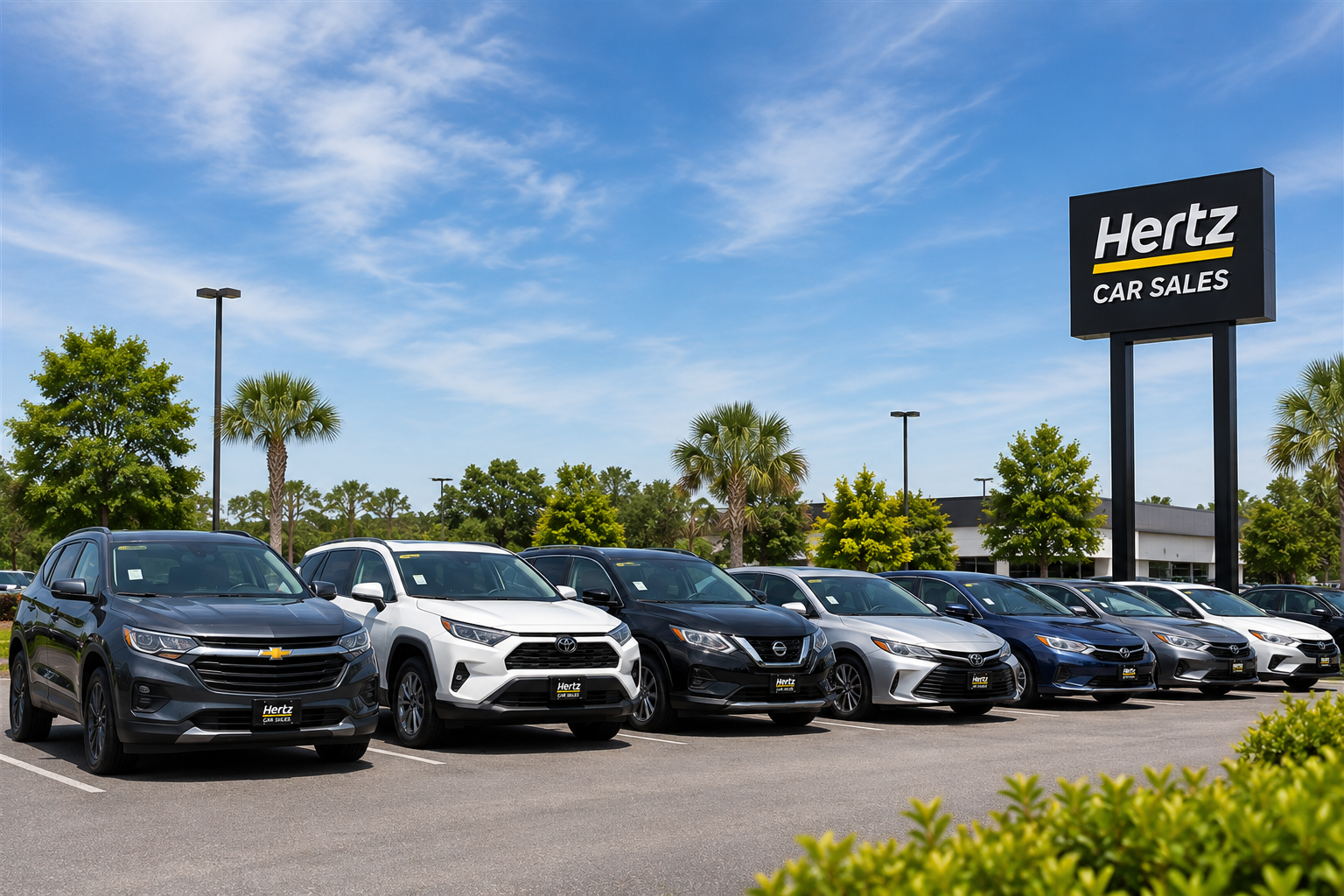
HERTZ OFFERS 3-YEAR/100K USED CAR WARRANTY
Hertz is planning to offer a 3-year, 100,000 mile powertrain warranty on the certified used cars it sells. That includes the engine, transmission and drive axle, as well as towing, a rental car and travel reimbursements if there’s a problem while you’re on the road. But there’s a $100 deductible the owner must pay for any repairs. Hertz is clearly trying to boost sales of the cars it has coming out of rental service. Did you know the rental companies really make most of their profit selling used cars? The rental fees that customers pay, cover the depreciation, financing and maintenance costs. So when the rental company sells the car, it’s pure profit.
VW BOARD CHANGE COULD HELP RESTRUCTURING PLAN
Volkswagen CEO Oliver Blume could get help soon with his massive restructuring plan. Back in July, labor representatives on VW’s board rejected his plan to cut up to 100,000 jobs and close four plants in Germany. At the time, labor representation held a majority on the board but now, the board is evenly split again with a vacant shareholder seat being filled. It consists of 10 shareholders and 10 labor representatives but VW Group Chairman, Hans Dieter Pötsch, holds the tie-breaking vote. Next week, the VW board will vote on two restructuring plans, one from labor and one from the major shareholder of the Lower Saxony state, but the details of those plans haven’t been revealed.
EV SALES TAKE OFF IN AUSTRALIA
The U.S. war with Iran sent oil prices soaring, and one result is that sales of EVs have exploded in Australia. In the last few months they’ve accounted for about half of all new cars sold there. The price of gas in Australia is around $2 a liter, which is about $5.50 a gallon in U.S. dollars. In the first half of the year, sales of EVs hit almost 104,000 units, double what they were a year ago. But it’s not just because of sky high prices at the pump. Inexpensive Chinese EVs are flooding into the market and Tesla’s sales have done even better. They’re up 421% this year, at over 28,000 cars, accounting for 27% of the BEV market in Australia. And Bloomberg reports that petrol, or gasoline usage in the country, is down 20% on an annualized basis.

CHINA CRACKING DOWN ON ‘IRRATIONAL COMPETITION’
Chinese NEVs are taking the world by storm, but the MIIT, or Ministry of Industry and Information Technology, says the competition amongst automakers has reached an irrational point. It says some are not doing nearly enough testing and validation. Gasgoo reports that as part of its next 5-year plan, the MIIT will enforce pilot programs before allowing Intelligent Vehicles on the open road. It will scrutinize these cars more carefully, requiring more testing and validation, and it will ban any cars that are not validated. Chinese automakers are under intense competitive pressure to get new models in the showrooms as fast as possible, and it sounds like some of them were taking shortcuts to beat the competition.
STRONG iX3 DEMAND GOOD & BAD FOR BMW
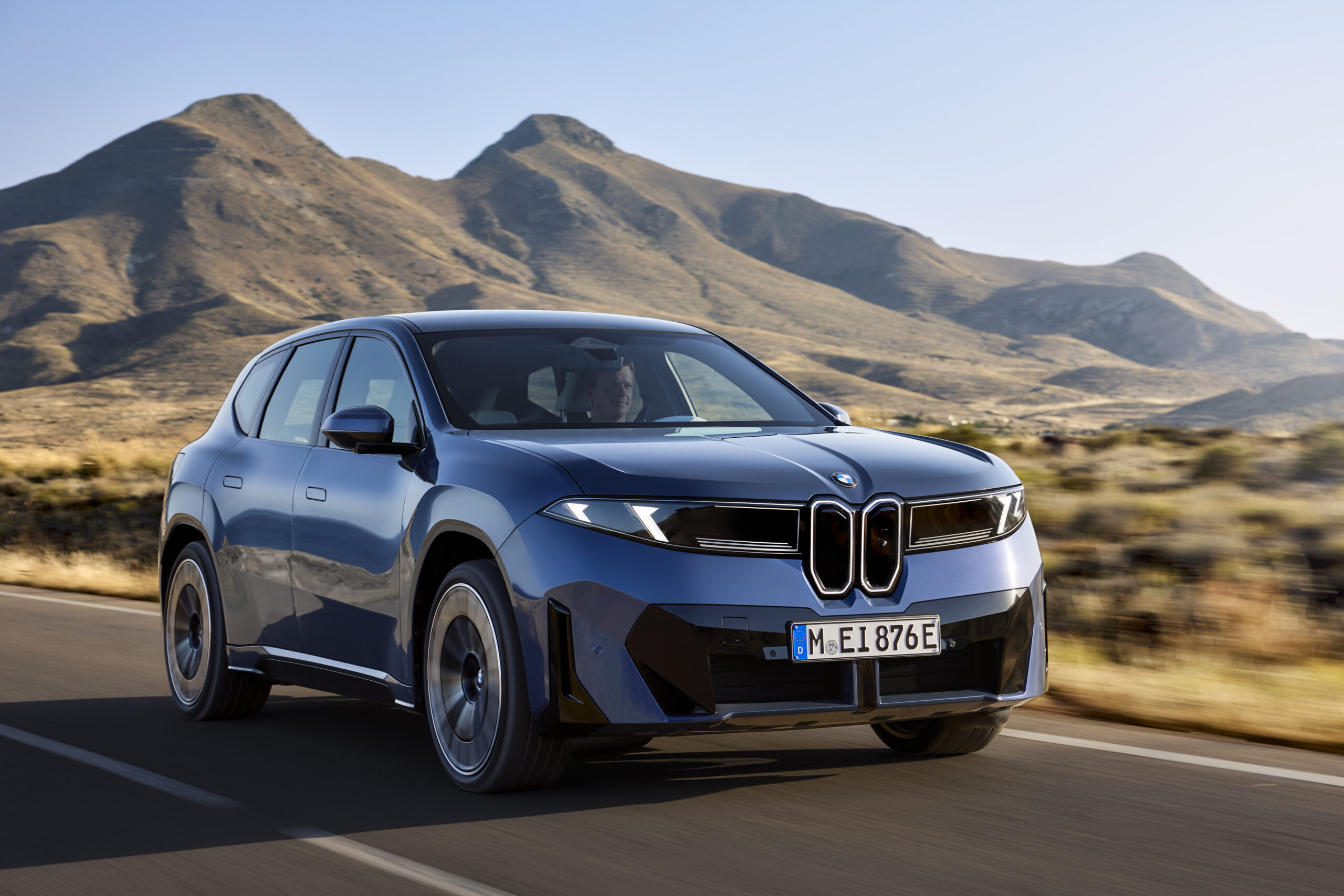
BMW is seeing strong demand for the iX3 in China and that’s both good and bad for the automaker. Reports say the model, whose price range starts between $40,000 and $50,000, has already received tens of thousands of pre orders. Customers seem like that Chinese versions come with Chinese technology, like the standard hands-free driving system that was developed with Momenta and the smart cockpit that uses voice assistants from Alibaba and DeepSeek. BMW’s current lineup in China lacks those kinds of features and sales have suffered. In the first half of the year they were down just over 20%, which matches the overall market, but that accelerated in the second quarter to a 30% drop in sales. While it’s good news for BMW that the iX3 is getting a lot of orders, it’s going to take time before sales can turn around. The first batch of deliveries to customers won’t happen until November and large-scale deliveries aren’t expected until early next year.
BMW DELIVERS 2 MILLION BEVs
But speaking of BMW and EVs, it says it has now handed over 2 million fully electric vehicles, including MINIs, to customers since it sold the very first i3 in 2013. If you include plug-in hybrids, BMW has sold 3.5 million electrified vehicles and in the first half of the year, more than one in every four vehicles sold was electrified.
BYD OPENS 10,000TH FLASH CHARGER
BYD is rapidly expanding its Flash Charging network in China. It launched the first EV charging station in March and now the company is celebrating the opening of its 10,000th station in less than six months. BYD’s Flash Charging stations deliver up to 1,500-kW through a single connector and are capable of charging an EV from 10-70% in five minutes and from 10-97% in nine minutes. The automaker is targeting 20,000 stations in China by the end of the year but to hit that target it will need to install 80 stations per day for the rest of the year. BYD also plans to install 6,000 Flash Chargers overseas with half of them in Europe. But it will be interesting to watch which solution wins out in China, Flash Charging or battery swapping?

RESEARCHERS GET MORE ENERGY DENSITY FROM LITHIUM BATTERIES
Researchers in China claim they’ve developed high-stability lithium batteries with energy densities over 600-Wh/kg. Current lithium batteries have energy densities up to 350-Wh/kg. Battery makers have struggled to boost the energy density of lithium batteries because they’re susceptible to electrolyte decomposition and the growth of lithium dendrites during high-voltage operation. But the researchers were able to develop a new type of electrolyte additive which addresses those issues. While the results are impressive, these are only lab tests, so it could be years before we see these batteries reach mass production.
REFRESHED Z CAR GOES ON SALE
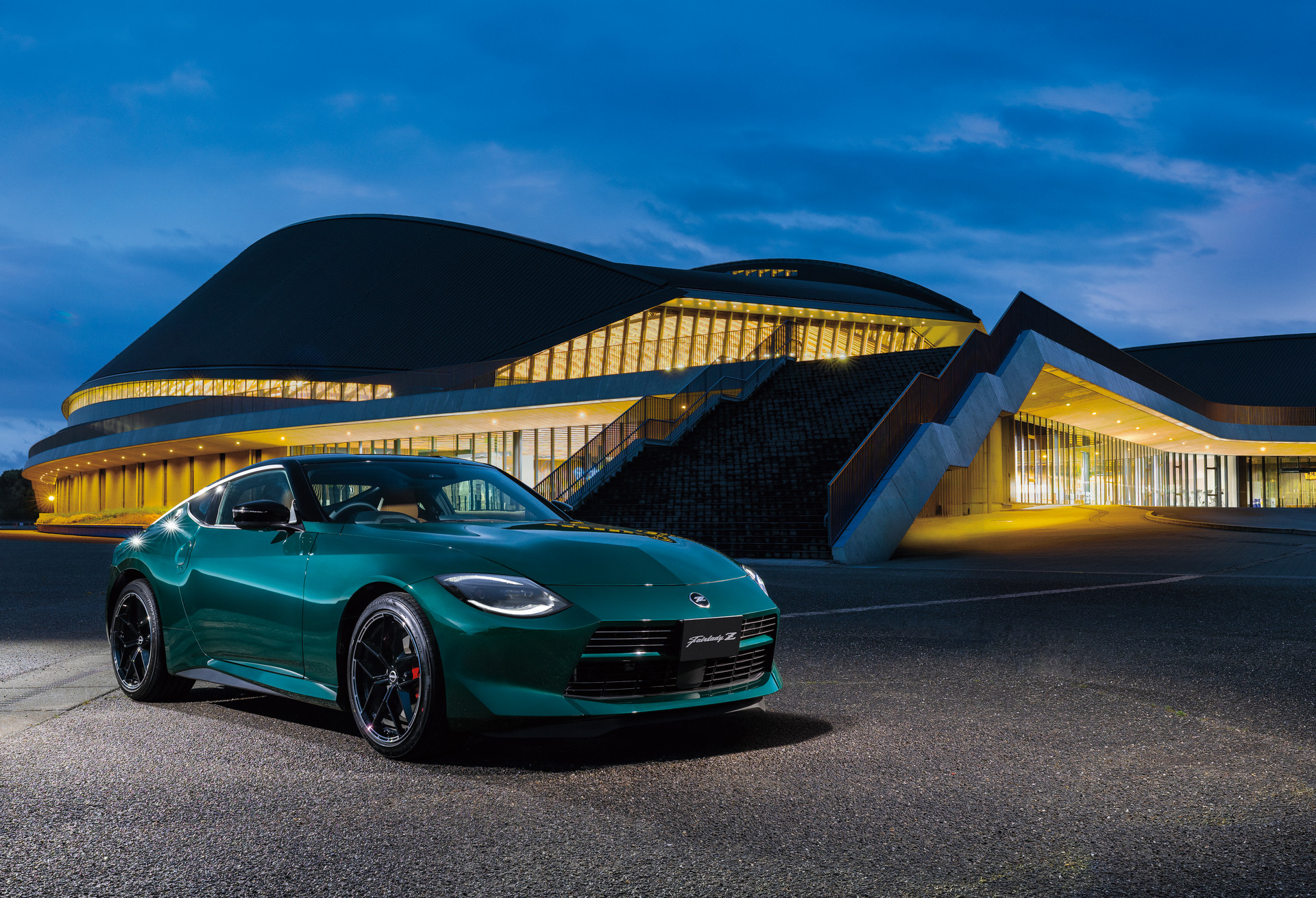
The refreshed version of the Nissan Z car is first going on sale in Japan, where the model is called the Fairlady Z. Upgrades to the standard model include a newly designed lower bumper that reduces front-end lift and lowers aerodynamic drag as well as larger diameter shocks. The NISMO version gets a new 6-speed manual with a short-throw shifter, lighter 2-piece brake rotors that come from the GT-R and those required the suspension to be retuned because they reduced unsprung weight. All versions still come with a 3.0L twin-turbo V6 with the NISMO squeezing out 420 horsepower, 20 more than the standard version. Prices in Japan start at roughly $36,000 and go up to about $61,000.
And don’t forget to tune into Autoline After Hours this afternoon at 3PM EST as we dive into the top news stories from the last week.
But that brings us to the end of today’s show. Thanks for making Autoline a part of your day.
Thanks to our partner for embedding Autoline Daily on its website: WardsAuto.com






I’d think BYD’s “flash charging” at 1500 kW would be hard on batteries. I’ve always heard that even charging at 250-300 kW, like Tesla “superchargers,” would shorten battery lifetime compared to slower charging.
Kit —
With the thought that some Chinese OEMs may have been cutting corners to beat the competition, would be nervous about using one of those chargers due to potential mishaps?
There is 3.78541 liters in a gallon, so at $2 a liter that works out to $7.57.
You mean $2 dollars in Australia dollars.
Yes, gas in Australia is about 2 AUD a liter, which works out to about 5.50 USD/US gallon.