




Follow us on social media:



Runtime: 10:26
0:00 VW Group Approves Massive German Job Cuts
0:54 SEAT Brand Likely to Be Phased Out
1:18 Porsche Consolidates Global Sales Operations
1:43 JLR Unveils New Military Vehicle
2:26 China Slowly Phasing Out NEV Subsidies
3:35 Stellantis Delays Jeep & Ram EREVs Again
4:32 Automakers Partner on European Hydrogen Infrastructure
5:02 Toyota Considers Hydrogen Power for Logistics
5:27 European Countries Launch Special EV License Plates
5:59 Ford Revives V10 Mustang Boss Prototype
Visit our sponsors to thank them for their support of Autoline Daily: AlixPartners; Bridgestone; CSP and Intrepid Control Systems.




This is Autoline Daily, the show dedicated to enthusiasts of the global automotive industry.
VW GROUP APPROVES MASSIVE GERMAN JOB CUTS
Well we sure didn’t see this one coming. Volkswagen Group’s board of supervisors approved management’s plan to cut 50,000 more jobs in Germany on top of the 50,000 job cuts it already agreed to. The Group is also going to cut half of all the models it sells, and get rid of even more trim lines. Management wants to close 4 assembly plants in Germany, though that’s still being negotiated. And it backed off plans to spin off VW’s parts and components business, at least for now. Management and the board of supervisors, which includes local politicians and labor leaders, have been fighting all summer long about the cut backs. But last night leaders on both sides hammered out an agreement to make these cuts.
SEAT BRAND LIKELY TO BE PHASED OUT
Meanwhile, SEAT, the Spanish automaker that VW owns, says the SEAT brand might get phased out by 2030. The models that are scheduled to come out next year will still hit the market, but nothing new is scheduled after that. Based on what the company is saying, the SEAT brand will likely go away but all of its assets will merge with the Cupra brand.

PORSCHE CONSOLIDATES GLOBAL SALES OPERATIONS
And Porsche is consolidating its global sales operations. Its German sales ops will get wrapped into its European sales region. All of the Americas, North, South and Central, will also be consolidated into one sales region. Other centralized departments in Europe will be dissolved, one VP will transition to the VW group, and the head of Porsche France will retire.
JLR UNVEILS NEW MILITARY VEHICLE
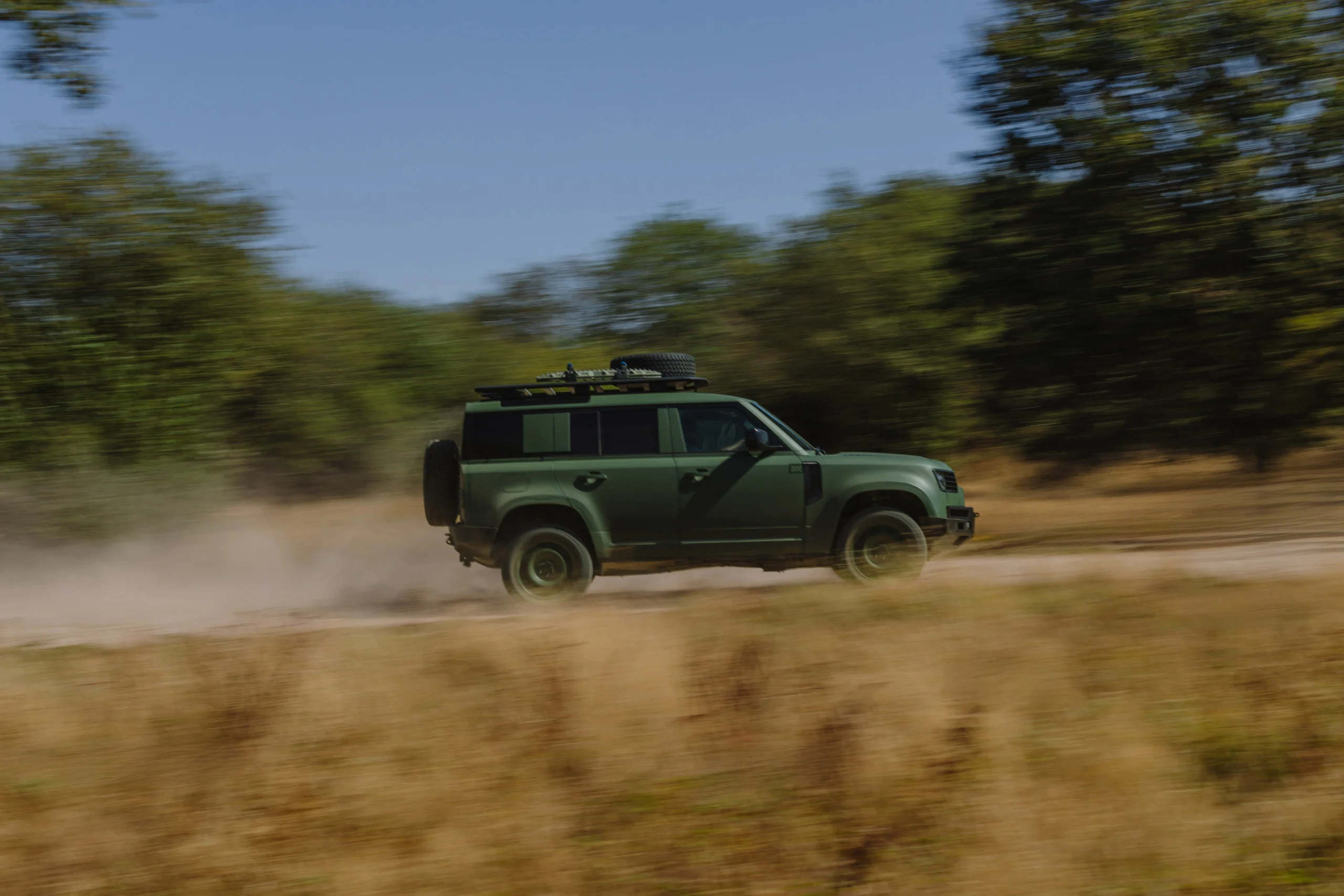
We’re seeing more and more collaboration between the auto industry and militaries. GM, Ford, VW, Mercedes and Renault have all recently announced plans to develop and build military equipment. And now JLR has revealed its next-gen military vehicle called the Defender Wolf Series II. It’s the company’s first military vehicle since the original Defender Wolf, which served the British Armed Forces for more than 70 years. The new model is competing to become the new replacement for the UK military. In addition to that, JLR has also created a new Defender Defense Division to seek contracts with other military organizations.
CHINA SLOWLY PHASING OUT NEV SUBSIDIES
China is slowly phasing out subsidies for new energy vehicles or NEVs. At the beginning of the year, purchase tax exemptions for NEVs were eliminated and replaced with a 50% reduction. And now China is getting rid of tax exemptions for lithium batteries, which had been in place for more than a decade. They’re now subject to a 2% tax, which increases to 4% next September. For a vehicle equipped with a 60-kWh battery, the tax is estimated to increase the battery cost per vehicle by $62 under the 2% tax rate and $125 under the 4% rate. While lithium batteries are no longer tax exempt, sodium-ion and solid-state batteries as well as fuel cells have an exemption until the end of 2028.
STELLANTIS DELAYS JEEP & RAM EREVs AGAIN
What’s up with Stellantis and EREVs? It’s delaying the extended range electric version of the Jeep Grand Wagoneer and Ram 1500 again. Automotive News reports that suppliers have received memos from the company that production for the Jeep EREV has been pushed back to November, a 6-month delay, while the Ram EREV has been pushed back 9 months to April of 2027. Two of the supplier executives say the delays are to ensure a smooth launch of the powertrain technology, which is new to Stellantis, but that’s basically what the company has been saying since it delayed the original Ramcharger, which was supposed to come out in 2025. The launch of that model, which will be built in Sterling Heights and was renamed the Ram REV, was later pushed behind the Grand Wagoneer EREV, which will be built in Warren. And now they’re being delayed again.
AUTOMAKERS PARTNER ON EUROPEAN HYDROGEN INFRASTRUCTURE
While there’s a lot of skepticism around hydrogen powered vehicles, automakers still see a future for the technology, especially with heavy-duty trucks. A group of eight companies, including Daimler Truck, Toyota, Volvo and Bosch, are partnering with German policymakers to build an ecosystem to scale the deployment of hydrogen trucks by 2030. The goal is to create a hydrogen supply chain and infrastructure that will help make hydrogen trucks more cost competitive.

TOYOTA CONSIDERS HYDROGEN POWER FOR LOGISTICS
And in related news, Toyota’s Vice Chairman, Koji Sato, says the automaker is considering using hydrogen-powered trucks to ship car parts and to use hydrogen as an energy source at its factories. The plan is part of Toyota’s commitment as a member of the Japan Hydrogen Association, to use hydrogen for 1% of all logistics, fuel and raw material deliveries.
EUROPEAN COUNTRIES LAUNCH SPECIAL EV LICENSE PLATES
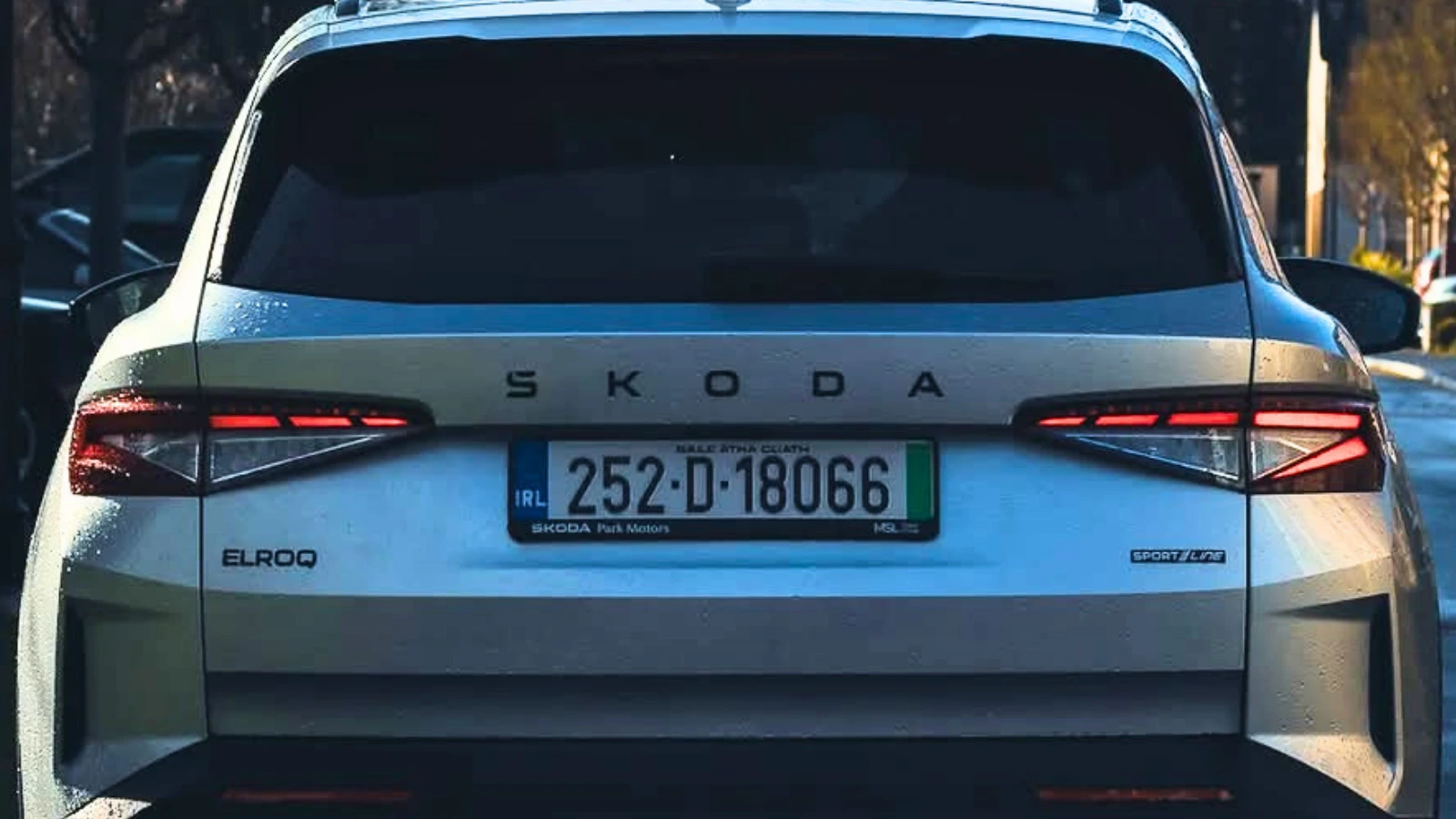
Several countries across Europe have made it easier to spot an EV. While vehicles that can run on electric-only power need to emit a noise at low speed, places like the UK, Poland, the Czech Republic, Germany and Slovakia are now issuing special license plates for electric vehicles, so emergency responders and the deaf have another visual cue for spotting an EV. Most of them are simple solutions and should be easily noticeable by locals, which is why we think it’s a good idea.
FORD REVIVES V10 MUSTANG BOSS PROTOTYPE
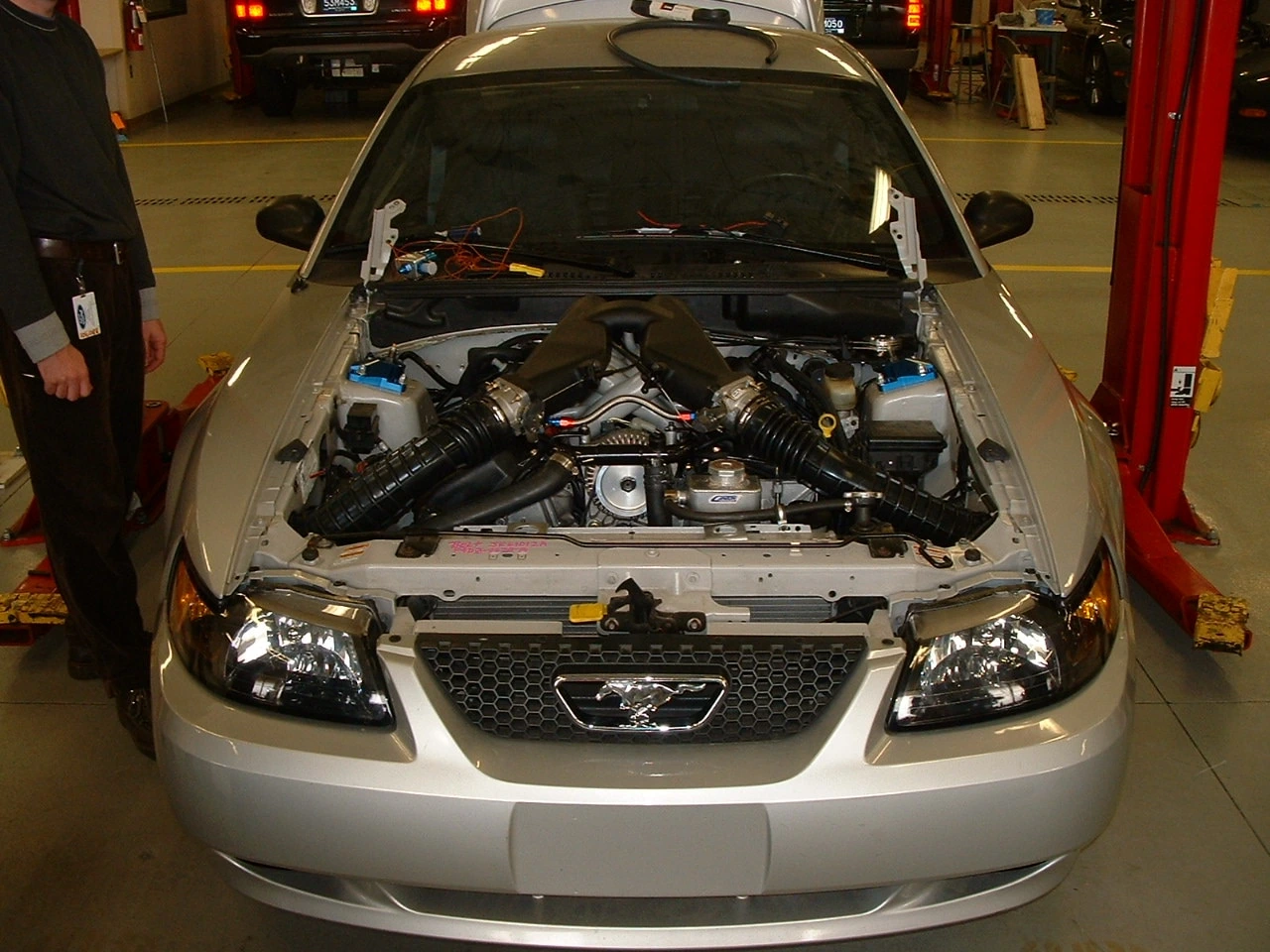
Right around the time that the Dodge Viper was undergoing a major redesign around 2001 and 2002, a small group of Ford Engineers were trying to shoehorn a V10 into the Mustang to prove that it could work. While the Boss 351 is a 1-of-1 prototype that never made it into production and was nearly scrapped a few times, a few months ago Ford Heritage Fleet started working with members of the original team to bring the car back to life. Their work was recently capped off with a fresh run on the dyno, where the V10-powered Mustang made 510 horsepower at the wheels. That would have been a ton of horsepower for the time. The 2002 Viper made 450 horsepower at the crank shaft, not the wheels.
Did you see Autoline After Hours yesterday? Towards the end of the show we got a warning that a tornado was coming through the area. And it wasn’t long after that, that the electricity went off, and for the first time since the show launched 18 years ago, Mother Nature took After Hours off the air. Even so, we got most of the show in. But just in case any of you wondered why the show suddenly went black, now you know why.
A programming note here. Monday is Labor Day, a national holiday in the United States. So we’re taking a long weekend, but will be back here again on Tuesday. Thanks for watching Autoline and we’ll see you all then.
Thanks to our partner for embedding Autoline Daily on its website: WardsAuto.com







I wish Stellantis would actually build those EREVs. I wouldn’t be in the market, but I’m curious about what mpg they would get on gas.
Kit —
With there currently being no competition on the road, with Ford and GM’s EREVs ‘sometime’ in the future, I wouldn’t be surprised that Ram keeps kicking the can until they see real competition coming forward. Perhaps when Ford brings the next generation F-150 to market, with its next Lightning in tow?
…speaking of competition for EREVs, the question might be: What is GM doing? With GMs EVs being built on a dedicated architecture, it might not make since to retrofit it for EREV work. Ford, and it seems Ram, built their full-size EV pickups from existing ICE hardware, where as GM if were to follow suit, would mean that they were starting from scratch. With their current full-size pickups having just received a complete redesign, perhaps an EREV was included in this next gen model?
Delighted to see that the destruction of Germany’s (or as I like to call it, Little Syria’s) auto sector continues apace. Who could have foreseen that de-industrializing their nation by shutting down all their nuclear plants and oil production in favor of wind, solar, and Russian gas could have been a bad idea? China, that’s who. Zhi and the boys must laugh themselves silly at the stupidity of the EU Net Zero cult, all the while completing two new coal fire plants a week so that BYD can destroy Volkswagen and their peers in their own countries.
Maybe all these soon to be unemployed VW castoffs can learn to code. Nope, AI will be doing that. Oh well, maybe they’ll get enough severance to be able to make at least one visit to a Christmas market this coming season and be lucky enough not to be run over by a jihadist “asylum seeker.”