




Follow us on social media:



Runtime: 8:48
0:00 VW Forms Chinese Battery JVs in Europe
1:12 GAC Could Get Toyota from FAW
1:46 Changan Consolidates NEV Brands
2:08 U.S. Car Sales Won’t Grow Much
3:13 Bolt Production Way Off Expectations
3:59 New Fuel Rules Could Save GM $20 Billion
4:48 EU Steel Industry Benefiting from Chinese
5:16 Toyota Getting New Vans from Stellantis
6:01 Honda Odyssey Gets SUV Inspired Refresh
Visit our sponsors to thank them for their support of Autoline Daily: AlixPartners; Bridgestone; CSP and Intrepid Control Systems.




This is Autoline Daily, the show dedicated to enthusiasts of the global automotive industry.
VW FORMS CHINESE BATTERY JVs IN EUROPE
The Volkswagen Group is deepening its ties with Chinese battery maker Gotion. VW established its own division, called PowerCo, to make batteries in Europe, but building battery manufacturing capacity outside of China is difficult because most automakers still rely on Chinese technology and suppliers. So, in 2020 the Group took a roughly 24% stake in Gotion and now along with PowerCo, they’re going to share battery making across Europe. VW will sell 49% of its battery operations in Spain to Gotion for just over 1 billion euros, while PowerCo will take a 49% stake in Gotion’s plants in Slovakia and Morocco for 470 million euros. Those sites will transition to make more LFP battery cells and cathode active materials with the VW Group expecting LFP market share in Europe to go from about 10% today to as much as 40 to 60% by 2030. As part of the deal, VW will also sell a little over 5% of its stake in Gotion.
GAC COULD GET TOYOTA FROM FAW
There’s more consolidation happening in the Chinese auto industry. We previously reported how GAC and FAW are going to merge some of their operations and it looks like GAC could get Toyota from FAW. Officials at GAC say it wants to buy out FAW’s 50% stake in FAW Toyota. Both Chinese automakers actually have partnerships with Toyota, but even though they have launched similar models their operations are separate from each other. So, this merger of sorts would help streamline things.
CHANGAN CONSOLIDATES NEV BRANDS
And in related news, Changan is going to consolidate its NEV brands, Avatr and Deepal. Neither brand is going away, but they will start sharing admin functions, R&D, supply chains and manufacturing. And moves like this are just the tip of the iceberg. China still has too many companies making too many cars in too many factories.

CAR SALES TO REMAIN LEVEL TO 2030
Car sales in the U.S. are expected to remain below pre-pandemic levels for the rest of the decade. Automakers used to sell 17 million vehicles a year but according to Mobility Global they’ll sell 16.1 million this year and they’ll only reach 16.4 million units by the end of the decade. Mobility Global says sales will remain below pre-pandemic levels because of affordability concerns, but hybrids are expected to continue to keep growing. Mobility Global forecasts that assembly of hybrids in North America will pass 3 million units in 2027, up 25% from this year. And by the end of the decade, hybrids will account for nearly a third of assembly in the region.
BOLT PRODUCTION WAY OFF GM’S EXPECTATIONS
When General Motors revived the Bolt EV it said it would be a “limited run” model but it’s going to build far fewer than it originally planned. Based on the Kansas City plant where the model is built, the volume of vehicle production was originally on track to be around 150,000. But according to a UAW official at the plant, the company is on pace to make about 35,000 Bolts in total before it goes out of production in the first quarter of next year. GM significantly scaled back its EV plans after the federal EV tax credit was removed and fuel economy standards were rolled back and it’s now retooling some plants to make more gas-powered models instead of EVs. Through August, just over 4,200 Bolts have been sold this year.
U.S. DOT CLAIMS NEW FUEL RULES WILL SAVE GM $20 BILLION
And according to the Department of Transportation, GM will see significant savings from the lower fuel economy rules. The DoT claims GM’s technology costs will decline by $20 billion because it won’t have to equip vehicles with emissions reduction equipment and it won’t have to build more EVs. The DoT says the scaled back rules will save all automakers $60 billion in technology costs or nearly $1,300 per vehicle. Yesterday, the Trump Administration finalized new fuel economy rules that drop the requirements to 34.9 MPG on average by 2031, down from the 50.4 MPG mandate set during the Biden Administration. Let us know what you think in the comments.
EUROPEAN STEEL INDUSTRY BENEFITING FROM CHINESE
While there’s growing concern over the influx of Chinese vehicles in Europe, there’s one industry that’s benefiting from it. The CEO of Thyssenkrupp Steel Europe says that Chinese automakers expanding production in the region will more than offset a decline in steel demand from European automakers. Chinese companies will account for about 900,000 metric tons of steel demand by 2033, up from 0 today.
TOYOTA GETTING NEW VANS FROM STELLANTIS
Stellantis’ all-new global platform, called STLA One, will be used for a wide lineup of models, but Toyota will get one of the first vans off the architecture. The two companies actually formed a van partnership back in 2022 and Stellantis currently makes the ProAce and ProAce Max for Toyota in Europe. Now AutoForecast Solutions reports that new versions of those vans are coming at the end of the decade. The smaller ProAce will move from Stellantis’ EMP2 platform to STLA One and production will kick off in 2031 at Stellantis plants in Turkey and France. The new ProAce Max will stay on EMP2, which Stellantis will make in Poland starting in 2030.
HONDA ODYSSEY GETS SUV INSPIRED REFRESH
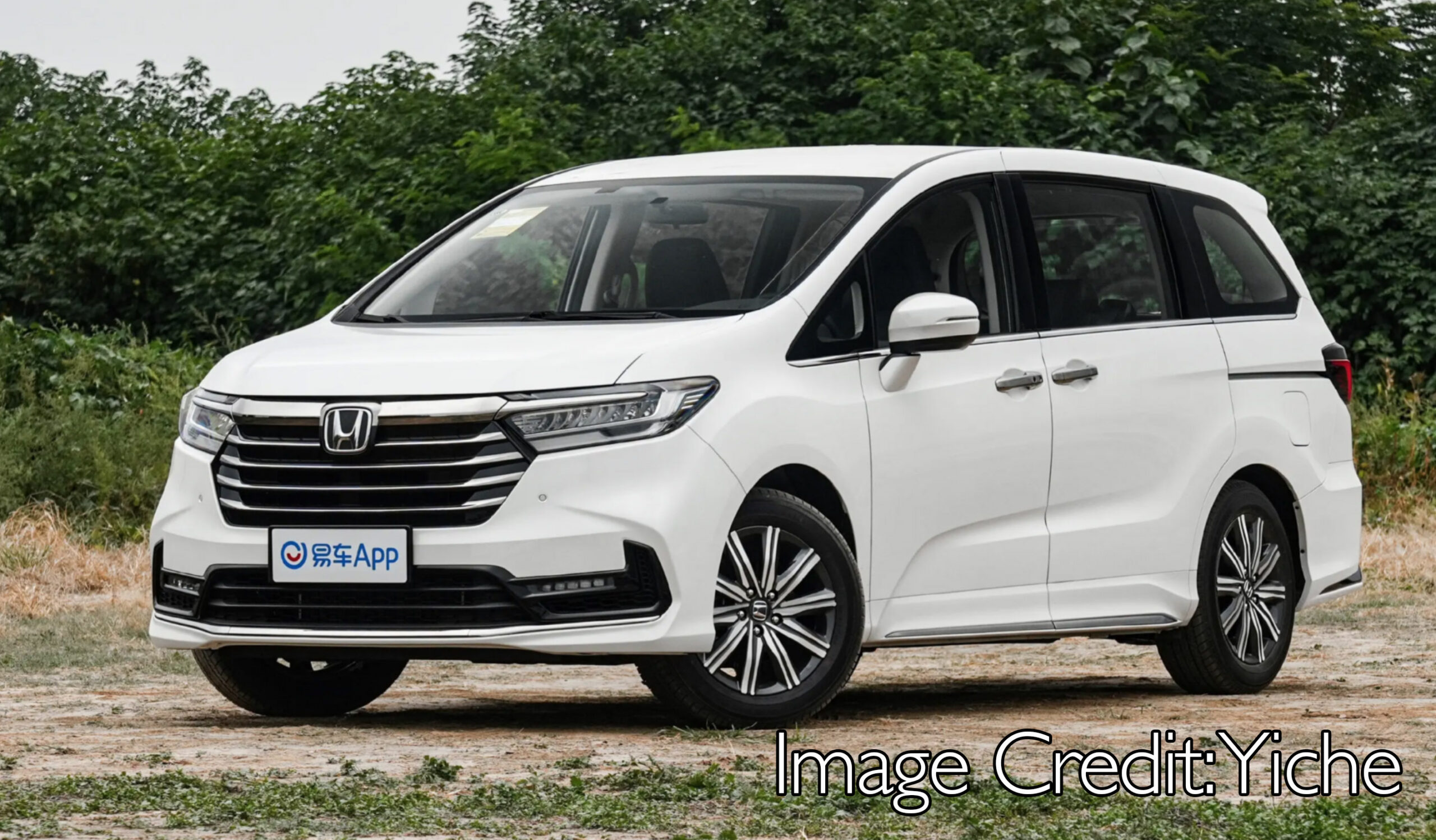
And in other van news, Honda refreshed the Odyssey in China with the front end more closely resembling the company’s SUVs. And we would be surprised if these updates don’t go to other markets.
But that brings us to the end of today’s show. Thanks for making Autoline a part of your day.
Thanks to our partner for embedding Autoline Daily on its website: WardsAuto.com






This is great stop building EVs and make more ICE vehicles. We will not be able to breathe because of pollution while the Chinese will own the battery business. Let’s build more century old technology while all of our competitors are producing 21st century propulsion.
Let’s do it Trump administration turn the clock back so we are behind in everything we can build. Why would we want to at the forefront let’s get to the end of the line as quickly as possible.
WineGeek, the current admin just allowed more efficient EV’s back in the fold along with new fuel efficiency standards. The Biden administration just extended the new EV tax credit that was mostly in place.
The problem is most new EV’s won’t be under the MSRP cap so no tax credit.
Sure reads like US automotive in decline. But accurate bad info better than sweet tall tales.
Unfortunately, the savings to automakers as a result of emissions/fuel economy rollbacks will not trickle down to consumers. Lower overall fuel economy will increase demand for gasoline which will, in turn, drive the price of gasoline higher. Lower up front cost for new cars/light trucks will be fully negated by higher fuel cost (lower fuel efficiency + higher price for gasoline). This is even before taking into account the upward pressure on the price of crude oil due to misbegotten global conflicts.
As WineGeek astutely noted, the relaxation of emissions and fuel economy regs will not relieve the domestic auto industry, what’s left of it, from its need or ability to compete globally. It brings only less affordability to consumers and less clean air to breathing people and other life forms. Internalized benefits and externalized costs are the hallmarks of unfettered American capitalism.
Another “Great Leap Backward” by the head in the sand White House.
As a nation, the United States of America 🇺🇸 will pay dearly for it