




Follow us on social media:



Runtime: 9:48
0:00 Tesla to Use Optimus To Plug in Cybercabs
1:01 GM Invests $750M To Build Hybrids in Michigan
1:37 VW Group Pivots Heavy to China for Product Development
2:39 Stella Making Progress, But Long Road Ahead
3:47 Ford Slashes Bidirectional Charging Costs
4:45 Mercedes Develops New Lower-Cost Battery Chemistry
5:34 Aston Reveals Its Fastest Convertible Ever
6:18 Toyota, Nissan, Mopar Reveal SEMA Concepts
Visit our sponsors to thank them for their support of Autoline Daily: Bridgestone; CSP and Intrepid Control Systems.




This is Autoline Daily, the show dedicated to enthusiasts of the global automotive industry.
TESLA TO USE OPTIMUS TO PLUG IN CYBERCABS
Tesla is going to use its Optimus humanoid robots to plug in its Cybercabs when they need to be recharged. Lars Moravy, the VP of Engineering at Tesla, told Munro Live that they considered using inductive charging, but had to use the infrastructure the company already built. He says “Hopefully Optimus will help us with that shortly. But we are looking at more automated ways with an expansion of infrastructure, which the cab is pre-built and ready for. And that will be the step-change for not requiring a human or Optimus to plug it in.” Using Optimus robots to plug in cars will probably have the public lining up in droves just to watch it happen. And what do you think Lars Moravy is alluding to about the step-change to automate the charging process? We’d love to hear your ideas.
GM INVESTS $750M TO BUILD HYBRIDS IN MICHIGAN
We have more details on GM’s plan to offer more hybrids in the U.S. Currently, only the Corvette is available with the powertrain setup, but the company announced it’s investing an additional $750 million into its Lansing assembly plant in Michigan to build hybrids. While GM didn’t reveal what models will feature the powertrain, that plant currently builds the Buick Enclave, Chevy Traverse, and GMC Acadia. There’s no official word on when production will start, but GM says it’s investing more than $2 billion in the Lansing region over the next several years.

VW GROUP PIVOTS HEAVY TO CHINA FOR PRODUCT DEVELOPMENT
The Volkswagen Group is making a major pivot to use China as a major new product development center and export hub to markets around the world, except Europe and the U.S. The focus will be on the “Global South,” including Asia, Australia, the Middle East, Africa and South America. It will develop its Compact Main Platform using its China Electronic Architecture tech stack called Vega, first hitting the South American market by the end of the decade. This is a change from VW’s “In China, for China” strategy, where it developed cars in China for the Chinese market. But VW is still going to lean on its Chinese partners to develop new models faster, at lower cost and with Chinese ADAS technology. With China’s domestic car market in a tailspin, the country is turning into a vast export hub for both Chinese and foreign automakers. VW is not alone. General Motors, Ford, Tesla, Stellantis, Mercedes Benz and others are following similar strategies.
STELLA MAKING PROGRESS, BUT LONG ROAD AHEAD
Stellantis is still losing money and burning through cash, but it is making progress. It shipped about 1.3 million vehicles, down 2% from last year. But revenue rose 1% to over €37.6 billion. It expects to slash ongoing operating costs by €2.4 billion by the end of this year, with a goal of cutting costs by €6 billion annually. It also posted an operating profit of €256 million, up from €90 million in the prior year. And while it still posted a net loss of €453 million, that was an improvement of 90%. The company also announced it’s going to unveil a new business plan in December for Maserati, which has been losing money for the last 3 years.

FORD SLASHES BIDIRECTIONAL CHARGING COSTS
Ford says the cost of installing extra hardware is the main thing holding back home bidirectional charging. So it’s slashing those costs with its next-gen EVs, starting with the Fathom pickup truck. The company built a DC to AC converter right into one of the EVs 5 main modules, which means customers only need to purchase the Ford Home Power Station to have bidirectional charging capability. That unit is expected to cost around $650-$700, about half the price of its 1st-gen bidirectional charger. A separate power panel is also required if customers want to be able to send electricity from their EV to their house when grid power goes out, but Ford says it’s slashing the cost of that unit by 60%, which means it should start around $2,000. The company also revealed it’s working with major utility providers to set standards for connecting EVs to the grid.
MERCEDES DEVELOPS NEW LOWER-COST BATTERY CHEMISTRY
Most automakers are turning to LFP or lithium iron phosphate batteries to lower EV costs, but they offer less energy density than more traditional battery chemistries, which are typically a combination of nickel, manganese and cobalt. Ford and GM are developing LMR or lithium manganese rich batteries, which cost about the same as LFP, but offer higher energy density. However, it’s still less than NMC batteries, so Mercedes is trying to bridge the gap between all three chemistries. The automaker says it’s working on nickel manganese oxide batteries, which would eliminate the need for cobalt and require significantly less nickel. So costs would be lower and they would offer about 30% more range than a similar LFP pack.

ASTON REVEALS ITS FASTEST CONVERTIBLE EVER
Aston Martin unveiled the Valhalla Spider, the open top version of the plug-in hybrid supercar it debuted earlier this year. Aston says the Spider is its first mid-engine convertible production car and its fastest convertible ever. Like the Coupe, the Spider is powered by a 4.0L twin-turbo V8 that’s mated to an 8-speed dual-clutch transmission. Along with its three electric motors, the powertrain cranks out 1,064 horsepower and 811 lb-ft of torque. Pricing wasn’t announced but the Spider is likely to be more expensive than the Coupe, which starts around $1 million. Deliveries start in the third-quarter of next year.
TOYOTA, NISSAN, MOPAR REVEAL SEMA CONCEPTS
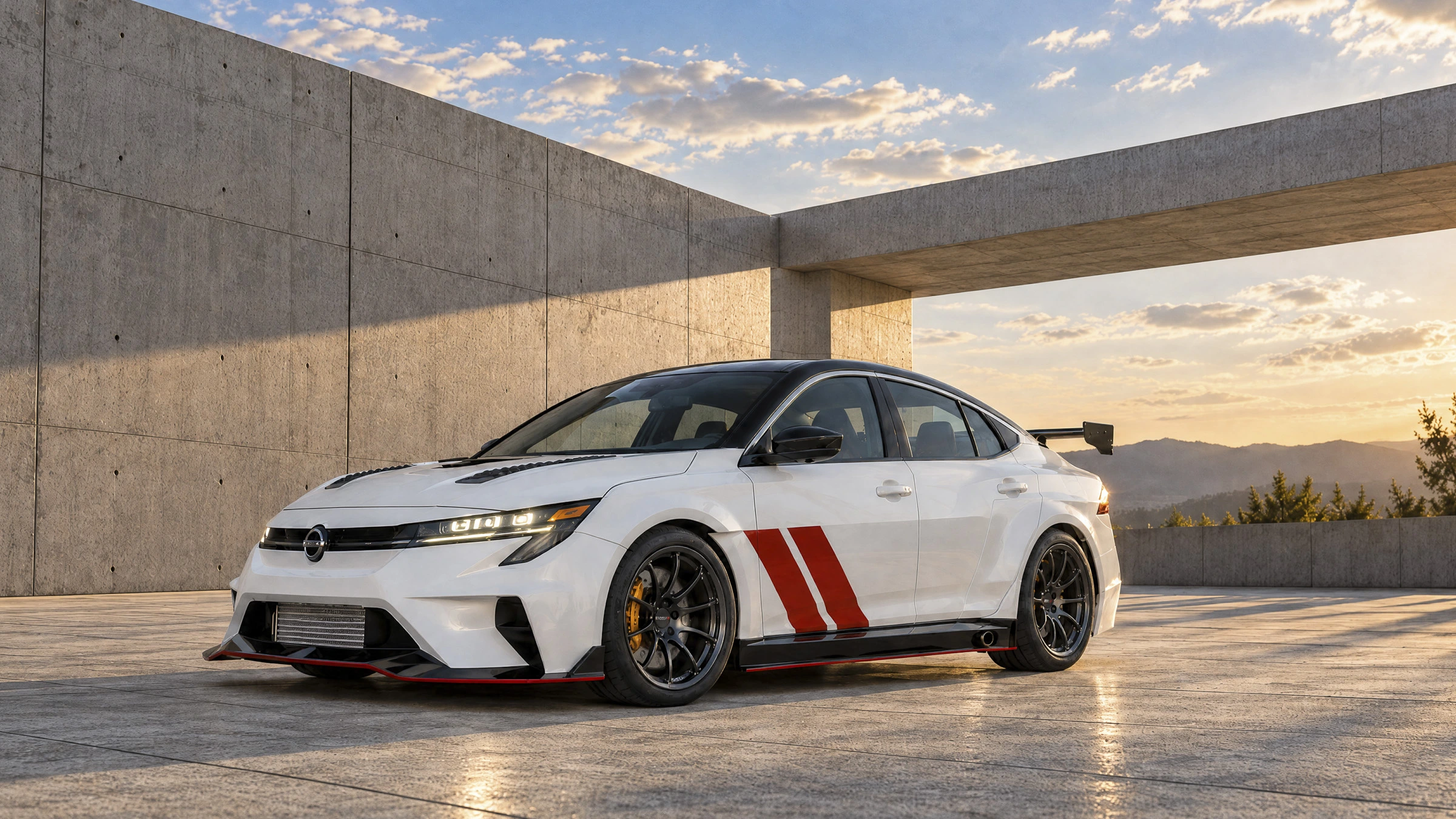
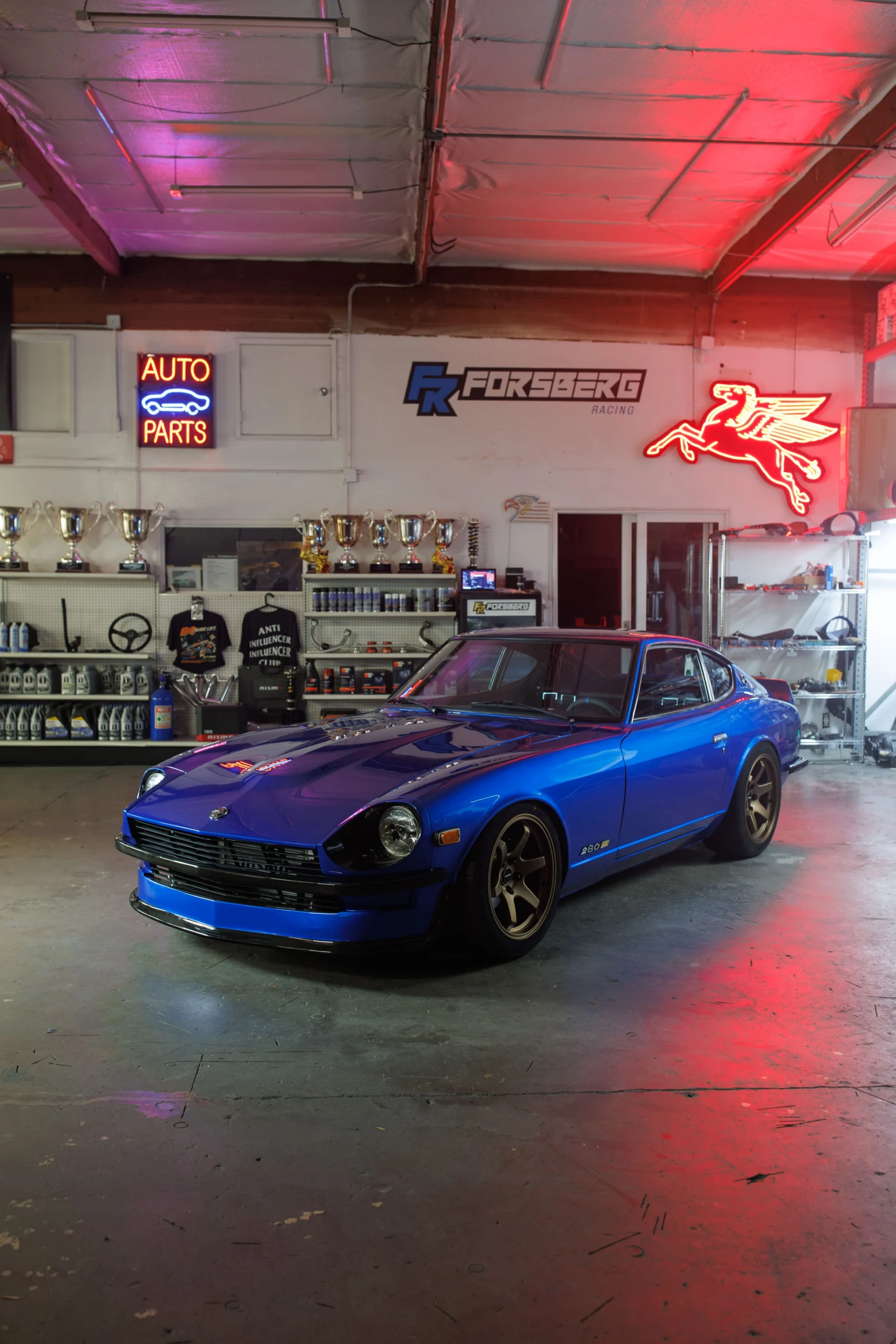
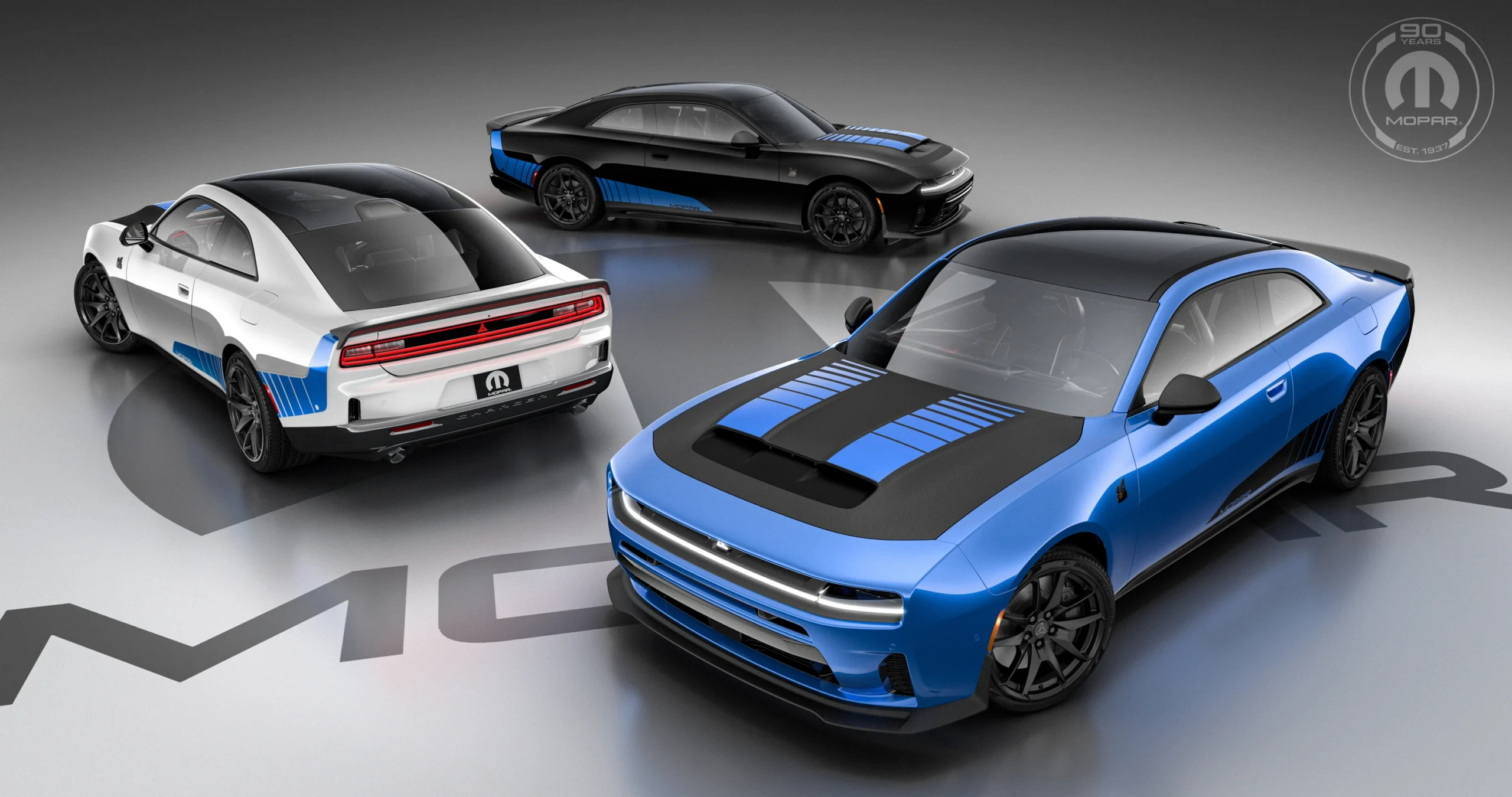
The SEMA show in Las Vegas kicks off next week and here’s some of the concepts that will be on display. Toyota created winter versions of its body-on-frame trucks and SUVs that are all equipped with snow tracks. Nissan is paying tribute to the Sentra SE-R sport compact, which debuted 35 years ago, with the Sentra Spec-V concept. It features a 2.0L turbocharged engine that produces 300-horsepower and is matched to a six-speed manual. Nissan will also display a restomod Datsun S30 concept, which is a modern take on the original Z and is powered by the twin-turbo V6 in today’s Nissan Z. And lastly, Mopar is celebrating its 90th anniversary with a limited edition of the Dodge Charger, which features unique styling, carbon-fiber details and other enhancements. And unlike the previous concepts, the Mopar Charger will be available for sale however limited to just 270 units.

But that’s a wrap for today’s show. Thanks for tuning in.
Thanks to our partner for embedding Autoline Daily on its website: WardsAuto.com






Sean—
Is the V8 in the Valhalla the same one that Aston Martin sources from Mercedes-AMG?
For every Optimus robot Tesla uses to plug in Cybercabs, isn’t that the equivalent of having a human that makes $100K+ year do the same thing?
The Fathom bidirectional charging sounds good, especially at that price! Which makes me wonder about the Slate and its home charger, for I don’t remember hearing or reading anything about it? Will there be a unit provided with the vehicle, or will customers have to get from a private, preferred vender? Will it offer bidirectional charging? If it doesn’t, I’m sure it will not be/should not be a deal breaker, but the option of getting the Fathom with one definitely adds to its appeal!
I wouldn’t be interested in bidirectional charging, unless the utility paid a lot more than I’d expect for the power I stored. Batteries have a finite lifetime, and tripling or quadrupling the charge/discharge cycles is going to wear them out much more quickly than just using the battery to run the car. It could be useful to be able to use a car battery for power outages, though.
Maybe Aston Martin will be using Honda engines in their road cars. The crappy Stroll/Aston Martin F1 team is using them.
Well, Aston Martin has 7 points to Cadillac’s zero. The Aston Martin F1 team has been around for decades, though, under various names, while Cadillac is a complete upstart team.