


Q2 Reality Check: America’s Car-Mart’s Unexpected Skid
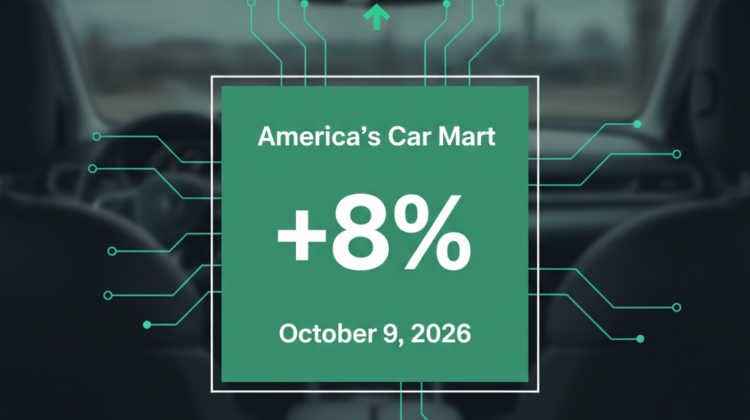
America’s Car-Mart (NASDAQ:CRMT) faced a substantial setback in its Q2 performance, with its stock experiencing a sharp 41.8% drop. The vehicle retailer significantly missed revenue estimates for the quarter, reporting sales of $145.8 million, which marked a considerable 57.1% decline year-on-year. Compounding this underperformance, the company recorded a non-GAAP loss of $6.65 per share, falling substantially short of analyst consensus expectations. This stark reality check reflects significant headwinds for America’s Car-Mart, hinting at broader market dynamics and operational challenges that will be explored further, particularly in light of persistent wholesale costs and rising borrowing expenses impacting the used-car sector.
Inflationary Pressures Fueling Market Turbulence
The broader economic landscape presented significant headwinds, contributing to the market’s unease in the second quarter. The August Producer Price Index (PPI) registered a notable 5.4% increase year-over-year and a 0.4% rise month-over-month, surpassing analyst expectations. This uptick in wholesale costs was further exacerbated by crude oil prices climbing past $100 per barrel, fueling renewed fears of persistent and stubborn inflation. Such inflationary pressures are critically linked to expectations of extended borrowing costs, as central banks may maintain tighter monetary policies. For consumers, this translates into reduced purchasing power and higher financing expenses for large assets like vehicles. Consequently, this environment places considerable strain on consumer spending and poses a direct challenge to the automotive retail sector, making it more difficult for companies like America’s Car-Mart to meet revenue targets as demand softens.
America’s Car-Mart’s Q2 Financial Underperformance
America’s Car-Mart faced a particularly challenging second quarter for CY2026, with its financial results falling substantially short of market expectations. The company reported revenue of $145.8 million, a figure that significantly missed analysts’ consensus estimates for the period. This revenue performance reflects a substantial 57.1% year-on-year decline in sales, highlighting considerable operational challenges within the used-car retail sector. Further impacting the quarter’s outcome, America’s Car-Mart posted a non-GAAP loss of $6.65 per share. This per-share loss was also notably below analysts’ projections, underscoring a period of significant underperformance across key financial metrics. The confluence of these disappointing figures demonstrates the intense pressure the vehicle retailer is currently navigating, particularly as it grapples with persistent wholesale costs and broader economic concerns that are impacting consumer demand and affordability.
The Road Ahead: Challenges for Used Vehicle Retailers
America’s Car-Mart’s recent performance highlights significant headwinds for the broader used-vehicle retail sector. Elevated interest rates continue to increase financing costs for both dealers holding inventory and consumers seeking vehicle loans, thereby dampening overall demand. Concurrently, persistent inflation, underscored by a rising Producer Price Index and increased energy costs, is eroding consumer discretionary spending. This economic pressure makes large discretionary purchases, such as used automobiles, less accessible for many households. The used car market is also experiencing evolving dynamics, moving away from the heightened demand and limited supply seen in recent years. As inventory levels potentially normalize and consumer purchasing power weakens, retailers face substantial pressure on sales volumes and profit margins. These macroeconomic factors collectively establish a challenging operational environment for companies specializing in used vehicle sales.
Navigating the New Terrain: What CRMT’s Q2 Means
America’s Car-Mart’s Q2 performance profoundly underscored the significant headwinds facing the used vehicle retail sector. The quarter’s substantial revenue miss and the resulting sharp decline in share price reflect both the broader macroeconomic pressures, such as persistent inflation, elevated energy costs, and rising borrowing expenses, and the company’s specific operational struggles to adapt to this challenging environment. The considerable drop in sales and the larger-than-expected loss per share highlight the difficulties in navigating reduced consumer spending and higher wholesale costs. For used car dealers, the current landscape is characterized by a complex interplay of tightening consumer budgets and persistent cost inflation, presenting a demanding operational climate.







Leave a Reply