


America’s Car-Mart’s Q2 Earnings Send Shares Tumbling
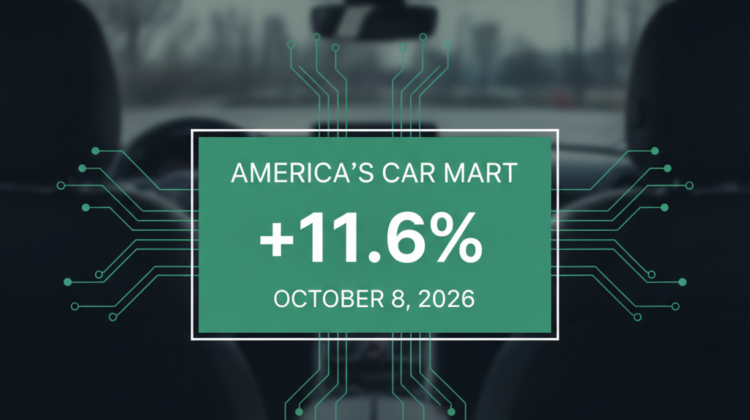
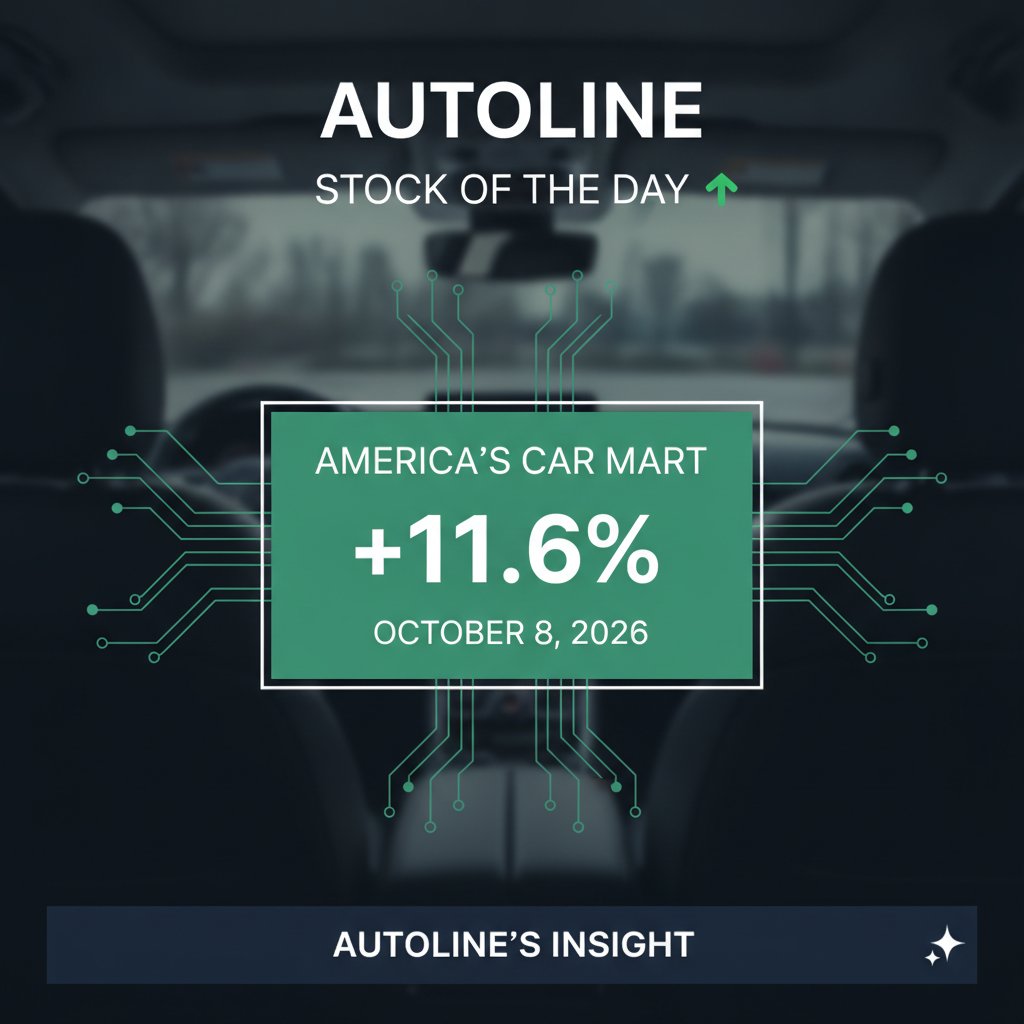
America’s Car-Mart (NASDAQ:CRMT) experienced a substantial downturn following its Q2 CY2026 earnings report, with shares plummeting by 41.8%. The significant drop immediately sent the stock price to $1.25, reflecting a sharp market reaction to the quarterly results. This abrupt shift had an immediate impact on the company’s financial standing, compressing its market capitalization to approximately $10.42 million. Furthermore, trading activity surged, with a volume of 236,641 shares exchanged, underscoring intense investor re-evaluation of the vehicle retailer’s performance. This initial response sets the context for a detailed analysis of the underlying factors influencing America’s Car-Mart’s recent financial trajectory.
Key Factors Behind the Move: CRMT’s Q2 Revenue Miss and Mounting Losses
America’s Car-Mart experienced a substantial downturn in its Q2 CY2026 financial performance, missing market expectations across key metrics. The used-car retailer reported revenue of $145.8 million, a significant 57.1% decline compared to the previous year, falling short of analyst consensus. This revenue miss signals a weaker-than-anticipated sales environment, likely influenced by the broader economic climate where rising interest rates and inflation have impacted consumer purchasing power for discretionary items like used vehicles. Compounding this, the company posted a non-GAAP loss of $6.65 per share, a figure notably below analysts’ projections. These combined results highlight significant operational challenges for America’s Car-Mart, demonstrating the direct impact of macroeconomic headwinds and decreased consumer demand on its financial health and profitability within the competitive vehicle retail industry.
Inflationary Pressures and Borrowing Costs: A Macro View for Vehicle Retailers
America’s Car-Mart’s recent performance reflects broader macroeconomic headwinds impacting the automotive retail sector. The August Producer Price Index (PPI) saw a 5.4% year-over-year increase, signaling persistent wholesale cost pressures that inevitably translate to higher operational expenses for retailers and potentially elevated prices for consumers. Concurrently, crude oil prices climbing past $100 per barrel have further fueled inflation concerns, particularly regarding energy and transportation costs, which affect both supply chains and consumer discretionary spending. These factors collectively contribute to renewed fears of stubborn inflation, prompting central banks to maintain or extend higher interest rates. The resulting extended borrowing costs directly impact consumer purchasing power, especially for larger discretionary purchases like vehicles, and increase financing expenses for dealerships. This environment fosters increased consumer caution and reduced demand across the broader vehicle retail market, underscoring why companies like America’s Car-Mart are facing significant operational challenges.
Challenges and Implications for CRMT and the Used-Car Market
CRMT’s significant revenue miss and non-GAAP loss highlight the severe impact of current market conditions, signaling broader challenges for the used-car retail sector. Rising Producer Price Index figures, particularly due to energy and diesel fuel, directly contribute to elevated wholesale costs for vehicle inventory, compressing margins for retailers like America’s Car-Mart. Simultaneously, increased borrowing costs and persistent inflation fears are dampening consumer confidence, leading to reduced demand for used vehicles. This dual pressure of higher acquisition costs and cautious consumer spending casts uncertainty over the immediate profitability and growth prospects for vehicle retailers. The industry will likely continue to face headwinds as long as these macroeconomic factors persist, requiring adaptability from companies to maintain operational viability in a contracting market.
The Road Less Traveled: What CRMT’s Earnings Signal for Investors
America’s Car-Mart’s Q2 performance underscores significant pressures within the used-car retail segment. The substantial revenue miss and widened losses reflect not only company-specific challenges but also broader macroeconomic headwinds, including persistent inflation, rising energy costs, and elevated borrowing rates. These factors directly impact consumer demand and operational expenses for vehicle retailers. For investors evaluating companies in this sector, CRMT’s results highlight the importance of scrutinizing business models for resilience against economic shifts, focusing on efficient cost structures and effective inventory management in an environment where purchasing power is strained and operational costs remain high.







Leave a Reply