


CarMax Steers Upward: A Modest Gain Amidst Shifting Sands
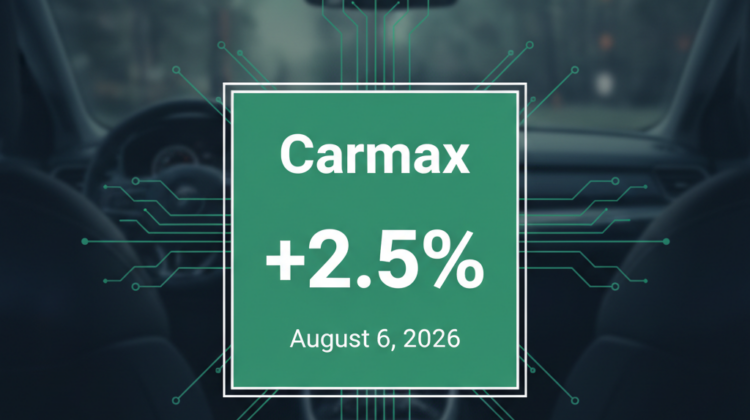
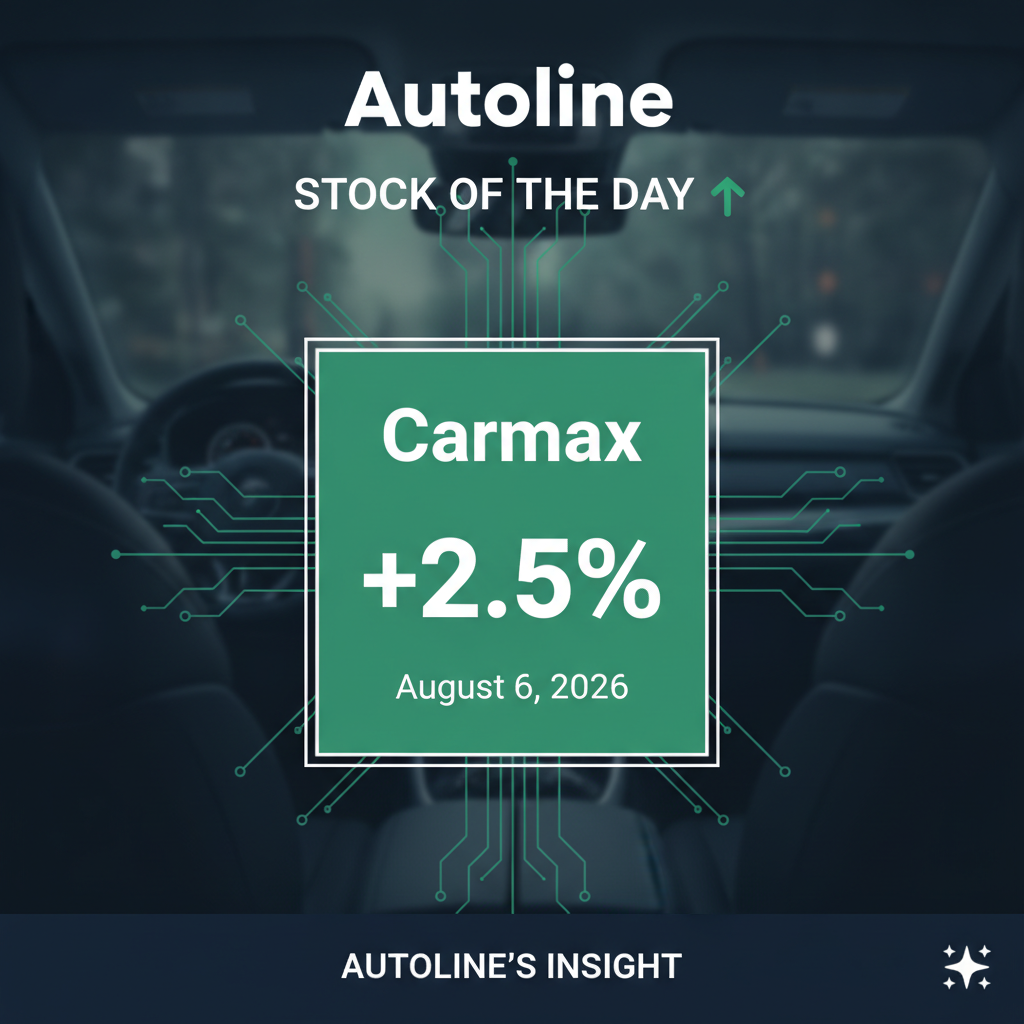
CarMax shares demonstrated a modest upward trajectory today, advancing 2.5% or $1.39 to close at $58.06. This movement follows a significant analyst upgrade to a “Hold” rating, which appears to have immediately stabilized investor sentiment after recent uncertainties. The upgrade suggests improving, though not yet optimal, business conditions for the automotive retailer. The company currently commands a market capitalization of approximately $8.24 billion. Daily trading volume for CarMax stood at about 2.16 million shares, representing a total dollar value traded of approximately $125.5 million. These metrics provide context for the day’s performance as the market digests the cautious optimism surrounding the company’s outlook.
Catalyst for the Upgrade: Stabilizing Demand Meets Market Skepticism
The upgrade to a ‘Hold’ rating for CarMax primarily stemmed from an observed stabilization in used car demand. This shift indicates a more predictable operational outlook for the company, potentially allowing for more efficient inventory management and a firmer basis for sales projections. Such a stabilizing demand environment bolsters CarMax’s market positioning, providing a clearer operational framework in a segment known for its volatility. This positive development is particularly noteworthy given the broader market context: CarMax registered a gain on a day when the tech-heavy Nasdaq 100 faced significant headwinds, driven lower by a substantial selloff across the semiconductor and memory-chip sectors. This divergence underscores the specific demand resilience within the used vehicle market, distinguishing CarMax’s performance from wider tech-sector pressures.
Roadblocks on the Profit Path: Retail Margins and Ad Spend Weigh Heavily
Despite a stabilization in demand providing a degree of operational relief, CarMax continues to face significant headwinds stemming from compressed retail margins. The current market environment, characterized by evolving supply-demand dynamics and intense competition, limits the pricing power for used vehicles, directly reducing the profitability derived from each sale. This pressure on retail margins means that even as sales volumes begin to recover, the net revenue generated per transaction remains constrained. Compounding this challenge are elevated advertising expenditures, which are essential for maintaining market presence and attracting customers in a competitive landscape, yet represent a substantial and growing operational cost. The cumulative effect of these factors directly impacts CarMax’s ability to translate improved sales performance into robust net earnings and sustained financial strength, thereby presenting a clear impediment to maximizing profitability.
Navigating the Current: CarMax’s Performance in a Turbulent Market
CarMax’s recent upgrade to a ‘Hold’ rating reflects a nuanced position within a complex broader market. While the Nasdaq 100 experienced a notable decline driven by a brutal semiconductor and memory-chip selloff, CarMax’s specific dynamics reveal a different battleground. Demand for used vehicles is stabilizing, yet persistent pressures from retail margins and increased advertising spend continue to impact profitability. This situation for CarMax, tied to discretionary consumer spending, contrasts with other market signals such as soft June PPI data and strong bank earnings, which collectively helped steady the broader tape. CarMax’s journey therefore underscores how individual company challenges, even amidst stabilizing demand, can diverge from wider market trends, particularly when facing sector-specific headwinds in a mixed economic climate.
CarMax’s Trajectory Beyond the ‘Hold’ Rating
CarMax finds itself in a nuanced position, showing initial signs of demand stabilization in the used vehicle market, yet still confronting notable challenges in its path to consistent profitability. While the recent ‘Hold’ rating reflects a more optimistic outlook on demand trends, pressures on retail margins and increased advertising expenditures continue to impact the bottom line. Moving forward, investors should closely monitor several key indicators in upcoming reports. Crucial metrics include the sustained recovery of retail margins, the demonstrated effectiveness and return on investment of its advertising strategies, and the overall resilience of demand within the broader used vehicle segment. These factors will be essential in assessing CarMax’s long-term trajectory and its ability to translate improving demand into robust financial performance.





Leave a Reply