


CarMax Accelerates: Decoding Today’s 4.2% Jump
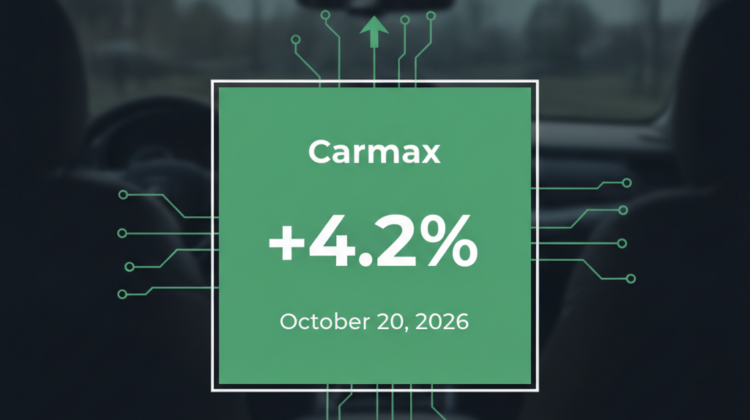
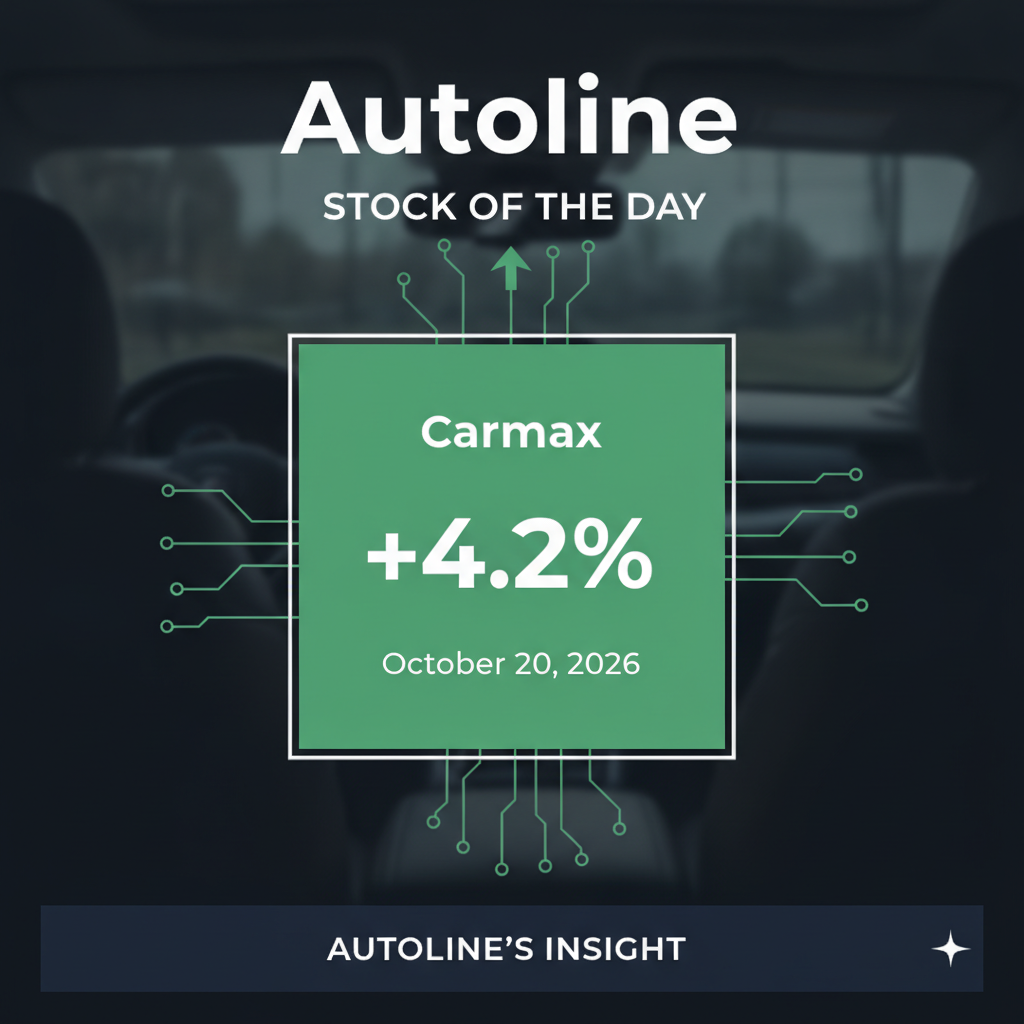
CarMax (KMX) shares experienced a notable uplift today, advancing 4.2% to close at $53.82, a dollar gain of approximately $2.19. This positive momentum emerges during a critical phase for the used car retailer, as it implements significant strategic adjustments designed to enhance competitiveness, including recent cost reductions and improved pricing transparency. The market is closely observing these shifts, particularly ahead of CarMax’s upcoming November 3 strategy update, which is anticipated to further elaborate on initiatives prioritizing unit economics over volume and and address ongoing valuation debates.
Key Factors Driving CarMax’s Strategy and Q2 Performance Edge
CarMax’s recent market performance is significantly underpinned by deliberate company-specific actions. Strategic cost reductions have been instrumental in enhancing operational efficiency, while simultaneously, an emphasis on increased price transparency has made its used vehicle offering more appealing to consumers. These initiatives have combined to strengthen its competitive position within the challenging used car market, a fact underscored by its stronger fiscal Q2 used unit comparable store performance, which notably surpassed several industry peers. Such focused execution, prioritizing unit economics over headline volumes, signals a disciplined approach to business management. This clear strategic direction, coupled with tangible results, has resonated strongly with investors, bolstering confidence in CarMax’s ability to navigate current market dynamics and drive sustainable value.
Navigating CarMax’s Strategic Shift
CarMax’s highly anticipated November 3 strategy update is poised to mark a significant inflection point for the company. Expectations are that this announcement will detail substantial further cost initiatives, building on recent efforts that have already bolstered the competitiveness of its used vehicle offerings and contributed to stronger comparable store performance. Crucially, the update is anticipated to emphasize a strategic pivot towards unit economics, prioritizing the profitability and efficiency of each vehicle transaction over the sheer pursuit of headline sales volumes. This shift signifies a maturation of CarMax’s business model, moving beyond rapid expansion to focus intently on sustainable profit generation and operational optimization. For its long-term market positioning, this strategic reorientation suggests a more disciplined approach to capital allocation, inventory management, and pricing. Such a focus could significantly strengthen CarMax’s financial resilience and differentiation within the competitive used car retail sector by consistently delivering enhanced value per unit rather than merely chasing aggregate market share, potentially stabilizing future earnings.
The Price Tag Problem: Is KMX Still Expensive?
Despite recent positive revenue updates following CarMax’s strategic shifts and cost-cutting initiatives, the company’s historical stock performance remains a critical point of discussion. KMX has experienced a substantial 62.8% decline over the past five years, prompting an ongoing debate about its current valuation. At a share price of $53.82, the central question for investors and analysts is whether this level is adequately supported by the company’s underlying earnings power. Analyst perspectives vary significantly; while some acknowledge recent operational improvements and sharper upfront pricing, others suggest that the stock may still appear expensive even after reporting stronger earnings. This nuanced view underscores that the current valuation debate for CarMax is less about past share price momentum and more intensely focused on its present earning capabilities, how sustainable those earnings are, and their ability to justify the market’s current assessment of the used car retailer amidst evolving market conditions.
Final Lap: What This Means for CarMax Investors
The recent 4.2% uptick in CarMax’s share price reflects investor optimism surrounding its strategic shifts, including effective cost reductions and enhanced pricing transparency. These initiatives have positioned the used vehicle retailer more competitively, bolstering comparable store performance and suggesting a renewed focus on unit economics over sheer volume. However, shareholders must weigh this positive momentum against the backdrop of significant long-term underperformance, with the stock declining over 60% in the past five years, raising persistent questions about its current valuation. While the upcoming November 3 strategy update promises further clarity on cost initiatives and future direction, discerning whether CarMax is establishing a sustainable turnaround or if the current rally represents a more speculative interest remains crucial for both existing and potential investors.




Leave a Reply