



Carvana’s Market Activity Post-Earnings Report
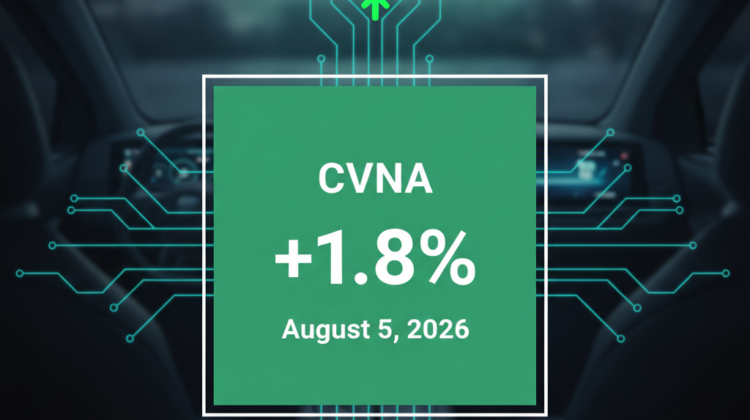
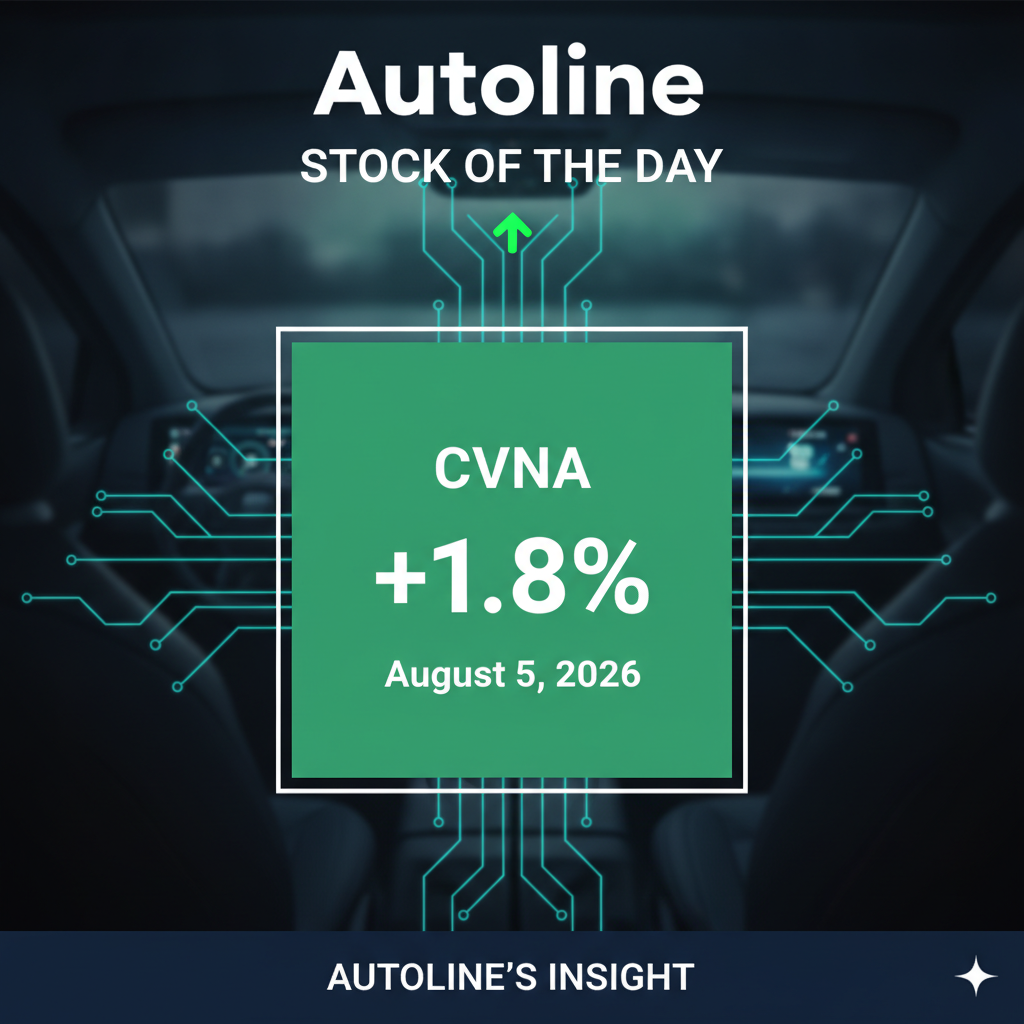
Following its recent Q2 earnings report, Carvana’s stock demonstrated a modest positive movement on Wall Street. The automotive e-tailer’s share price increased by 1.8%, closing at $69.24. This change translated to a $1.21 gain, reflecting an initial investor response despite the detailed financial disclosures. The company continues to command a significant market presence, evidenced by its substantial market capitalization of over $76 billion. Daily trading volume for CVNA shares reached approximately 5.6 million, highlighting active market engagement surrounding the news. This initial performance provides a concise overview of how the market is processing Carvana’s operational results, setting the context for a deeper examination of its financial health and strategic trajectory amidst varying analyst perspectives.
Unpacking Carvana’s Record Q2 Performance
Carvana’s second quarter demonstrated significant operational strength, reporting a substantial 52% surge in revenues compared to the previous year. This impressive growth was primarily attributable to a record retail unit volume, indicating strong consumer demand and effective inventory management, coupled with the successful execution of robust pricing strategies across its sales channels. Concurrently, the company achieved positive growth in its Earnings Before Interest, Taxes, Depreciation, and Amortization (EBITDA), reflecting an underlying improvement in operational efficiency. Despite these achievements, Carvana experienced discernible margin pressure, which arose directly from its strategic and aggressive investments in expanding its infrastructure and market reach. These calculated expenditures, while integral to securing future market position and scaling operations, led to a comprehensive financial profile that balances impressive top-line growth with the costs of substantial corporate development.
The Market’s Mixed Signal: Why Record Numbers Sparked Jitters
Despite Carvana reporting what was characterized as its best quarter in history, marked by record retail volume and robust revenue growth, the initial market response was a significant downturn. This immediate reaction was not a rejection of the impressive headline figures themselves, but rather an interpretation of the company’s forward-looking guidance and apprehension concerning its aggressive scaling strategies. Market participants often prioritize future profitability and operational efficiency projections over current metrics alone, leading to a cautious initial stance. However, the subsequent trading period observed a slight positive recovery, indicating a nuanced reassessment of Carvana’s trajectory. This oscillation prompts a deeper examination of what ultimately shaped the market’s final sentiment: a long-term view on expansion viability or a re-evaluation of its current operational strength.
Navigating Growth vs. Profitability: Carvana’s Balancing Act
Carvana’s Q2 results, showcasing a robust 52% increase in revenues driven by record retail volume, clearly reflect the company’s aggressive strategy for market share expansion. This notable top-line growth, however, continues to highlight a core strategic tension: the challenge of achieving sustainable profitability amidst continuous, high-investment scaling. The substantial capital allocated to expanding operational infrastructure and increasing unit throughput inherently impacts profit margins, as evidenced by consistent pressure even with soaring revenues. For Carvana, the critical task is to enhance operational efficiency to effectively balance its ambitious pursuit of market dominance with the imperative of generating healthy, consistent profit margins. Navigating this equilibrium between growth and financial prudence is fundamental for the company to translate its impressive revenue trajectory into durable long-term value.
The Road Ahead: What Carvana’s Q2 Means for Investors
Carvana’s Q2 results presented a complex narrative for investors, showcasing significant operational strengths alongside persistent market skepticism. The company reported record retail volume and a robust 52% increase in revenue, signaling strong execution on unit growth. However, the immediate negative market reaction, evidenced by the stock’s double-digit decline, underscores investor focus on guidance and the long-term implications of aggressive expansion on profitability. This quarter highlights a crucial juncture: while Carvana demonstrates an ability to rapidly scale and capture market share in a competitive automotive retail landscape, the ongoing challenge lies in effectively translating this growth into sustainable, efficient earnings. The company’s future trajectory and sustained investor confidence will depend on its ability to balance ambitious expansion with a clear path to enhanced profitability, thereby addressing the fundamental concerns that continue to shape its valuation.







Leave a Reply