



Follow us on social media:



Runtime: 8:17
0:00 Peugeot Invests €1 BILLION in France
1:01 Foxconn Takes Orders for 2nd EV
1:46 Bentley Reveals New Flying Spur
2:18 MG Announces 1st EU Plant
3:28 Tesla Faces FSD Lawsuit in China
4:21 Tesla’s China-Made Deliveries Up Again
4:52 Tesla Shows Signs of EU Recovery
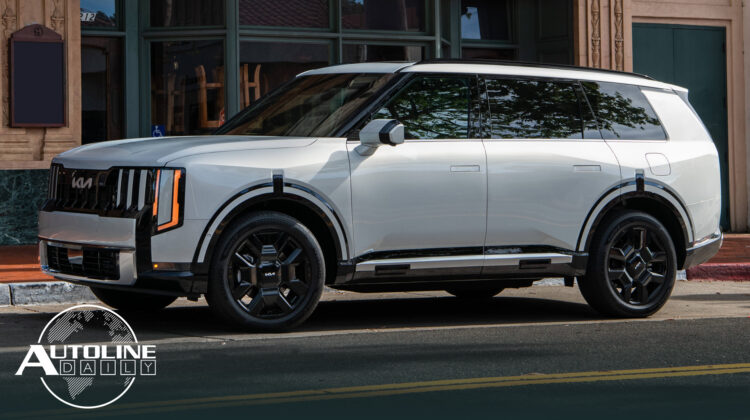
5:18 Kia Sets Sales Record Thanks to Hybrids
Visit our sponsors to thank them for their support of Autoline Daily: Bridgestone, CSP and Intrepid Control Systems.




This is Autoline Daily, the show dedicated to enthusiasts of the global automotive industry.
PEUGEOT INVESTS €1 BILLION IN FRANCE
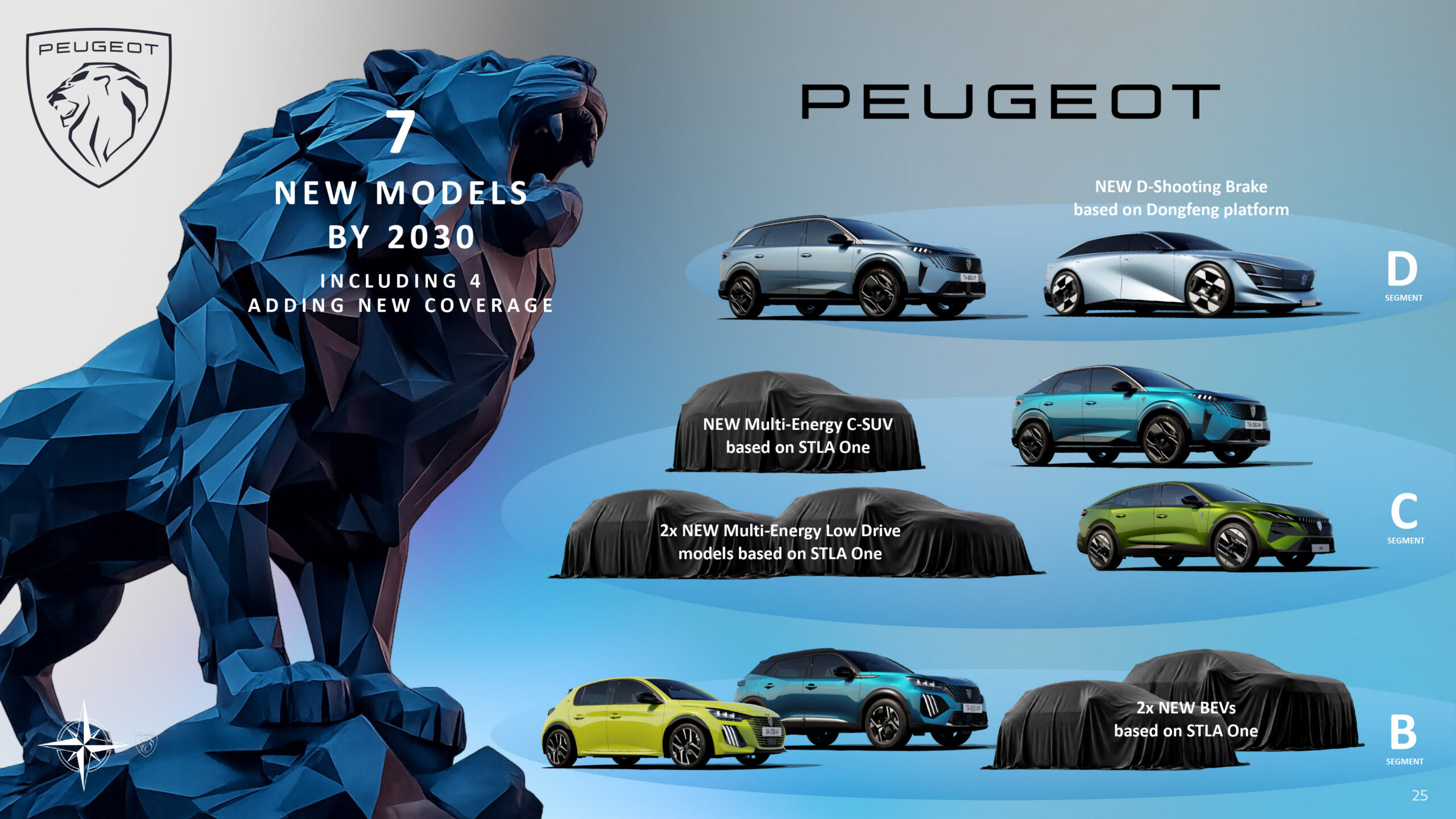
Stellantis says Peugeot will be the first brand to use its all-new platform, called STLA One. Peugeot’s going to get three C-segment models that will come with hybrid powertrains or as pure battery electrics. And all three will be built at the Mulhouse plant in France, so the company is committing over 1 billion euros to make changes for the new models. We know one will be an SUV, but it only refers to the other two as ‘Low Drive models.’ Thanks to STLA One they’ll feature Stellantis’ new smart cockpit and software technology. The brand will also get two more B-segment models based on the same platform, which is designed to eventually support over 30 models throughout the entire Stellantis lineup and grow to more than 2 million units by 2035. Production of the first Peugeot models in France starts in 2029.
FOXCONN TAKES ORDERS FOR 2ND EV
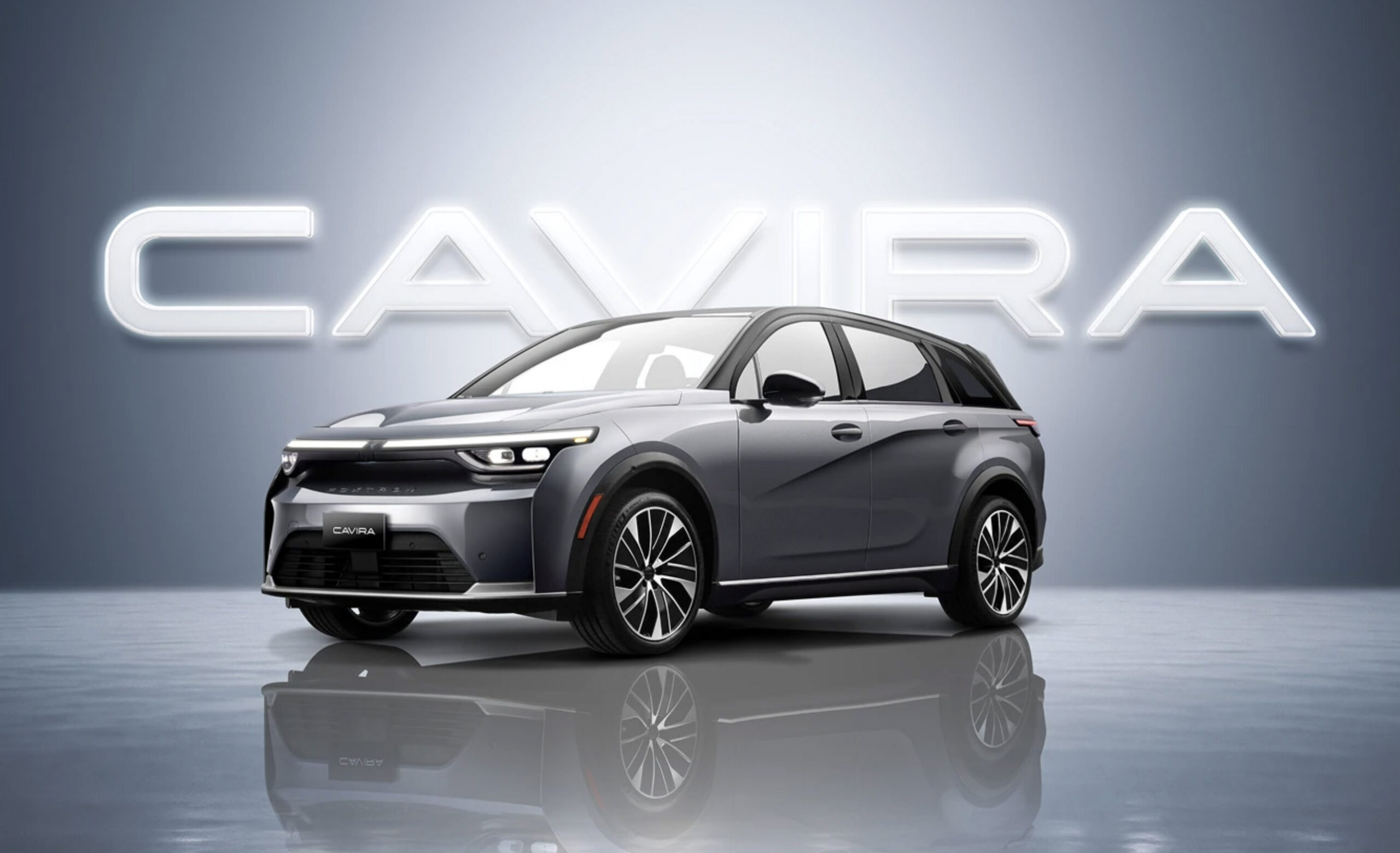
Foxtron, the EV subsidiary of Foxconn, is now taking pre-orders in Taiwan for its second EV, called the Cavira. With a starting price of about $40,000, the vehicle is roughly the same size as a Tesla Model Y and features a nearly 83 kWh battery pack. There’s two drive variants; a rear-drive that makes almost 250 horsepower and an AWD setup that makes about 470 horsepower. Foxtron’s other model, the Bria, is smaller and already on sale in Taiwan with a starting price of about $30,000. Mitsubishi will get a rebadged version of this model, which it plans to sell in Australia and New Zealand.
BENTLEY REVEALS NEW FLYING SPUR
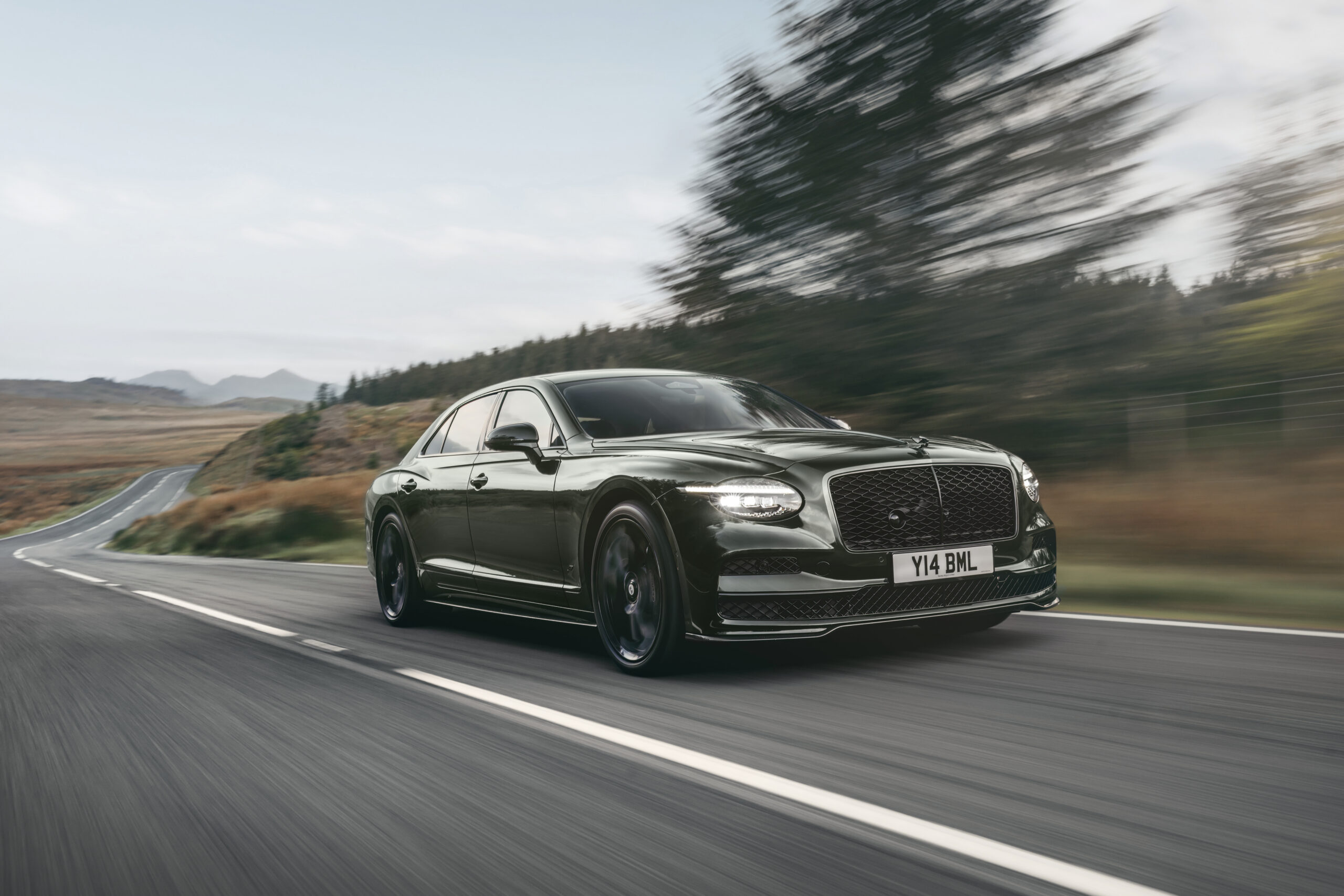
Last year Bentley introduced its new V8 hybrid platform with the Continental, now the same upgrades, including the styling, are making their way over to what is basically the sedan version of that car, the Flying Spur. The hybrid setup makes roughly 675 horsepower, sending power to all four wheels and moving the sedan from 0-60 MPH in 3.6 seconds. Bentley says the new Flying Spur will reach most markets by the fourth quarter of this year.
MG ANNOUNCES 1ST EU PLANT
While MG can trace its roots back to the U.K. to 1924, China’s SAIC took over ownership in 2007, and under that new leadership, MG just announced it will build its first European manufacturing facility. It’s investing about 200 million euros for a new plant in Spain, which will also house an R&D center. Cars are expected to start rolling down the line in 2028 with an annual capacity of 120,000 units. Thanks to its long heritage, MG’s sales in Europe have outperformed other Chinese automakers. But it still faces a 45.3% tariff on the EVs that it ships to the region, which is the highest of any automaker. So, the new plant could have a big impact on profits.
TESLA FACES FSD LAWSUIT IN CHINA
Last week, Tesla changed the name of Supervised FSD or Full-Self Driving in China. It’s now called Tesla Assisted Driving, which was done to satisfy regulators who thought the old name implied it’s a fully autonomous system, which it’s not. But Tesla could still be penalized over the feature. It faces a consumer lawsuit in China from 10 owners who claim its advertising of the feature and name was misleading. The plaintiffs argue that the assisted driving feature hasn’t been approved by Chinese regulators and can’t deliver its advertised functions, so they’re seeking $583,000 in damages. Tesla disputes those claims, saying some FSD features are partially or fully-functional, while others are still under development.

TESLA’S CHINA-MADE DELIVERIES UP AGAIN
And speaking of Tesla and China, it delivered nearly 86,000 Model Ys and 3s built at its Shanghai plant in May, up 8% from April and up almost 40% compared to a year ago. That number includes sales in China and vehicles exported to other markets. It’s the sixth straight month Tesla has increased China-made EV sales. We’re still waiting for the retail numbers. But Tesla’s in China sales decreased the previous two months.
TESLA SHOWS SIGNS OF EUROPEAN RECOVERY
However, it is showing signs of recovery in Europe, posting several big gains in key markets. Tesla’s registrations in France skyrocketed 655% last month, they soared 349% in Portugal, 136% in Denmark and 113% in Spain. But not all countries in Europe have released sales figures for May yet.
KIA SETS SALES RECORD THANKS TO HYBRIDS
And speaking of sales, Hyundai and Kia had a strong month in the U.S. in May. After both brands posted declines in March and April, Hyundai boosted sales 3.5% to more than 87,000 vehicles, while Kia sold 80,500 vehicles, up about 2% and setting a monthly record. Both brands saw a surge in hybrid sales last month, Hyundai’s were up 90% while Kia’s soared 179%. And despite no more federal tax credit for electrics, Hyundai posted a 10% increase in EV sales last month. More companies will release sales figures today, so we’ll get a clearer picture of the U.S. market. But May sales are expected to increase for the first time this year, with deliveries up 0.1 to 1.9% based on forecasts from JD Power-GlobalData and Cox Automotive.
But that brings us to the end of today’s show. Thanks for making Autoline a part of your day.
Thanks to our partner for embedding Autoline Daily on its website: WardsAuto.com





Who would have thought that China would have better influence over deceptive advertising than the U.S.? Maybe Carter’s Little Liver Pills will be back. OK, I may be the only one here old enough to remember those ads.
No Kit I remember those ads too. Things change so fast and so many new things
And things wearing out quickly. I can’t keep up maybe I need some of those liver pills
I don’t see damages to the Chinese who bought Tesla under false pretenses; what should be done to those that thought they were ‘swindled’ would be an offer from Tesla for a buyback of said vehicle. If I were China, I certainly wouldn’t make the precedent of questionable lawsuits that would mimic ‘our’, U.S. sue-happy situation. I would think full self-driving and ‘autonomous’ would be different enough meanings, especially if Tesla is forthright in its description of what they mean by full self-driving in the owner’s manual.
I remember Carter’s Little Liver pills; them things would cure just about anything.
I know this wasn’t discussed in today’s report, but wanted to pick up on something that was introduced in the comments yesterday. Yesterday, the report from ALD, was that the US is negotiating with Canada and Mexico independently regarding content for U. S vehicles. It just seemed that there was a lot of interest put into what is an American made vehicle, based on the percentages of individual materials coming from suppliers and automakers and their subsidiaries in other countries. I was reminded at that time that Apple is an American company with nearly all of its products built or assembled overseas and if the intent was to encourage more assembly here in the US, how come nothing from the administration is “encouraging” them to build some type of facility here in this country? The argument has always been that they couldn’t build their phones and computers here in the US, because it would cost too much, yet this is one of the richest companies in the world, which sells some of the most expensive product when compared to competitors! The question of trade balance or tariffs to sell their product, has never even been suggested regarding their products, I guess because Apply is a tech company?!
I say all that, to say this: let’s say an upstart OM automotive OEM, let’s say the upstart Slate for the sake of arguments, was to build their low cost EV, for their advertise asking price of $25-30K. Yet, to make that work, this upstart American company would have to sell build their products in China! Why, you ask??? Because it would cost them be too expensive to build their vehicle here in the US for that low rock bottom price, because it would cost too much money here in the US! Here is the question: How likely could Slate get around the tariffs and trade imbalance the US has with China like Apple, by calling their American company a tech company like so many upstart EV companies are leaning toward today? If Apple can get away with it, why couldn’t Slate?
Maybe people in China should get part of their 50,000 yuan back, or whatever they paid for their FSD subscription, especially if they were led to believe that the system was, uh, full self driving.
It seems to me that Tesla has been given a lot of slack on things over the years. It seems unlikely that GM would have gotten by the Federal Trade Commission (does that still exist?) if they had used the trade name “Full Self Driving” for what they call “Super Cruise.” Similarly, I doubt if Ford could have gotten by calling “Blue Cruise” full self driving.