




Follow us on social media:



Runtime: 11:00
0:00 650 New Models Already Hit China This Year
1:16 China Could Restrict Rare Earth Exports
2:12 Investors Bet Against Manufacturing Stocks
2:40 Hyundai Wants Full Ownership of Boston Dynamics
3:06 Mercedes & Hyundai Dealers to Sell Humanoids
4:37 Honda Adds Google Gemini
5:21 Bigger Lexus ES Replacing Flagship LS
6:38 Rivian Reduces Complexity with New R2
8:30 Geely Drive Unit Has Best Efficiency
Visit our sponsors to thank them for their support of Autoline Daily: AlixPartners, CSP and Intrepid Control Systems.




This is Autoline Daily, the show dedicated to enthusiasts of the global automotive industry.
650 NEW MODELS HIT CHINA THIS YEAR
Sales of new cars are down sharply in China, yet automakers are flooding the market with new models. And the situation is totally out of control. In the first 6 months of this year, automakers introduced 650 new or refreshed models, which translates into 4 launches every day, according to a Chinese automotive content platform called Dongchedi. Even if you only count the all-new models, not the refreshed ones, they’re hitting the showrooms at the rate of one a day. A BYD executive complained that they can’t keep the buzz up about a new car for more than three months because then it goes cold. Here’s our Autoline Insight. This is a key reason why most Chinese automakers and their dealers are not making money. And it shows why Chinese authorities have warned the industry of what it calls involution, or a hollowing out of the industry. Right now, massive amounts of exports are propping the industry up. But if anything happens to slow down those exports, the Chinese auto industry will have a full blown crisis on its hands.
CHINA COULD RESTRICT RARE EARTH EXPORTS
Last year, China started limiting exports of rare earths but after a global blowback, it agreed to delay those restrictions for a year. Well we’re almost a year out from that, and if China implements its full restrictions, it could have a massive impact on the auto industry according to the International Energy Agency. The IEA says that if the full controls go into effect, it will disrupt $6.5 trillion of production in the automotive, high-tech, defense and energy industries outside of China. And half of that would impact the U.S. and Europe. The IEA also warned that China’s planned restrictions on graphite exports will impact $300 billion of production outside of China. That would be another blow to the auto industry because graphite is a key material used in EV batteries.

INVESTORS BET AGAINST MANUFACTURING STOCKS
Meanwhile, short investors smell blood. Thanks to production disruptions from the war in Iran, and potential disruptions from China’s rare earth and graphite restrictions, hedge funds are shorting stocks that have anything to do with manufacturing. According to data from Hazeltree, hedge funds bet against more manufacturing stocks than any other sector in June and it was three times higher than in May.
HYUNDAI WANTS FULL OWNERSHIP OF BOSTON DYNAMICS
Humanoid robots are one of the hottest investment areas these days and Hyundai says it’s going to take full ownership of Boston Dynamics. The Japanese investment firm Softbank still owns about 10% of the robotics company, but Hyundai wants it all. We find the timing of this is interesting because at the same time, Hyundai workers in South Korea are on strike over concerns of losing jobs to robotics.

HYUNDAI & MERCEDES DEALERS TO SELL HUMANOIDS
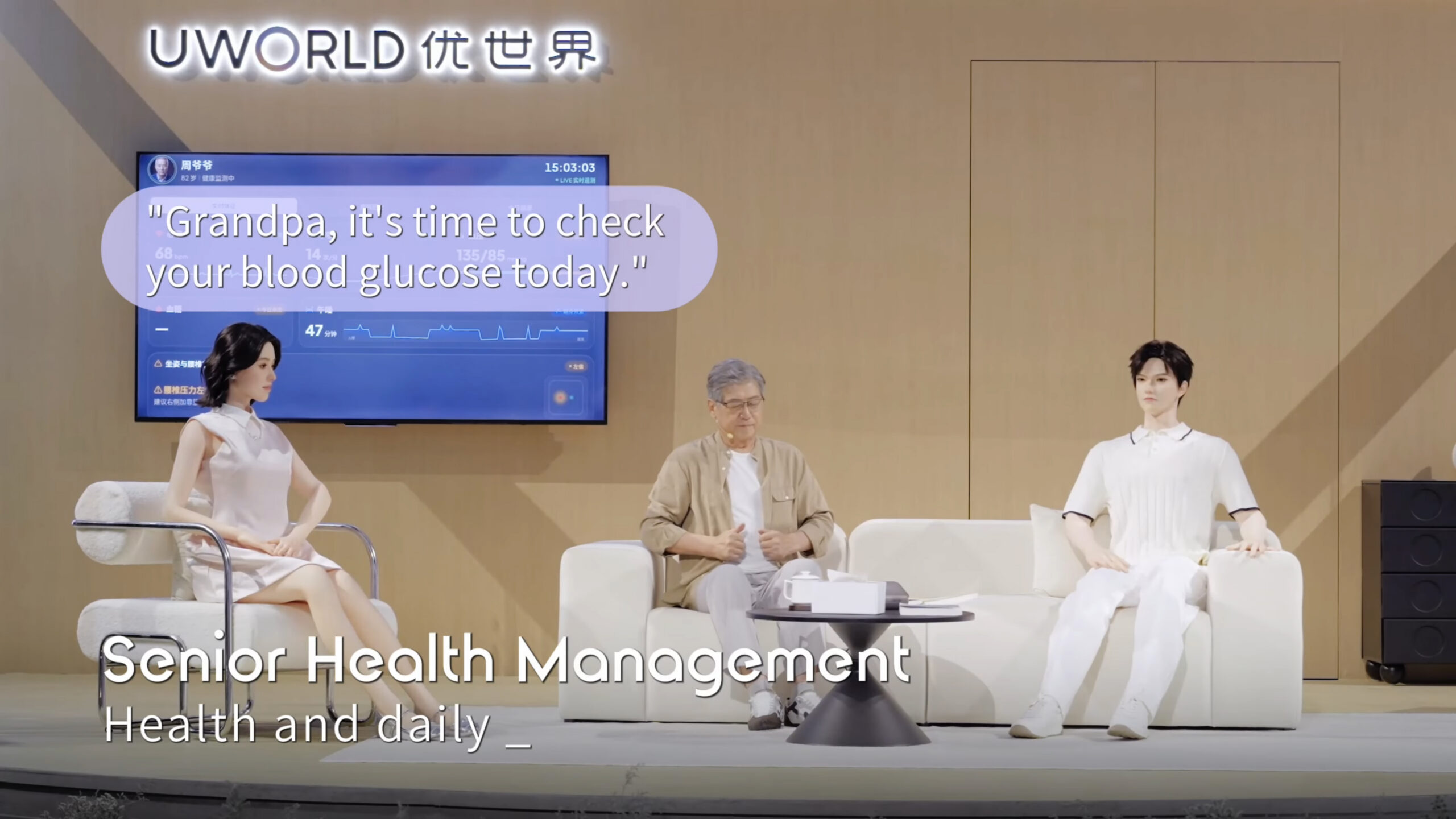
In related news, Boshi, an auto dealer group in China, formed a partnership with robotics company Ubtech and it’s going to start selling humanoid robots at its Hyundai and Mercedes dealerships. These are not robots for manufacturing, they’re for house cleaning, elderly care, and even emotional support. But who ever thought we’d live to see the day when car dealers sold humanoids? Even so, it’s actually a pretty smart idea. There’s a rule of thumb in the industry that for every four people who walk into a dealership, one will end up buying a new car. And with Hyundai and Mercedes watching their sales plummet in China, this might be one of the best sales gimmicks of all time to generate more showroom traffic.
HONDA ADDS GOOGLE GEMINI
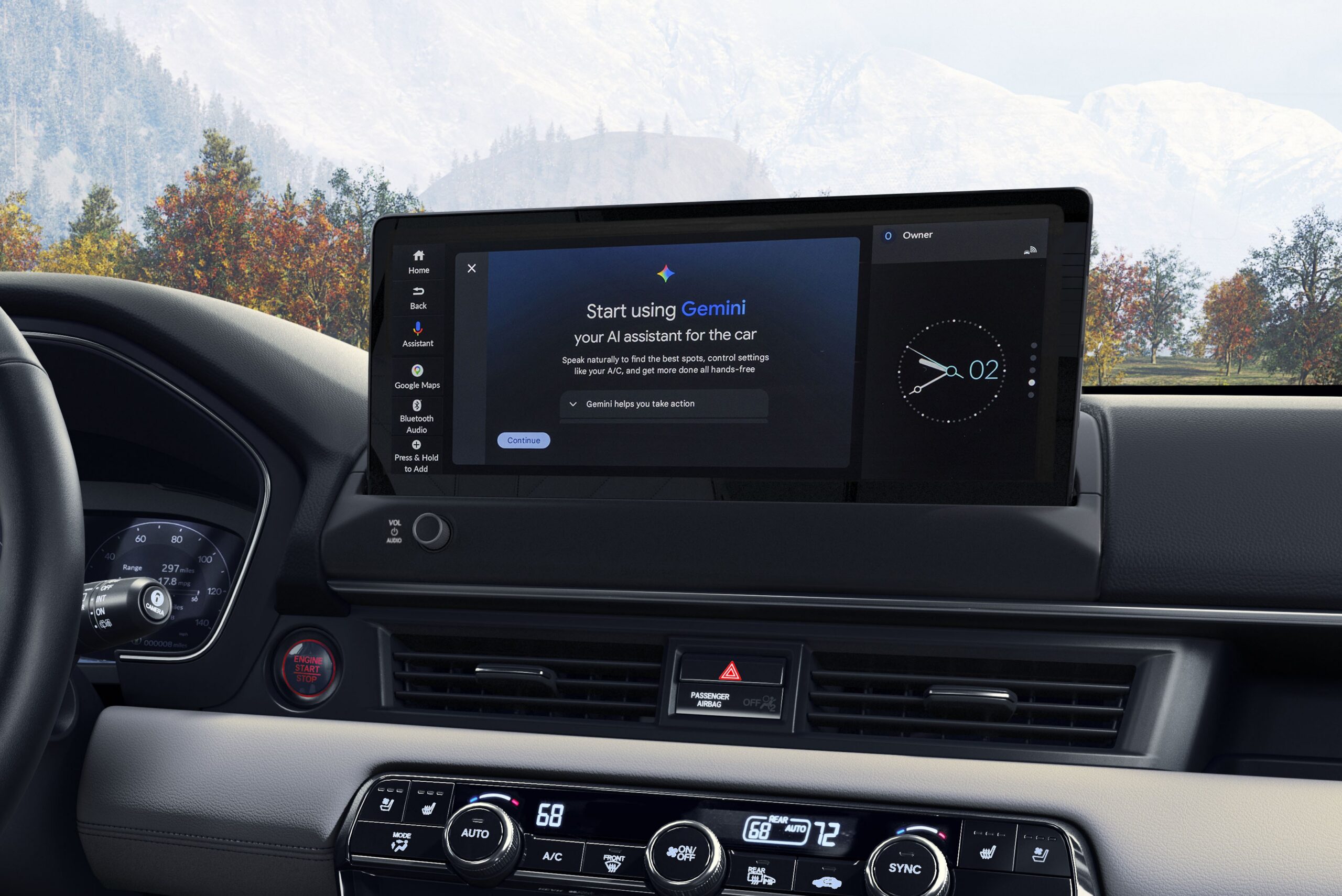
Automakers love the idea of putting generative AI in their cars, and Honda is the latest. It’s adding Google Gemini to select Civic, Accord, Prelude, CR-V, Passport and Pilot models. The Gemini voice-assistant is meant to be more conversational, not relying on exact commands and improving over time.
Speaking of Honda, we have Lance Woelfer, the vice president of sales for Honda America, coming on Autoline After Hours this afternoon. We’ll learn a lot more about this AI effort and other things that Honda is doing to boost sales. Stephanie Brinley from S&P Global Mobility will also be on the show, so join John and Gary when it all goes live at 3 pm eastern time.
BIGGER LEXUS ES REPLACING FLAGSHIP LS
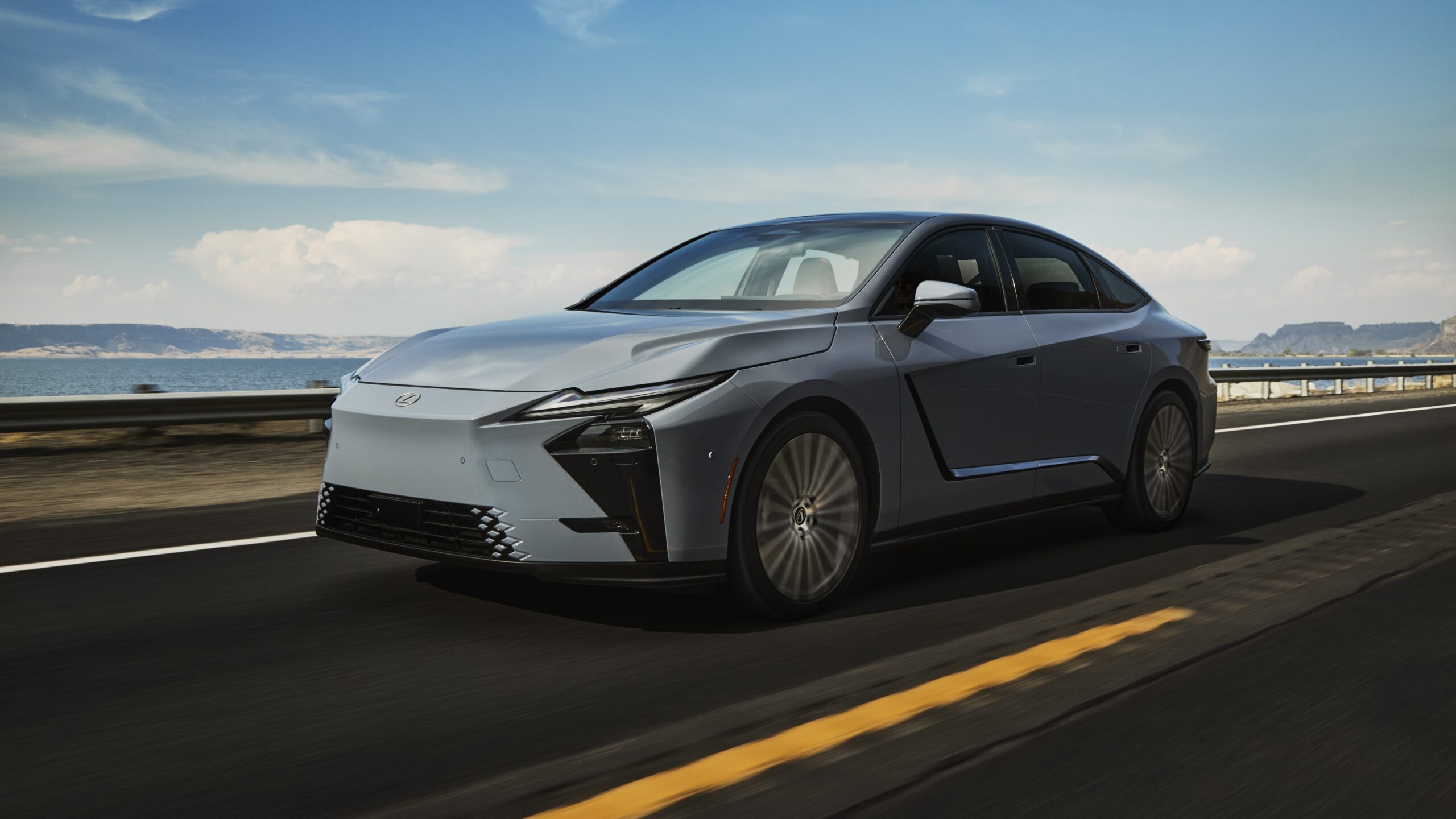
Toyota launched Lexus in 1989 with the LS, and for 36 years it was the brand’s flagship model. But sales started slumping a decade ago and last year Lexus sold barely 1,000 of them in the U.S. market. So Lexus is axing the LS and is coming out with a bigger, all-new version of the ES that is awfully close in size to the LS. It’s 6.5 inches longer, 2.2” wider and 4.5” taller than the old ES, and is actually taller and wider than the outgoing LS. The new ES is offered as a BEV or hybrid, and at just under $48,000, the base BEV is actually priced slightly lower than the base hybrid. A Lexus EV under fifty grand is a pretty aggressive price. Lexus started developing this car several years ago in the middle of EV mania. It originally thought the sales mix would go 80% BEV and 20% hybrid. Now, it’s switched that mix around. Back then, Lexus also thought it would be a good idea to make the new ES in Japan. But today that means Lexus has to eat the 15% import tariff for every one it sells in the U.S. market.
RIVIAN REDUCES COMPLEXITY WITH NEW R2
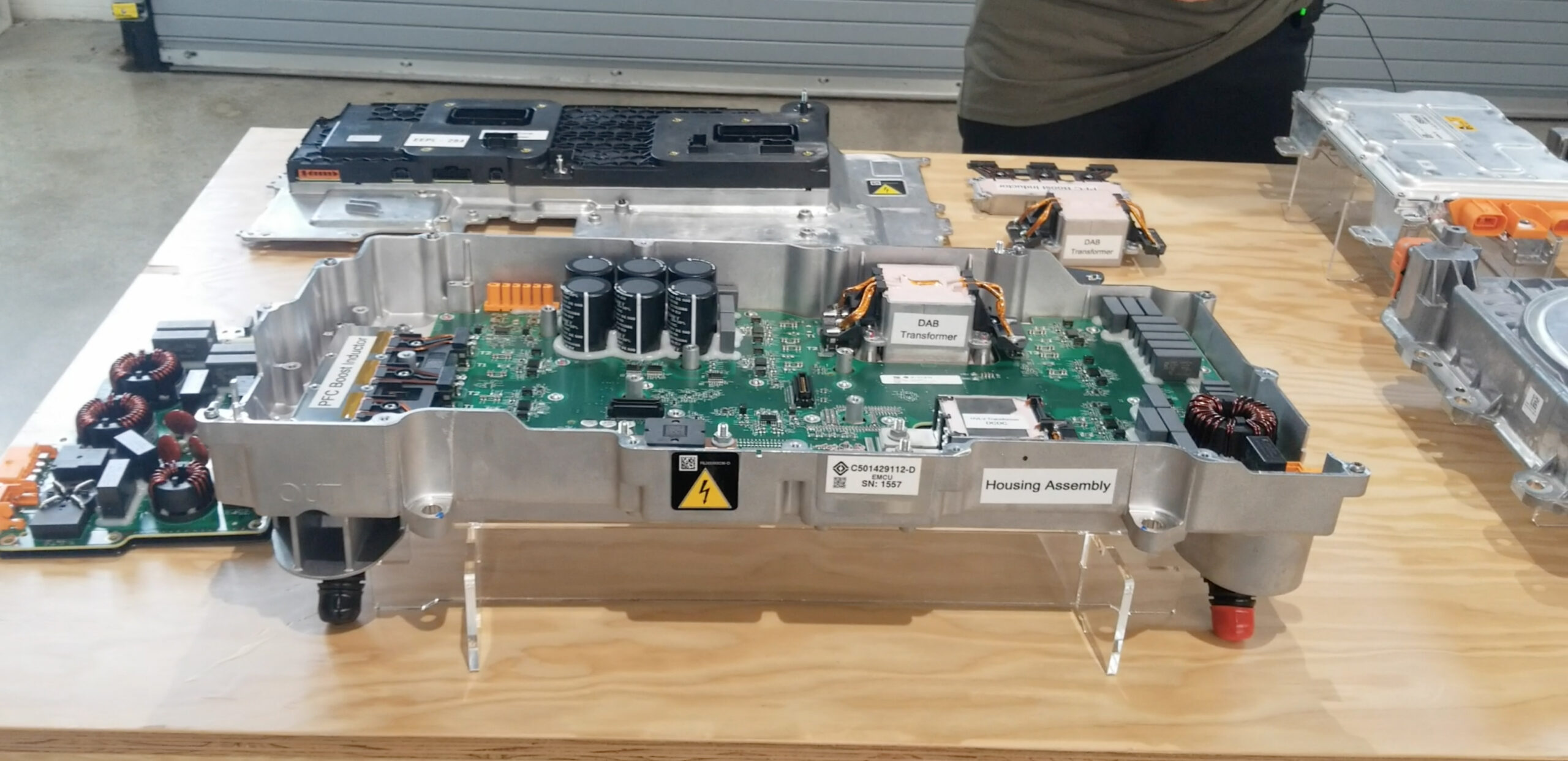
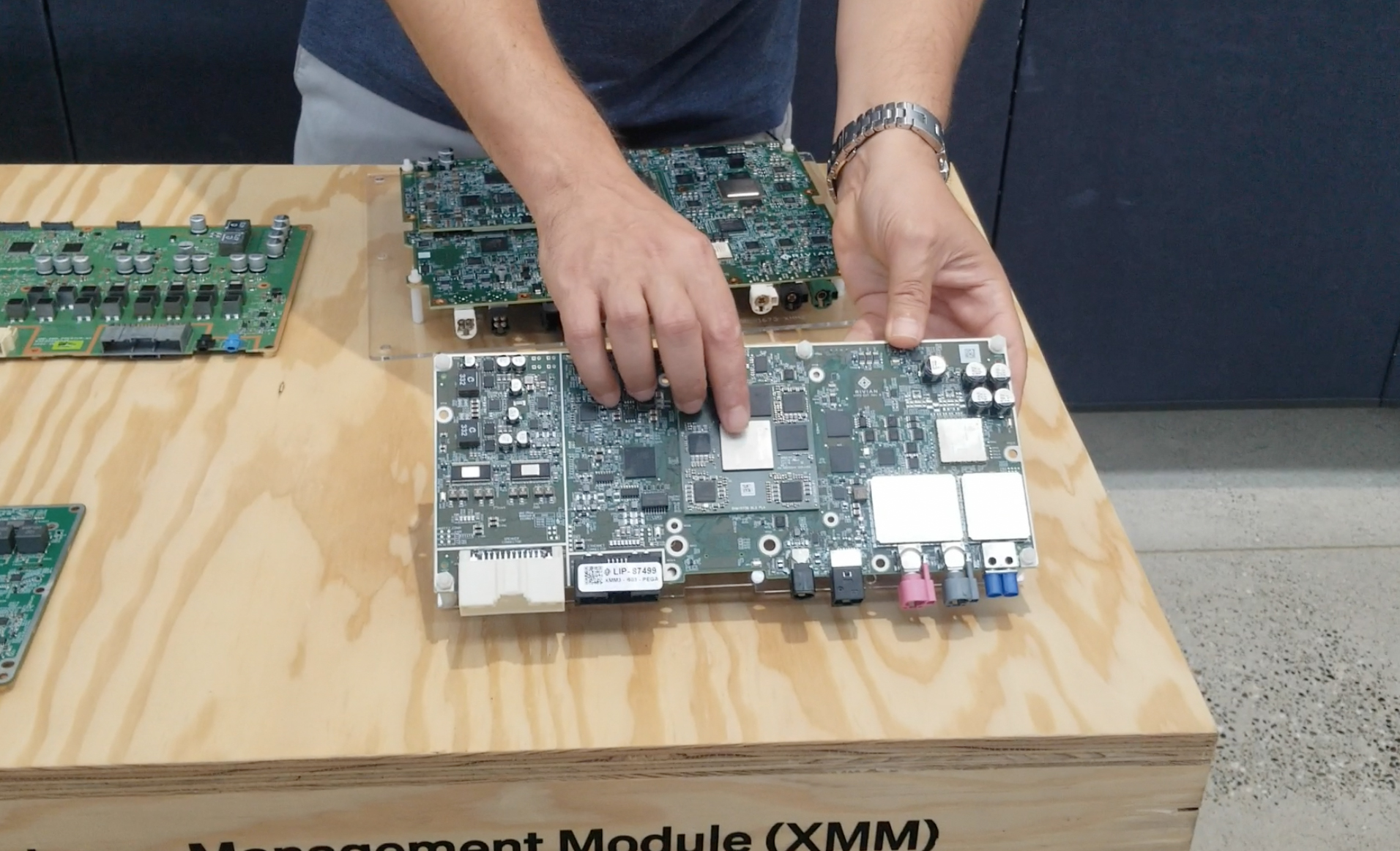
Yesterday Rivian invited us out to its development, prototyping and testing facility in Plymouth, Michigan for a deep-dive into the new R2 SUV. Two of the big things I took away were that Rivian is bringing a lot more in-house and it’s trying to reduce complexity wherever it can. The vehicle’s Energy Management Module is a good example of this, combining 5 units into 1. For the R1, the DC/DC converter, the on-board charger, the AC/DC converter, the battery management system and the low-voltage distribution box are all separate units and are all supplied by suppliers. But now that’s all done in-house and is packaged into a single unit that bolts to the battery pack. The company took a similar approach with the R2’s infotainment and connectivity controllers. The R1 uses 5 expensive high-power chips on multiple circuit boards to control safety, computer vision, audio, infotainment, connectivity and telematics. But those were consolidated to one even more powerful chip on a single circuit board. This reduces cost, which is important because infotainment is the 2nd most expensive electronic unit in the R2, right behind the ADAS unit. For the same reason, Rivian says it will also start making its own ADAS chips in-house. And it’s not just electronics. The all-new drive unit, called Maximus, has 240 less welds, 30% fewer fasteners, features integrated electronics, multiple areas of parts consolidation, a lower profile and a 40% increase in power density. While there’s even more we could go into, we’ll be posting a video soon that takes a much deeper dive into the new R2.
GEELY DRIVE UNIT HAS BEST EFFICIENCY
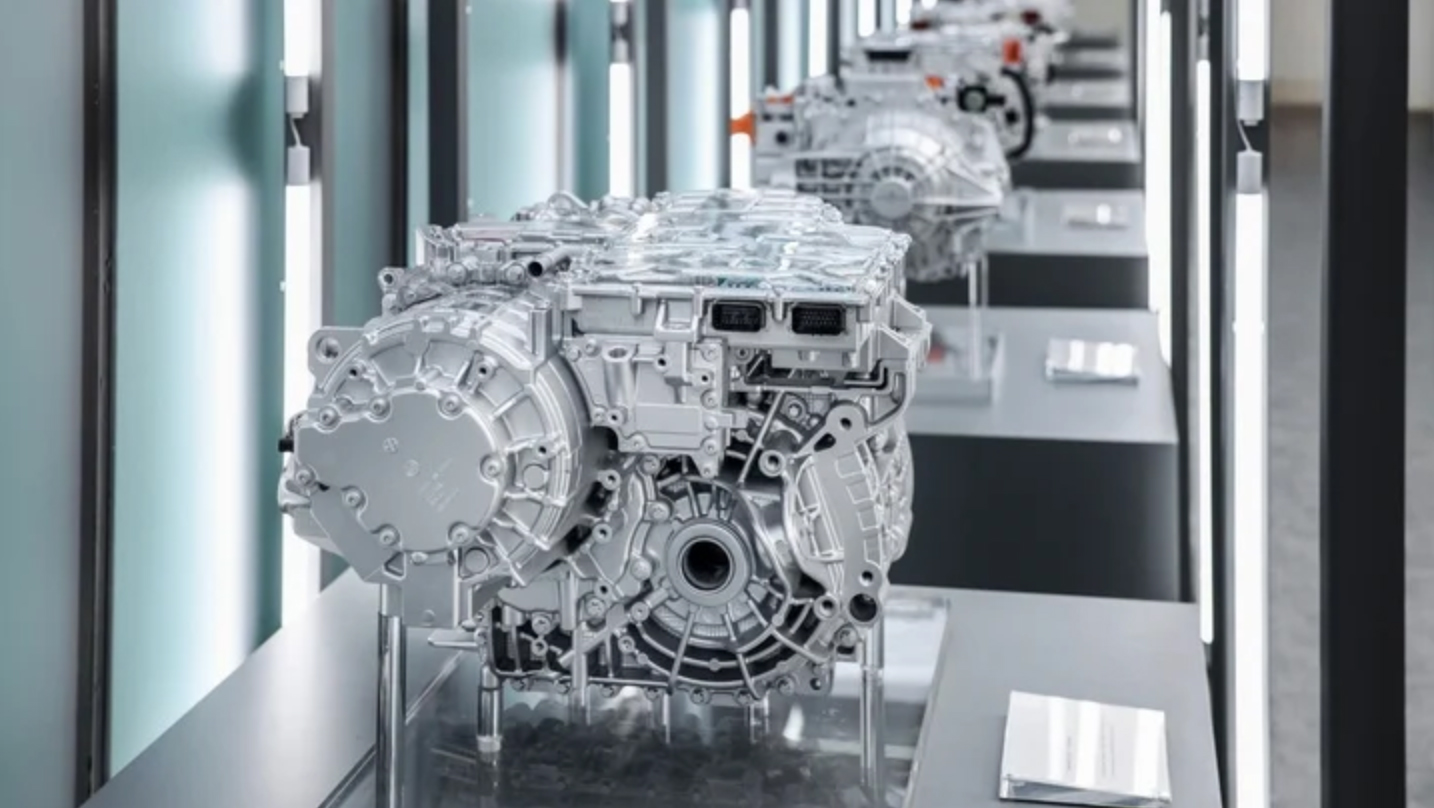
In related news, Geely is launching a new drive unit, called Thunder, that consolidates 16 functions, 12 hardware and 4 software, into a single package. The company claims a comprehensive efficiency of nearly 94%, which would be a record for a production vehicle. The setup is making its debut in the Geely Galaxy TT sedan and has a peak power output of 245 kW or nearly 330 horsepower.
But that’s a wrap for today’s show. Thanks for tuning in and I hope to see you later.
Thanks to our partner for embedding Autoline Daily on its website: WardsAuto.com







The Lexus LS has been a dead model walking since 2018 redesign. They could never keep pace with the German’s and quickly fell to Korea.
With between 90% to 96% of tariffs being paid by Americans, the 15% tariff on the new Lexus ES is not being paid by the Japanese.
I don’t know of another country that would be as docile as Americans with everything that’s being done to you. You deserve better but so does the rest of the world.
Albemarie, most OEMs know they cannot pass along the full tariff to their customers. Simple economics tells them that customers have choices. So, smart OEMs might pass along a little of the tariff… much less than 50% of it.
Drew, that may be people’s feeling but research tells a different story. The vast majority of the tariff is now being passed on. There was a lot of hesitation when the tariffs were first announced but companies need to stay in business and a year or so in, the effects are fully priced.
Ablemarle, maybe you can show some data on how the research tells a different story.
Albemarle, does the research include Toyota’s CY2025 operating loss in North America which is a direct result of U.S. tariffs? Would Toyota be doubling its truck plant in San Antonio if it weren’t paying massive tariffs for Tacomas built in Baja California?
Please provide sources as Gary requested.
Lexus launched with the LS, a better S-Class for about 2/3 the price. Then, sadly, about every subsequent generation was a downgrade, especially the most recent one. It’s sad that the LS will now be replaced by a bloated Toyota Crown near-clone.
The new Lexus EV is about as interesting to look at as the iron and ironing board it was designed and styled to look like! It is such a shame as the original LS, while styled similar to the S-Class, was a nice looking for the most part! While the brand’s attempt to establish its own look over the years has not had the success as some may have hoped, they’ve always been solid vehicles for the most part. With the RX models been the bread and butter of the brand, it does not seem that Lexus has any real interest in competing with the midsize sedans models from BMW, Mercedes or Audi. While I’m sure loyal Lexus customers will be satisfied with the new model, I couldn’t imagine that competitors are worried that any of their buyers jumping ship and running to their local Lexus dealer to get the new ES! So sad.